Researcher reverse-engineers Stuxnet source code causing nuclear damage
The Digital Worm That Shattered Physical Reality: Inside the Stuxnet Mystery
In the early 2010s, while the world was grappling with new threats, a piece of malware emerged that didn’t just steal data—it caused physical destruction. This was the story of Stuxnet, a digital worm that made abstract code manifest as tangible, real-world damage, challenging the very definition of cyber warfare.
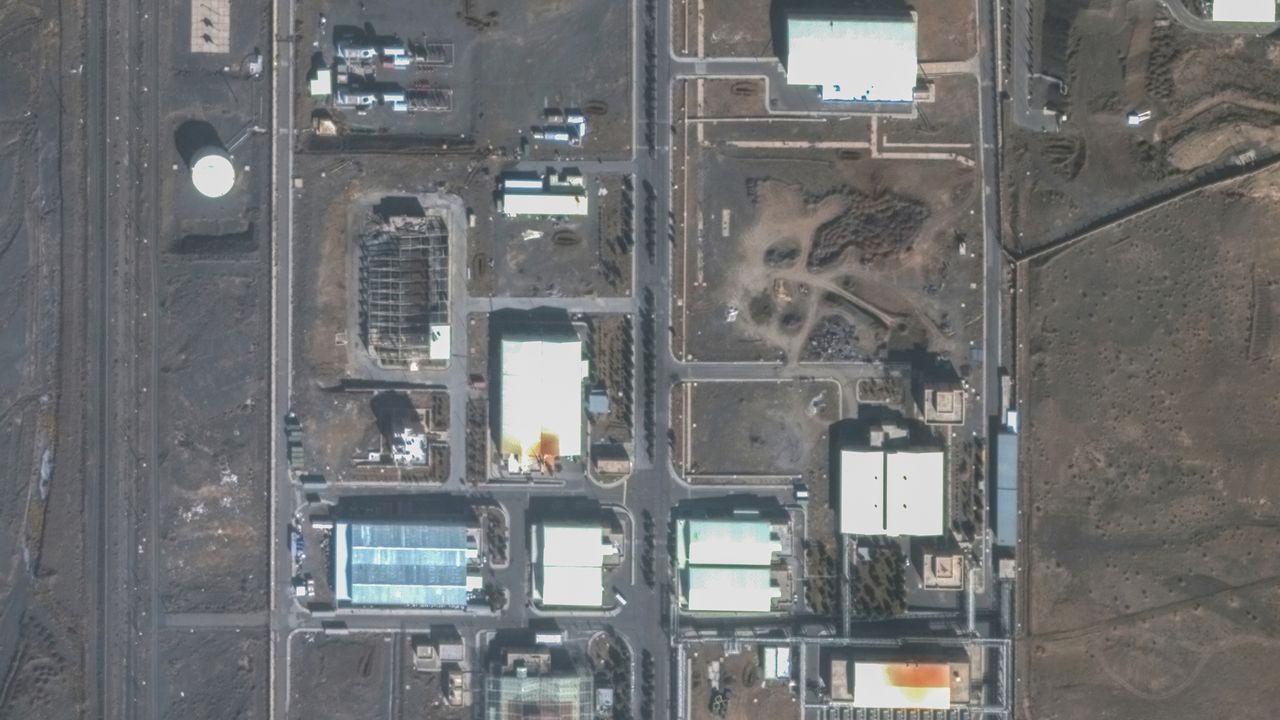
Stuxnet is often cited as the first digital worm capable of inflicting physical damage in meatspace. Its mission was aimed squarely at the heart of Iran’s nuclear ambitions, targeting the industrial controllers used in the nation’s Natanz nuclear enrichment plant. The sophistication of the attack demonstrated a frightening new frontier: the ability of malicious code to manipulate critical infrastructure.
The worm’s ultimate goal was precise and chilling. It sought out Siemens industrial controllers that managed the frequency converters in the industrial centrifuges—the very machinery driving the nuclear program. Stuxnet’s payload subtly manipulated these converters, causing the rotors to damage themselves while simultaneously reporting normal operations to plant staff. It was a masterclass in stealth, making the physical damage invisible to those operating the facility.
How did this digital attack breach the physical world? The infection spread through a complex, multi-layered strategy. Initially, Stuxnet used easily accessible vectors, spreading via infected USB sticks containing Windows shortcuts and autorun files. Once inside a system, it leveraged zero-day vulnerabilities, such as a flaw in the Windows Print Spooler service, allowing it to move laterally across the network by writing system files into any machine sharing a printer.
To ensure its invisibility, Stuxnet employed advanced evasion techniques. It used stolen digital certificates, acquired from companies like Realtek and JMicron, to evade standard Windows driver signature checks. Furthermore, the worm infiltrated the core of the target systems by injecting itself into Siemens software databases and embedding its malicious code directly into engineering project files. This made the infection vector highly effective, spreading silently among engineers who shared files but were unaware they were unwittingly propagating a virus.
The operation was part of a larger geopolitical effort known as Operation Olympic Games, an alleged coordinated initiative between the United States and Israel aimed at curtailing Iran’s nuclear progress. The goal was to dissuade Iran from developing nuclear weapons, and the Stuxnet attack was purportedly a successful component of this larger effort, reportedly damaging about 10% of Natanz’s centrifuges.
But even this sophisticated attack had a critical flaw. The worm, in its pursuit of physical sabotage, had failed to account for its environment. When engineers took their infected laptops home and connected them to the internet, Stuxnet unexpectedly escaped the local network. This unexpected exposure prompted a global wave of investigation, leading security researchers worldwide to question how such a specialized piece of malware could transition into a global threat.
Fortunately, the malicious code contained a built-in failsafe. Stuxnet was equipped with a hard-coded self-destruct date set for June 24, 2012, ensuring that even if the initial infection succeeded, the threat would ultimately vanish.
Credit
