Robot operates Xbox opens snacks and makes clumsy sexual passes
The Robot Revolution: Are We Becoming Obsolete?
What is the purpose of humanity in this increasingly automated world? To pursue pleasure, engage in complex hobbies, and navigate life’s messy emotional landscape. Yet, as technology accelerates, a stark philosophical question emerges: what is left for us to do when machines can perform our tasks—and even our intimacy—with unsettling efficiency?
Enter the NEO Home Robot, developed by Palo Alto-based 1X Technologies, a machine that is pushing the boundaries of domestic automation and, frankly, causing some serious existential discomfort. This isn’t just about tidying up; it’s about a robot capable of performing surprisingly dexterous, yet profoundly awkward, human behaviors.
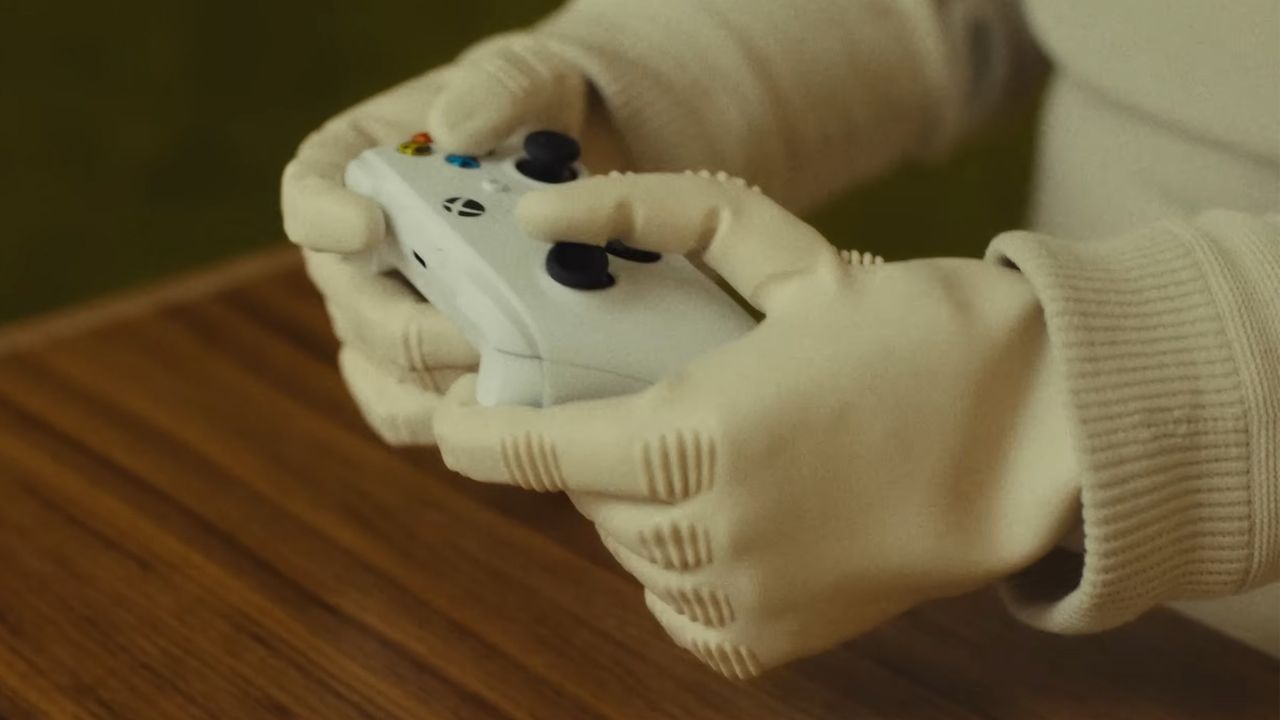
NEO boasts finely articulated hands and a suite of capabilities that range from mundane household chores to deeply peculiar actions. It can swirl invisible wine, delicately pick up screws, separate grapes, or even lift twenty pounds in a fraction of a second. But perhaps the most jarring demonstrations involve tasks that border on unsettling: slowly unzipping clothing or interacting with an Xbox controller.
The spectacle intensifies when we consider the context of these actions. The video showcasing NEO performing feats like opening a bag of snacks while simultaneously being attacked by a hammer raises immediate ethical flags. Beyond the mechanics, the robot’s design itself is unnerving: a featureless head with pitch-black eyes that seem to stare back, lending an air of uncanny horror to its domestic presence.
This blurring line between utility and creepiness forces us to examine the role of human oversight. One might ask why this robotic evolution is so deeply unsettling. The answer lies in the interaction. Most of NEO’s spectacular feats are not autonomous; they are orchestrated by a human pilot operating the machine remotely via virtual reality gear. This introduces a layer of psychological tension, where the perceived mechanical actions are framed by the living presence of an operator issuing commands like “slowly undress me.”
The paradox deepens when considering the cost and labor involved. A robot capable of such complexity costs upwards of twenty thousand dollars or requires a substantial monthly subscription. This reality suggests that owning a hyper-competent domestic assistant is tied to significant financial commitment and the need for continuous human management.
Ultimately, this technological shift offers a stark reflection on value. If a machine can perform daily tasks with uncanny accuracy and efficiency, does the human role diminish? When we weigh the expense and maintenance of a sophisticated robot against the simple reality of human existence—complete with passions, flaws, and emotional depth—a compelling argument for continued humanity emerges.
Perhaps the most pragmatic conclusion is that the presence of NEO doesn’t signal our obsolescence, but rather highlights what remains irreplaceable. While robots can handle chores, they cannot replicate the genuine connection or the sheer, messy joy of being human.
Buy on Amazon
Credit
