RPCS3 devs slam DLSS 5 as ‘AI-slop generator’
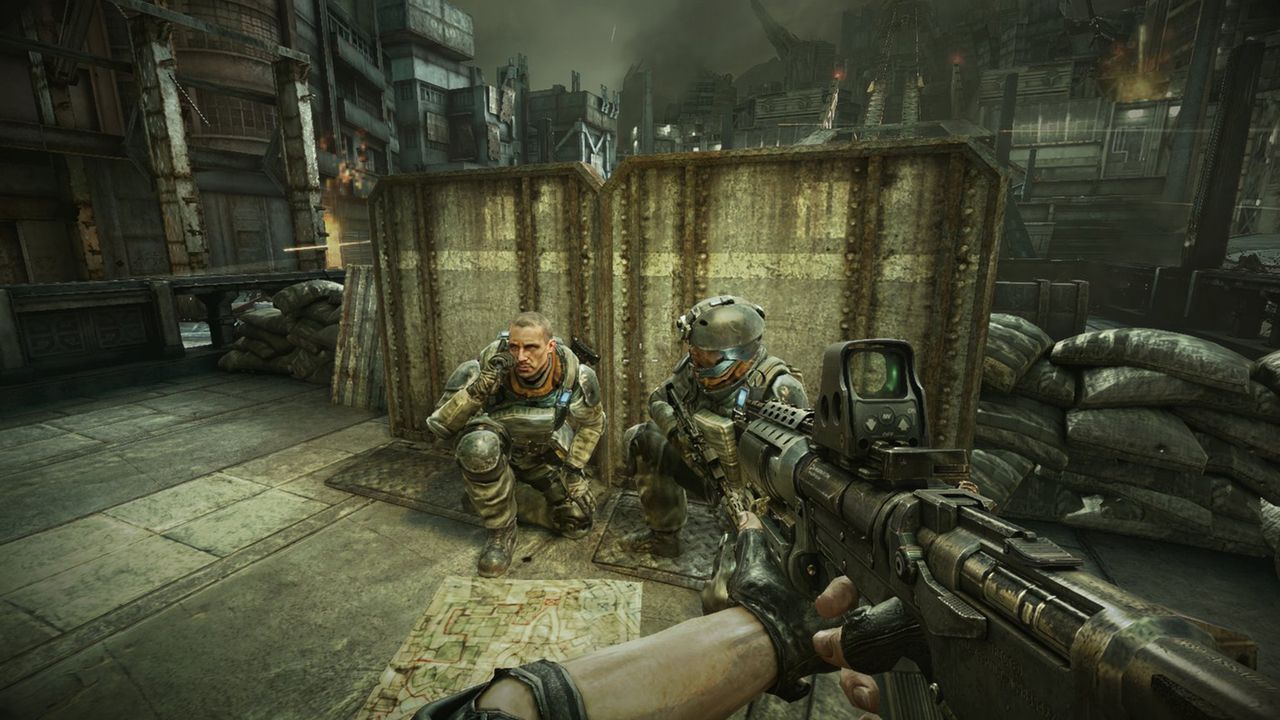
In the ongoing arms race for graphical supremacy, the world of gaming has once again witnessed a clash between cutting-edge AI technology and the practical realities of game development. Specifically, the rollout of Nvidia’s DLSS 5 is sparking controversy, with developers and modders alike questioning whether the latest upscaling technology is delivering genuine innovation or merely generating “AI-slop”.
The friction began as modders successfully ported the leaked DLSS 5 DLL to various games using the RPCS3 emulator. This action brought into sharp focus the debate: does frame generation genuinely enhance the experience, or does it simply mask underlying performance deficiencies? Some critics argued that technologies like DLSS and FSR frame generation should be seen as complementary tools that assist game-engine optimizations, rather than just a crutch to hide poor performance.
The developers of RPCS3, the open-source PlayStation 3 emulator, weighed in on the matter, suggesting that the industry often pushes upscalers to hide optimization gaps. Their response highlighted a deep technical hurdle: PS3-era games do not expose the motion-vector data necessary for modern temporal upscaling techniques. Consequently, RPCS3 currently relies on traditional spatial upscalers, such as FSR 1 and bilinear scaling, to reconstruct the visuals.
The developers emphasized that emulators do not simply aim to run on high-end hardware. They contend that achieving playable status is a different goal entirely, pointing out that replicating the necessary data for modern techniques is impractical, especially within low-level emulation.
On Nvidia’s side, DLSS 5 promises a shift toward movie-grade visual realism through 3D-guided neural rendering. The AI model is trained to deduce how complex elements—such as skin, hair, and environmental lighting—should appear in the real world, utilizing inputs from the game engine to create photorealistic lighting and visual fidelity.
Nvidia also introduced new controls, allowing artists to precisely dictate which visual effects are enhanced and how strongly they are applied. However, for the average player, the intent is kept simple: an on/off graphics option, leaving the complex decisions about visual effects to the game developers themselves.
Despite the promise of enhanced visuals, the practical reality for gamers is resource management. Because DLSS 5 is inherently resource-intensive, users should anticipate a noticeable drop in frame rates upon its initial release. Furthermore, Nvidia has established strict compatibility requirements, limiting DLSS 5 to RTX 50-series desktop and mobile GPUs, as well as GeForce Now.
Adding another layer of complexity, the circulation of a leaked DLL has created a workaround for some users. This leaked code has reportedly allowed modders to successfully port DLSS 5 functionality to older RTX 40-series graphics cards by patching incompatible CUDA instructions, effectively extending the reach of the technology beyond the newest hardware.
Buy on Amazon
Credit