
RTX 2080 Ti cards sell for $500 to AI memory modders
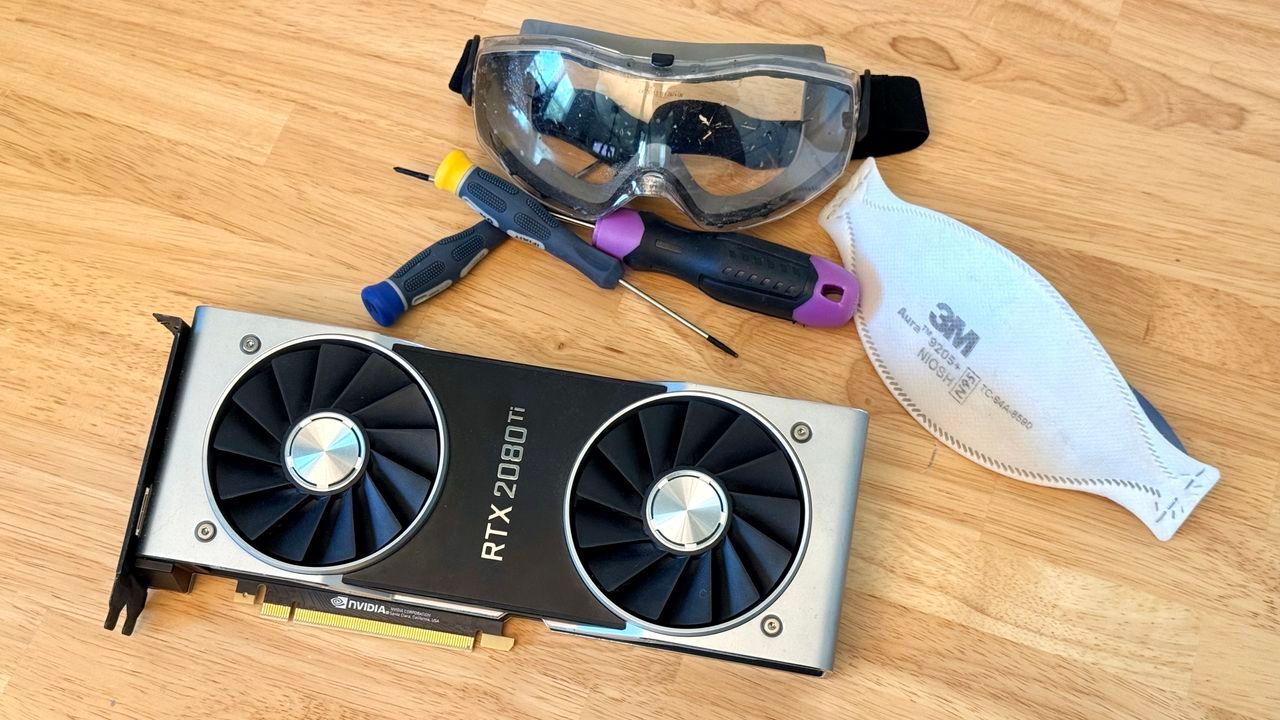
The relentless surge of artificial intelligence is currently fueling an insatiable hunger for computational power. As large language models and complex diffusion tasks demand more matrix math FLOPS, the hardware landscape faces a paradox: while new chips are constantly being released, older, powerful graphics cards continue to hold significant untapped potential.
This situation has given breathing room to GPUs like the Nvidia RTX 2080 Ti. Despite their age, these cards still possess the specialized Tensor Cores that have cemented Nvidia‘s dominance in the AI ecosystem. The key bottleneck for modern workloads is often memory—specifically Video RAM (VRAM)—and the potential to unlock more of it has become a compelling opportunity for enthusiasts and developers alike.
One innovative approach involves maximizing the utility of existing hardware through modification. For instance, an RTX 2080 Ti, initially equipped with only 11GB of VRAM, can be upgraded to offer 22GB of memory by physically adjusting components on the Printed Circuit Board (PCB). This process expands the card’s memory pool, making it significantly more useful for training and running larger LLMs and diffusion models.
This ingenuity opens up viable pathways for those who are hard up for compute but lack access to the latest, most expensive hardware. The market is already providing solutions; sellers on platforms like eBay offer pre-modified versions of these cards, including a 22GB RTX 2080 Ti, making large memory capacity more accessible.
While modifications are one path, the enduring value of Nvidia‘s Tensor Core architecture remains undeniable. Even when comparing against competitors who have introduced matrix math accelerators—such as AMD’s CDNA 1 or Intel’s Alchemist architectures—the ubiquity and maturity of the CUDA software ecosystem continue to set a high bar for AI development.
This persistent utility is further evidenced by the high prices commanding powerful cards years after their release. The local AI enthusiast favorite, the RTX 3090 with 24GB of faster GDDR6X memory, commands premium prices, demonstrating that specialized compute capacity still commands a high valuation in the market.
Ultimately, finding ways to maximize existing resources is a smart strategy. By leveraging older hardware and innovative modifications, users can transform what might otherwise be considered obsolete components into powerful tools capable of handling demanding AI workloads. It’s a testament to the enduring power of hardware ingenuity and the continuous evolution of the computing world.
Buy on Amazon
Credit