RTX 3060 returns! Palit launches new Infinity 2 OC
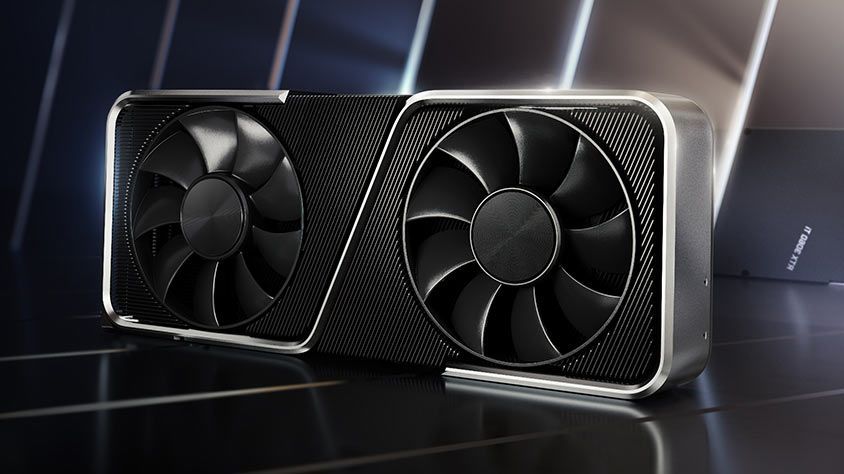
The Ghost in the Machine: Nvidia Revives Legacy Graphics Cards to Battle Component Scarcity
In a landscape dominated by the insatiable hunger of artificial intelligence, where memory and processing power are the new gold standard, the supply chain for high-end components has entered a turbulent phase. Amid this scarcity, a fascinating corporate strategy has emerged: the resurrection of legacy hardware. Nvidia is leaning into its history, relaunching older graphics cards to keep the gaming and professional markets supplied.
The centerpiece of this revival is the GeForce RTX 3060. Five years after its original launch, this popular card is seeing a staggered return to retail, driven by vendors like Gigabyte and Manli, who are quietly listing renewed variants across various global markets.
The official signal for this return came when Palit announced its RTX 3060 Infinity 2 OC, marking the first tangible indication of Ampere’s continued presence in the market. This move is a testament to a creative solution proposed by industry insiders, suggesting that reviving older silicon offered a pragmatic answer to the current pricing squeeze.
What exactly are consumers getting? The core specifications remain familiar. These renewed cards retain the original architecture of the RTX 3060: 3,584 CUDA cores paired with 12GB of GDDR6 VRAM, utilizing a 192-bit bus. For those seeking a performance boost, overclocked versions can achieve up to 1,792 MHz, though this is a modest increase over the base speeds mandated by Nvidia.
The focus here isn’t on bleeding-edge innovation; it’s about value and memory capacity. Despite being a legacy product, the 12GB of VRAM remains a significant selling point in an era where high-resolution textures and ray tracing demand substantial memory pools.
From a design perspective, these cards feature a straightforward aesthetic typical of budget GPUs—black and functional. While they don’t boast cutting-edge cooling gimmicks, vendors are focusing on stability and practical features, such as claims of low noise levels and protective backplates designed to ensure component longevity.
The underlying reason for this strategy is deeply rooted in semiconductor manufacturing economics. As the AI boom demanded massive memory capacity, manufacturers shifted focus toward expensive technologies like HBM (High Bandwidth Memory) for larger profit margins. Reintroducing older cards allows vendors to leverage better yields from older processes, such as Samsung’s 8nm, which proved more economical than some of the newer nodes being utilized by competitors.
While the RTX 3060 remains a solid value proposition, prospective buyers looking at new hardware must weigh this history against current options. Newer series, like the RTX 50-series, offer significant advancements in efficiency and performance features such as DLSS 4.5, though they often come with less VRAM capacity. Ultimately, while the resurrected 3060 provides a cost-effective entry point, consumers should evaluate whether legacy value outweighs the potential benefits of stepping into the current generation.
Buy on Amazon
Credit