RTX 40-series gets RTX 50 exclusive DLSS MFG via mod
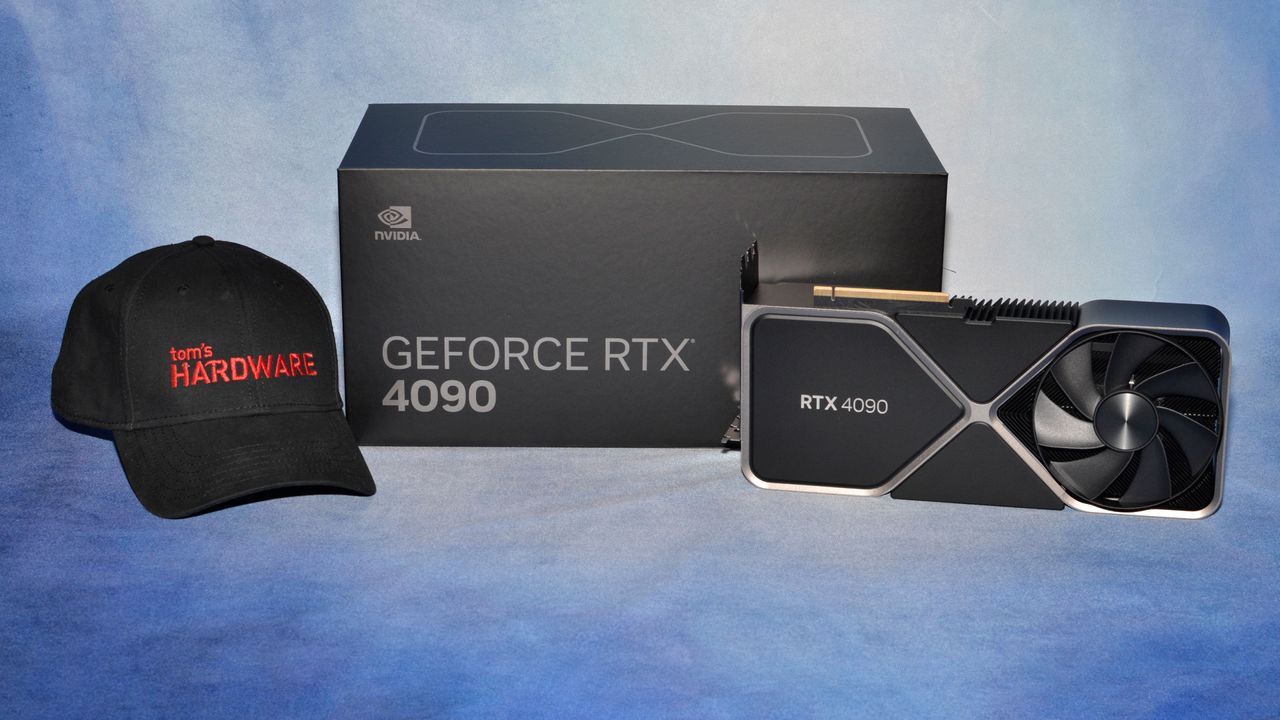
As hardware prices continue to climb and the next big GPU upgrade remains just out of reach for the average PC gamer, there’s a growing desire to stretch the life of existing components. Enter the world of PC modding, where enthusiasts are digging into the guts of their graphics cards to unlock hidden performance features. Recently, a fascinating experiment has taken place, exploring whether the powerful Multi Frame Generation (MFG) technology—a feature hyped for the upcoming RTX 50-series Blackwell cards—could be brought to the older RTX 40-series Ada Lovelace architecture.
A modder found a way to achieve this, bringing the crown jewel of frame generation to the RTX 40-series through community modification. The goal? To give current RTX 40-series hardware access to smoothness-boosting features typically reserved for the newest generation. To test this theory, the experiment was run in a demanding title like Cyberpunk 2077, a game with a vibrant modding community and demanding graphical requirements.
The results were compelling. By enabling MFG on Ada cards, testers confirmed that increasing the multipliers beyond the official 2X factor genuinely improved the perceived smoothness and fluidity of motion in the game. This demonstrated that the technology was functional, even on older hardware. However, this pursuit of visual perfection came with a caveat: adding more generated frames introduced visual artifacts or “junk” in certain areas of the screen, particularly at higher settings, which is an expected byproduct of pushing the rendering limits.
Beyond the visuals, the real technical deep dive focused on the often-overlooked aspect of gaming performance: input latency. With features like MFG offering control over output frame rates, the critical question becomes whether this process introduces lag. While frame rates themselves looked fine, the input latency became the crucial metric. Testing revealed that while most cards performed adequately, the latency behavior varied, pointing toward a nuanced performance landscape.
The core issue hinges on input lag. When you have arbitrary control over output frame rates, input lag can become the final barrier to a truly playable experience. While the RTX 40-series cards, even with the mod, generally handled the load, the performance gap between Ada and the upcoming Blackwell generation remained significant. This suggests that while the mod works beautifully for extending the lifespan of RTX 40-series hardware, the absolute lowest latency still seems to reside with the newest GPUs.
Ultimately, the experiment suggests that Multi Frame Generation is not strictly locked to Blackwell. The successful modding experience indicates that Nvidia may have an opening for official support on Ada Lovelace cards down the line. Whether this mod is a perfect solution remains in development, as the community is still exploring potential optimizations, but the experience offers a tantalizing prospect: extending the useful life of existing hardware while unlocking next-generation features. It’s a testament to the ingenuity of the modding community, proving that even in the realm of unofficial modifications, there are still incredible advancements to be made.
Buy on Amazon
Credit