RTX 5090 hits $5k Blackwell price hike
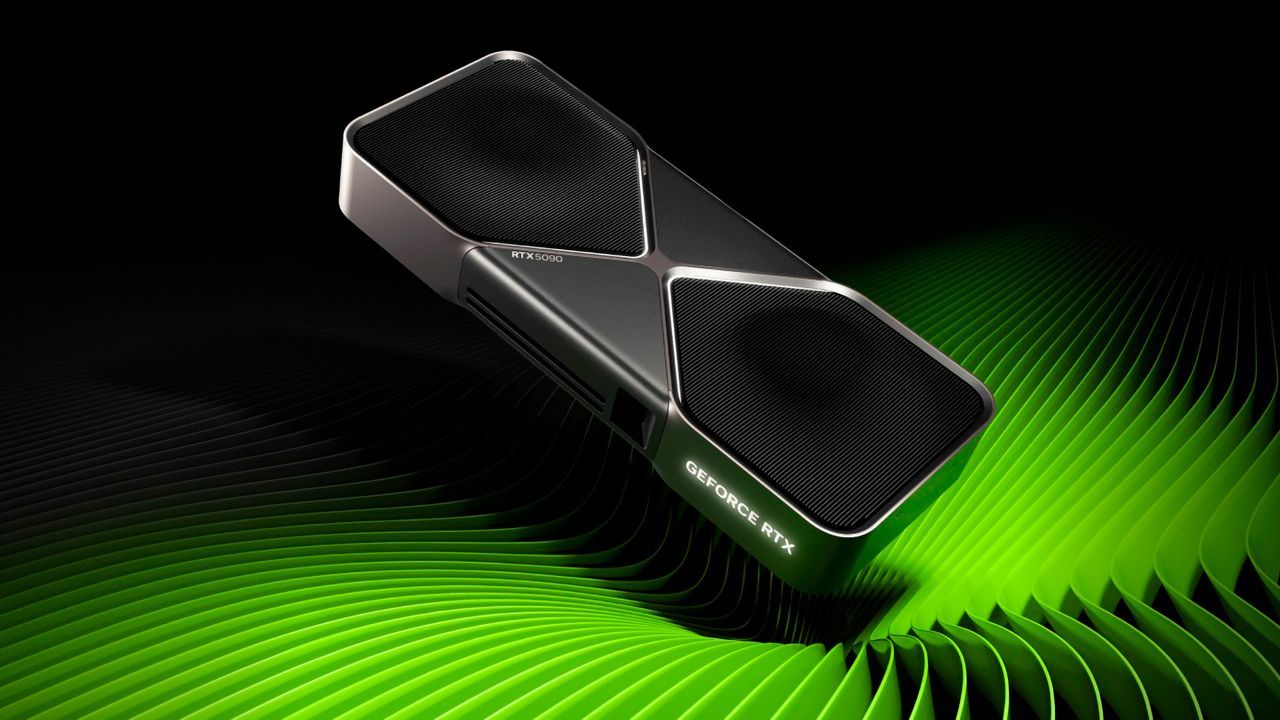
The world of high-end graphics cards is currently experiencing a wild, inflationary spiral, especially within Nvidia’s new RTX 50-series lineup. What started as an exciting technological announcement has rapidly devolved into a battleground defined by astronomical prices, forcing enthusiasts and builders to rethink their strategies for high-performance computing.
The headline figure is the RTX 5090, which was initially introduced for $1,999. Less than two years later, this flagship card now commands a staggering $5,000 in North America. That’s a massive 2.5x price jump in under twenty-four months, a trajectory that has unfortunately followed the rest of the RTX 50-series family.
The price pressure isn’t limited to the top-tier cards. Even sought-after variants have seen dramatic increases. For example, a highly desirable model like the ROG Astral 4X OC is now listed for $6,000, up from a launch price of $3,360, representing nearly a triple increase compared to the original guideline.
Across the board, the gap between the Manufacturer’s Suggested Retail Price (MSRP) and current market value is widening dramatically. Other powerful cards, including the RTX 5080, are already 55% more expensive than their original MSRP of $999, while the RTX 5060 Ti 16GB has seen a 77% hike over its launch price.
The situation is particularly acute for mid-to-high-range cards. The RTX 5060, for instance, and the RTX 5070 Ti are also seeing prices rise by about 50% compared to when they were first released. Even the entry-level RTX 5050 has experienced a 20% increase in cost, reflecting the broader market squeeze.
This wild fluctuation is symptomatic of a much larger supply chain crisis. GPU pricing is being squeezed by dwindling supplies of vital components, as these resources are being aggressively diverted to enterprise customers fueling massive AI buildouts. The entire market is experiencing a systemic crunch.
This general scarcity is not unique to GPUs. The broader market for other critical components, such as RAM, has soared by 500% in the last year. This overall price crunch is making the dream of DIY PC building increasingly challenging for everyday consumers.
Buy on Amazon
Credit
