RTX 5090 with 96GB VRAM found on Alibaba for under $4000
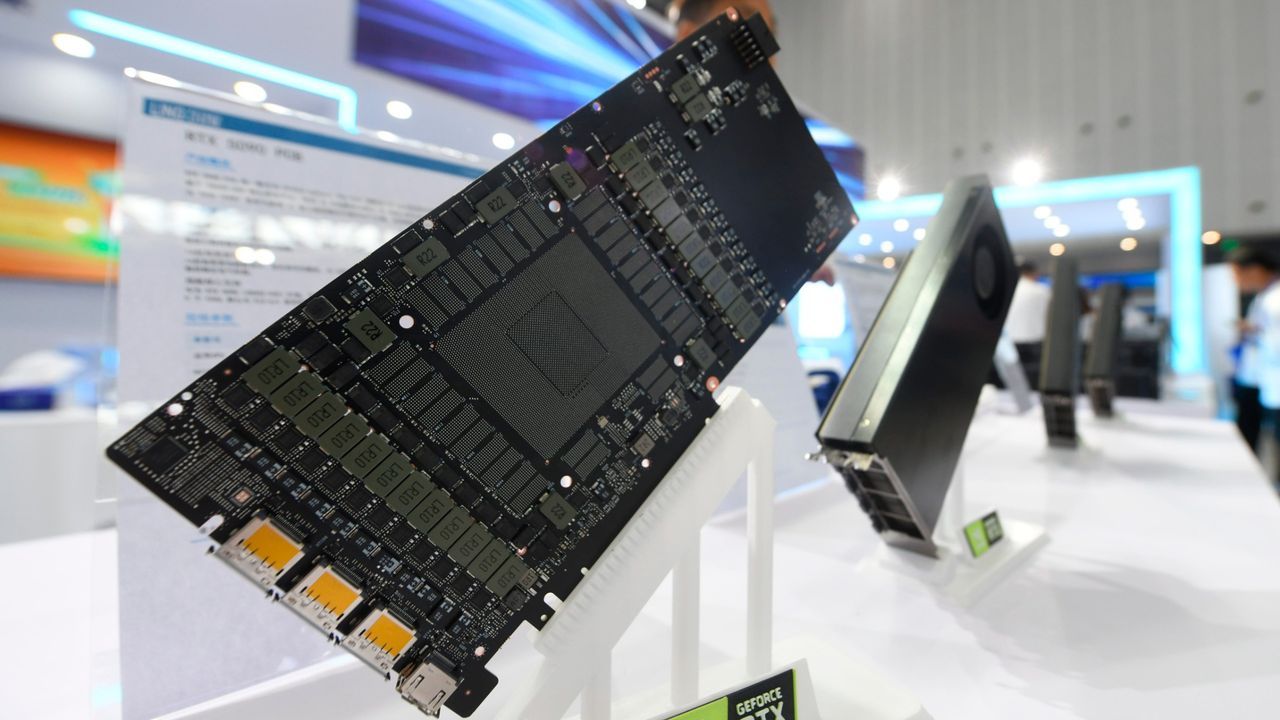
The quest for faster processing and deeper machine learning has created an insatiable appetite for VRAM. At the very top of this hardware hierarchy sits the GeForce RTX 5090, already celebrated as one of the best graphics cards available. But as the demand for increasingly complex AI models explodes, the drive for more memory has pushed some innovators to think beyond the standard specifications, turning manufacturing hubs into laboratories for radical hardware modification.
Enter the world of Shenzhen, where companies like Suqiao Intelligent Technology Co., Ltd. are reportedly pushing the boundaries. These manufacturers are not just assembling components; they are engineering bespoke solutions, reportedly boosting the flagship Blackwell architecture with staggering amounts of memory. One notable example is the rumored GeForce RTX 5090 96GB, offering three times the memory of the original card.
This is more than just a theoretical exercise. Reports suggest that specialized Chinese factories are making these modified GPUs a reality, positioning them as highly desirable tools for intense AI workloads. This movement is fueled by the recent AI boom, which has encouraged manufacturers to look outside conventional constraints and repurpose existing hardware for cutting-edge applications.
So how is this possible? The technical feat behind boosting VRAM is complex. While some rumors circulate about massive memory increases, the feasibility hinges on sophisticated engineering. For instance, specialized configurations, like the RTX Pro 6000 Blackwell, already utilize 96GB of GDDR7 memory. The rumored GeForce RTX 5090 96GB likely achieves this through custom PCB design, allowing memory chips to be installed in a clever clamshell mode, effectively doubling the memory capacity on the board.
To achieve this, manufacturers might extract memory chips or silicon from mainstream cards and reball them onto custom PCBs. However, the path is fraught with technical hurdles. Skeptics point to inconsistencies, such as the mention of GDDR6X memory in some listings, which conflicts with the known specifications of memory chip producers. Furthermore, performance relies heavily on modified firmware and software hacks, a common practice in the custom GPU world.
While some speculative rumors—like the existence of an RTX 5090 with 128GB of VRAM—float around the internet, the concept of the 96GB version appears technically more plausible. The origin of the rumored 96GB model is rooted in established manufacturing experience, as Suqiao is an established OEM/ODM with over a decade of experience in making graphics cards and servers.
The market response is already tangible. The custom GeForce RTX 5090 96GB has reportedly been listed on Alibaba for a highly competitive price of $3,888. This figure is significantly lower than the prices seen in the U.S. market, where custom cards currently start closer to $6,000, and even lower than Nvidia’s premium pricing for high-end professional cards.
If these modified cards prove to be technically viable, they represent a massive opportunity. For those running demanding AI models, a 96GB configuration offers an unparalleled advantage. It suggests that the future of high-performance computing may be less about buying off-the-shelf components and more about creative, customized engineering at the source.
Buy on Amazon
Credit