Samsung LPDDR5X-PIM makes AI 3x faster with in-memory logic
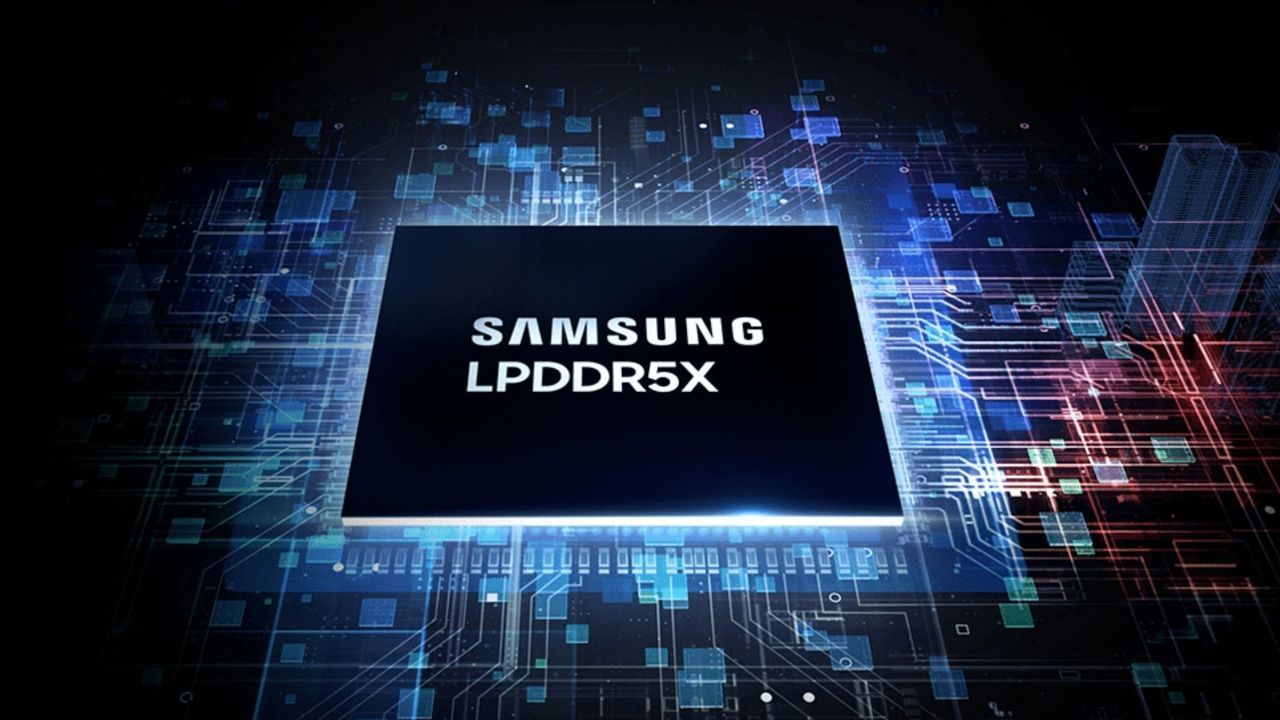
The Memory Revolution: How Samsung is Baking Intelligence Directly into DRAM
The race for faster artificial intelligence hinges not just on smarter processors, but on smarter memory. As the cost of AI accelerators skyrockets, the bottleneck has shifted from silicon processing to data movement. Enter Processing-in-Memory (PIM)—a revolutionary approach that allows memory to start thinking, promising to unlock massive leaps in AI efficiency by moving computation right where the data lives.
Samsung is leading this charge, demonstrating its innovation with the introduction of LPDDR5X-PIM memory. This new standard embeds in-memory logic directly into the low-power memory standard, enabling basic calculations to occur instantly within the DRAM cells. By handling these simple operations locally, Samsung is effectively eliminating the processor as a bottleneck, dramatically accelerating AI inference tasks.
The driving force behind this shift is cost and efficiency. High-bandwidth memory solutions like HBM are incredibly powerful, but they come with a steep price tag. As memory increasingly accounts for the bulk of AI chip costs, making it more efficient becomes paramount. With LPDDR5X-PIM, Samsung tackles the expense by reducing the need for costly data shuttling between the memory and the main processor.
PIM technology is not new; Samsung piloted the concept early on by applying it to HBM stacks in AMD accelerators. Now, they are taking that concept and validating it through LPDDR5X-PIM. This move addresses the fundamental challenge: how to maximize performance without sacrificing the low-power design ethos of modern computing.
The technical architecture behind LPDDR5X-PIM is sophisticated. Instead of traditional memory operations, Samsung integrates PIM into each memory bank. This setup allows for parallel execution using MAC trees, where data and weight parameters are handled locally. To manage the complex interaction with conventional DRAM, Samsung employs a technique called Address Align Mode (AAM), cleverly mapping DRAM addresses to instructions to ensure smooth, efficient data flow during calculations.
The results speak for themselves. In preliminary benchmarks, LPDDR5X-PIM demonstrated significant gains. Samsung reported a 2.28x improvement in model run time and a 3.01x increase in tokens per second (TPS) when performing inference, proving the dramatic speedup gained by keeping computation local.
Perhaps the most compelling aspect of this innovation is its impact on power consumption. While PIM introduces bursty power draw during calculations, Samsung asserts that the overall power consumption remains lower compared to conventional DRAM. This is because the PIM architecture drastically reduces the necessity for data to move repeatedly between the memory and the host, leading to overall lower energy usage.
This breakthrough is set to redefine where AI runs. LPDDR5X-PIM is positioned to revolutionize edge AI on mobile and client devices, and even in lower-scope accelerators like Intel’s Crescent Island. By accelerating these demanding tasks with superior efficiency, Samsung is paving the way for a future where intelligence isn’t just processed, but natively stored, making powerful AI accessible across every device.
Buy on Amazon
Credit