SanDisk Xbox expansion cards for Series X|S now on Amazon
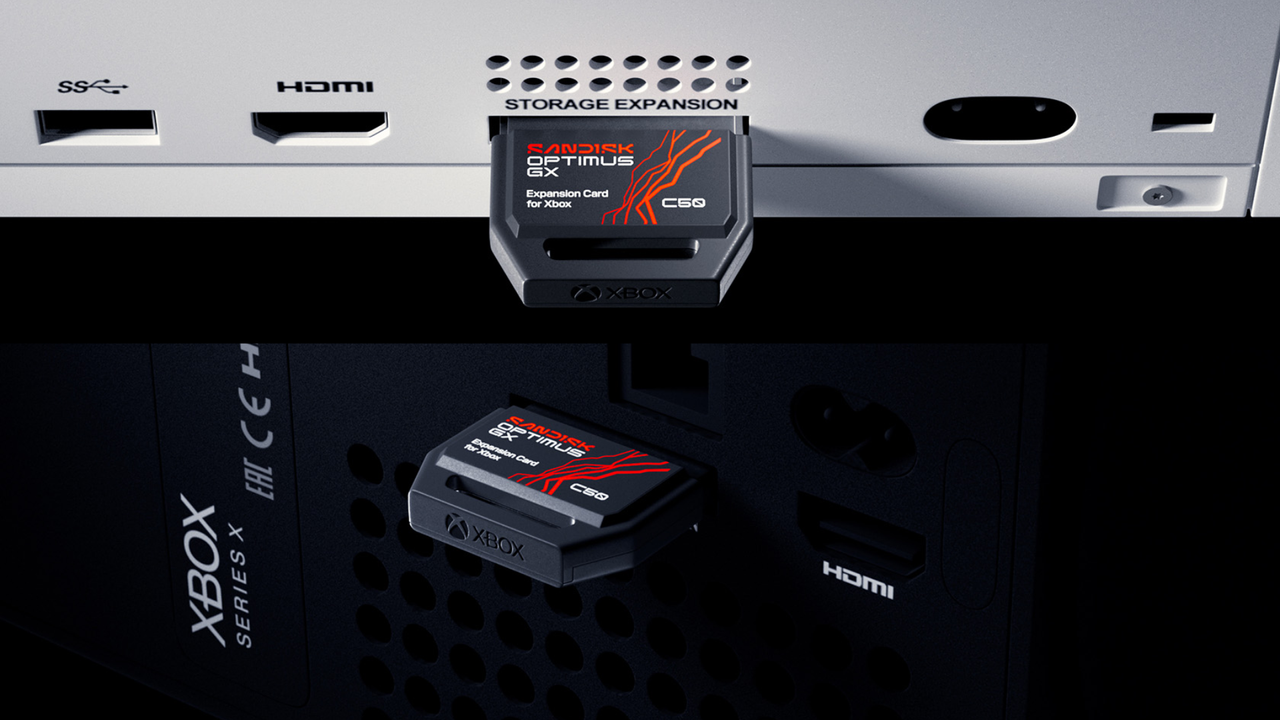
The quest for more storage on the Xbox Series X|S has finally yielded a result, five years after the console launched. For gamers craving massive game libraries directly on the console, the solution has arrived in the form of external storage expansion cards, offering a viable route to boosting capacity.
Companies like SanDisk and Seagate have stepped in to provide this alternative storage solution, enabling users to expand the internal storage capacity of their consoles. The SanDisk Optimus GX C50 line, for example, offers expansion cards starting at 1TB, with options extending up to 2TB, presenting options for serious digital hoarders.
While the initial announcement of this storage lineup was somewhat delayed, the practical reality is that these cards provide a direct method for installing more games internally. This approach contrasts with other gaming platforms, which offer different pathways for storage upgrades.
The landscape of console storage is evolving rapidly. Sony’s PlayStation 5, for instance, features an internal NVMe slot, allowing users to upgrade capacity simply by installing any compatible PCIe 4.0 NVMe SSD. This means capacity upgrades are often more flexible and potentially less costly than the dedicated expansion cards available for the Xbox.
Similarly, Nintendo’s Switch 2 opted for a microSD Express slot, though these cards are generally more niche and costlier than standard microSD cards. The Xbox approach, therefore, requires a specific accessory for its Series X|S add-on slot, making the expansion cards a specific tool for that ecosystem.
Despite the novelty of the expansion cards, they don’t negate the traditional option of using external hard drives. For many, offloading games externally remains a convenient choice, plugging in an external drive when desired. However, for those who want the convenience of playing directly from the console’s internal SSD, these expansion cards offer a specific, albeit specialized, path to increased storage.
The market for these expansion cards is currently defined by specific hardware compatibility, ensuring that users who opt for this route are embracing a specialized solution tailored to the Xbox ecosystem.
Buy on Amazon
Credit
