Satellites fail launch falling back to Earth
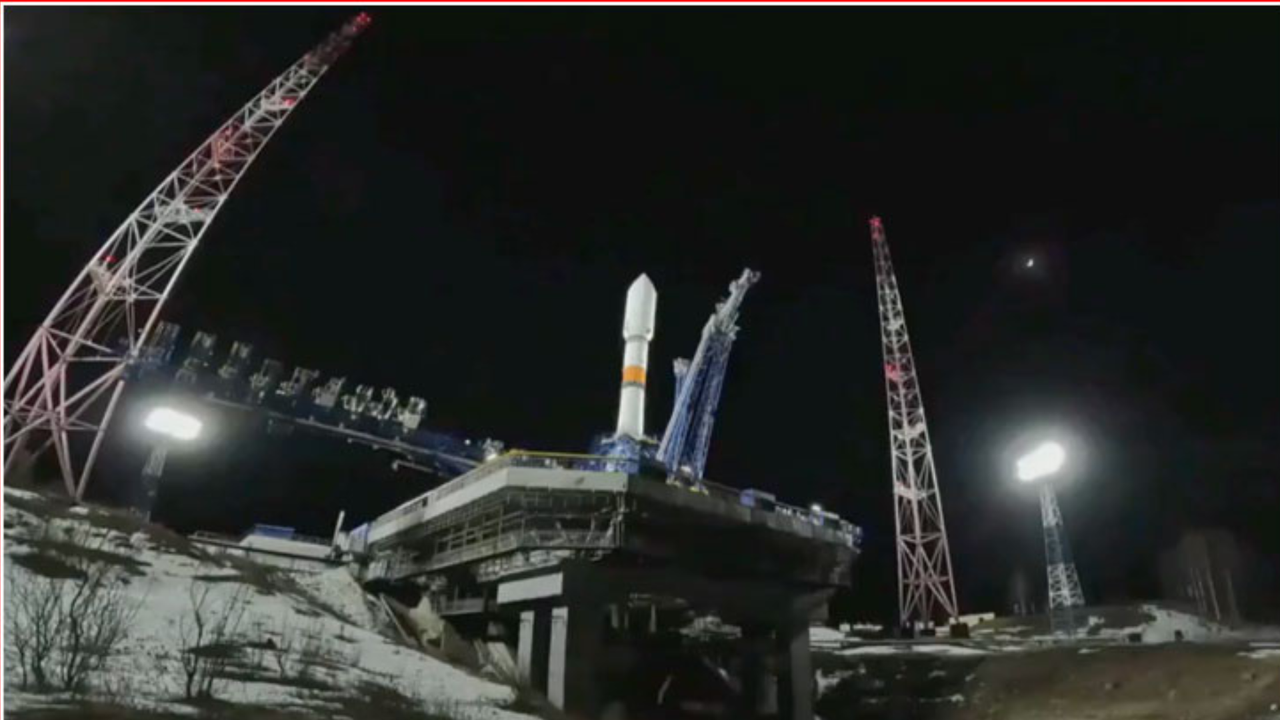
The race for orbital dominance is proving far more complex than simple satellite launches. Russia’s ambitious program to develop its own constellation of satellites, Rassvet, has encountered significant hurdles, particularly with the recent second batch of launches.
Data tracked by the U.S.-based Institute for the Study of War (ISW) indicates that these satellites failed to reach their intended operational altitudes of 870 kilometers. Instead of cruising at the planned height, many of the Rassvet satellites ended up in much lower orbits, ranging between 300 and 400 kilometers, with some even experiencing orbital decay.
The impact of these lower altitudes is substantial. Satellites operating at lower elevations require significantly more fuel and consequently have reduced lifespans, creating major complications for establishing stable, long-term connectivity. Furthermore, two of the satellites from this second batch are already making their fiery return journey to Earth.
This challenge is unfolding against a backdrop of geopolitical tension. Russia has been accelerating its state-funded satellite internet development, pursuing Rassvet as a homebrew alternative to systems like Starlink. This drive intensified after Russia lost access to user-access systems, prompting a focus on independent technological solutions.
The goal set by the Russian aerospace group Bureau 1440 is to expand the Rassvet constellation to 900 satellites by 2035. However, reaching this ambitious target requires flawless execution, and the operational challenges faced with altitude and stability are reshaping the timeline.
The initial launch batch already faced issues; only twelve of the first set of satellites actually reached their anticipated altitudes. Now, the second set, launched in mid-June, has mirrored these concerns, with reports suggesting that none of the second group have achieved their target altitudes. This suggests that the timeline for full operational capability needs serious revision.
For the project to deliver the promised connectivity, analysts suggest a much larger constellation is necessary. The ISW estimates that Russia will need between 200 and 300 fully operational Rassvet satellites to provide stable, 24/7 communication over Ukraine.
Currently, the existing Rassvet system offers limited service, providing only two up-to-90-minute connectivity windows per day over Ukraine. The ongoing technical difficulties indicate that Russia’s interim target of 250 operational Rassvet satellites by 2027 will likely need to be adjusted to reflect the reality of orbital mechanics and operational success.
Credit
