Scam delivers empty CPU boxes in 72 hours for $10K/month
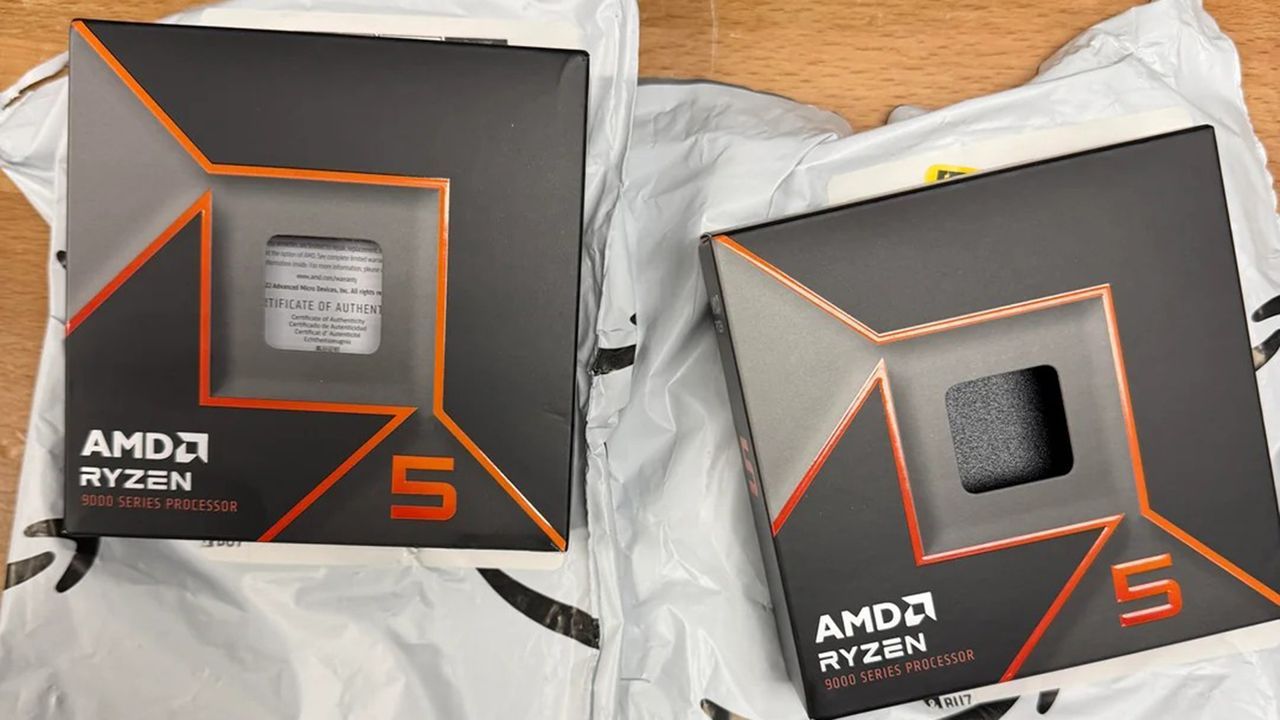
The CPU Conundrum: How Amazon Delivery Scams Are Haunting the Custom PC Market
For computer retailers focused on custom builds, the pursuit of the perfect component is a sacred ritual. Yet, for some, the thrill of assembling the ultimate machine is constantly undercut by a frustrating reality: the stark possibility of receiving an order that is essentially empty. This is the unsettling experience faced by a New York-based computer repair and custom gaming PC store, which has become a cautionary tale about the vulnerabilities lurking within massive e-commerce platforms.
The trouble began when one co-owner of the business detailed a series of bizarre delivery mishaps. While sourcing parts for their customers, they ordered an AMD Ryzen 5 9600X processor. What they expected was a complete component; what they received was only the retail box, conspicuously devoid of the CPU itself. This wasn’t a one-time glitch, however. After immediately requesting a refund and placing a subsequent order for a replacement, the identical scenario repeated itself, with the new shipment also arriving with the box but no processor inside. This frustrating cycle highlighted a growing systemic issue in the supply chain.
The operational context for this retailer adds another layer of complexity. They handle a substantial volume of hardware, sourcing roughly 90% of their inventory through Amazon, which translates to approximately ten thousand dollars a month in orders. This reliance on Amazon Business Prime, while convenient, has exposed them to repeated discrepancies. The co-owner noted that this missing hardware has occurred multiple times over the last five years, turning a routine transaction into a persistent headache.
Adding to the uncertainty is the complexity of sourcing alternatives. When seeking parts outside of direct Amazon channels, the team sometimes turns to third-party sellers, such as “The Tech Group,” whose orders are fulfilled by Amazon. While these sellers may boast acceptable ratings, the store owner expressed genuine skepticism regarding the authenticity of these reviews, emphasizing the need for rigorous verification when dealing with high-value components.
The issue is not unique to this one store. Such delivery scams are unfortunately common on Amazon, where buyers frequently encounter bait-and-switch scenarios or receive completely different, or outright fraudulent, items. One recent example involved a customer ordering a high-end processor only to discover they received a significantly older model, underscoring the risk inherent in large-scale online purchasing.
Ultimately, the experience serves as a powerful reminder for consumers and retailers alike. When dealing with expensive computer hardware, vigilance is paramount. The best defense against these logistical pitfalls lies in meticulous documentation. Recording every unboxing and maintaining comprehensive records transforms suspicion into evidence. By demanding transparency and verifying every delivery, consumers can help mitigate the risks associated with the rapidly evolving world of online hardware commerce.
Buy on Amazon
Credit