Scuf Omega Visual Action
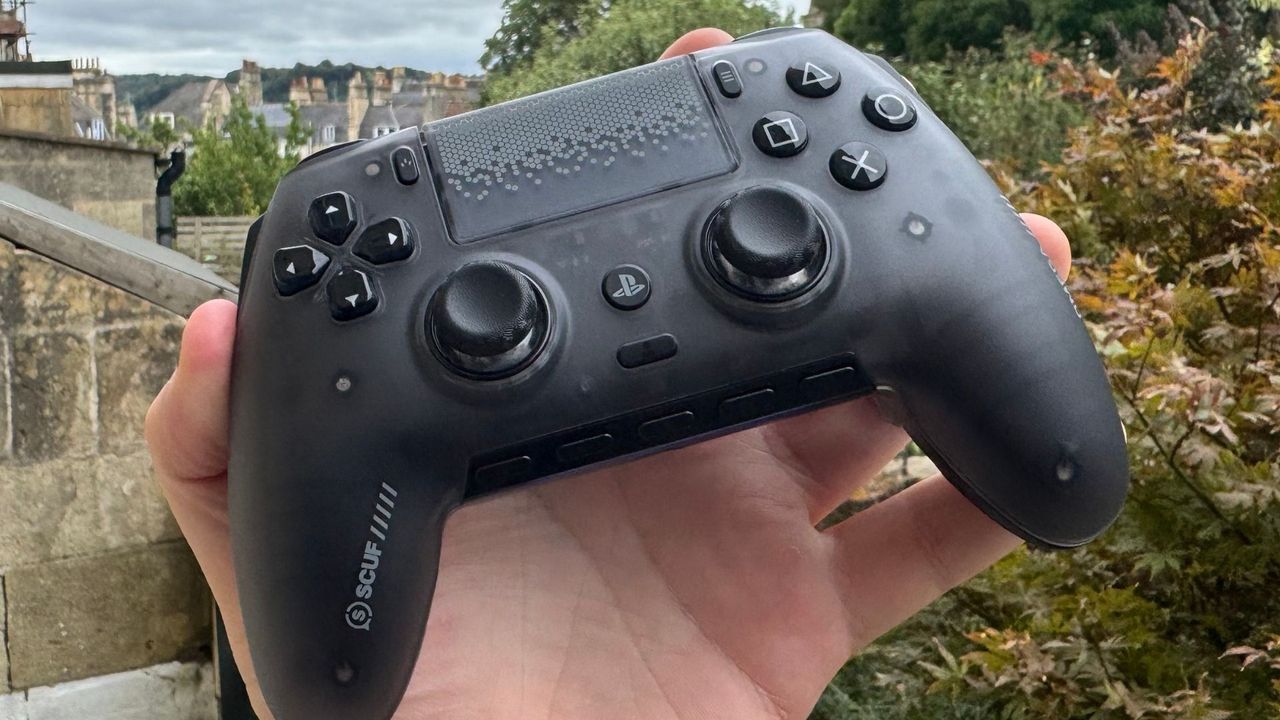
In the high-stakes world of competitive gaming, controllers are more than just input devices—they are extensions of the player’s will. For years, specialized brands like Scuf carved out a niche, offering controllers that blended professional-grade functionality with distinct aesthetics and partnerships. But the landscape has radically changed. Today, pro-grade controllers from giants like Asus, Razer, and even budget-friendly options from GameSir flood the market, making the question of what truly sets a controller apart far more pressing than ever.
The Scuf Omega entered this crowded arena aiming for something truly unique: dual compatibility with both PC and PlayStation, enhanced triggers, and a design philosophy that mimicked the beloved PlayStation DualSense controller. It attempted to bridge the gap between specialized pro gear and mainstream accessibility.
But as the market evolved, features like high polling rates and superior build quality became the new benchmarks. For a controller to justify its premium price tag, it needs to offer a truly unique experience that goes beyond mere button count.
The Scuf Omega certainly introduced some novel concepts. It was officially licensed by Sony, featuring a design, curvature, and touchpad that echoed the familiar console aesthetic. While the physical feel of the buttons and triggers differed from the official console standard, the overall sensation in the hand was undeniably familiar. This was bolstered by incorporating Omron mechanical switches, which promised snappier, more responsive controls, and five customizable ‘G-keys’ at the bottom to tailor the layout to specific game demands.
Yet, the pursuit of perfection brought complexity. While the controller offered extra buttons, the utility of these additions felt tailored toward a more niche, hardcore audience. Furthermore, despite the promise of pro-level features, the performance specs presented a mixed picture. The Omega supports up to 1,000 Hz polling rate on PC, though it locks down to 250 Hz on PS5. While 1,000 Hz is competitive, the general consensus holds that extreme polling rates often don’t translate to necessary reaction time for the average gamer.
The physical experience of the Omega is where it truly shines. It is light, comfortable, and features grips that feel excellent. The design successfully managed to incorporate the familiar shapes of modern controllers while providing an ergonomic advantage. Testing the layout revealed that while many buttons exist, mastering them requires fine-tuning. The control scheme encourages players to think about how they manage their inputs, finding a rhythm that some users found significantly quicker than traditional layouts.
The build quality, however, remains a point of contention. When compared to the robust materials used in leading competitor offerings, the Omega felt noticeably less firm. There was a slight rattle upon handling, suggesting that while the design was appealing, the materials did not quite match the premium performance level.
Connectivity proved to be another area for improvement. The dual connectivity feature is promising, but the method of switching devices, particularly when dealing with proprietary connectors, added unnecessary friction. The seamless swapping of connections offered by other high-end peripherals demonstrated a level of design integration that Scuf could strive to match.
Finally, the software experience is intuitive but somewhat fragmented. Customization requires using a mobile application to adjust settings like polling rate and firmware, meaning that some granular control is relegated away from the moment of play.
Ultimately, the Scuf Omega is a controller built on a foundation of unique design and specialized inputs. It serves as a compelling option for those who prioritize a distinctive aesthetic and bespoke button layout over raw, uncompromised market power. If you are looking for the absolute peak of build quality or the highest possible polling rate, the market offers other powerful contenders. For those seeking a balanced approach that marries unique features with comfortable ergonomics, the Omega remains a fascinating piece of gaming hardware.
Buy on Amazon
Credit
