See DLSS 5 in action today
The digital frontier of gaming is constantly shifting, and sometimes the most fascinating developments happen not in official announcements, but in the unexpected places where developers and modders intersect. Recently, a glimpse into the future of NVIDIA’s DLSS technology found its way into a highly anticipated game, offering a unique and surprisingly powerful demonstration of how deep system access can reshape the visual experience.
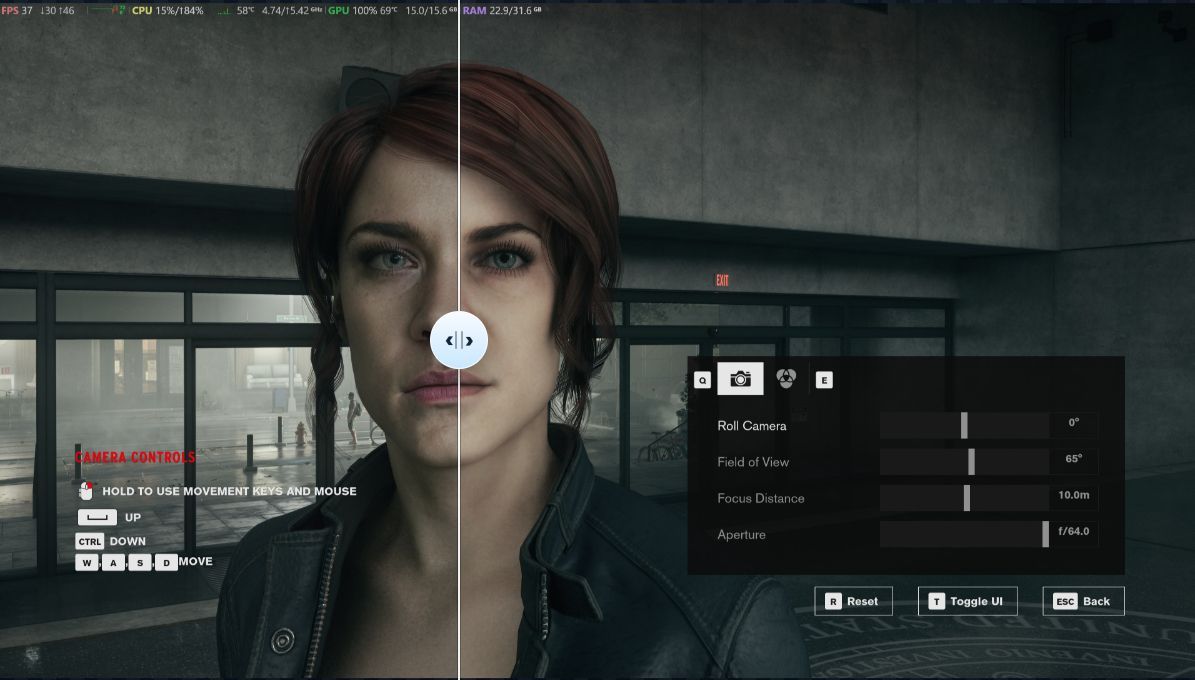
While the official release of DLSS 5 is expected in the autumn, some dedicated users have managed to get a sneak peek by leveraging files from an early access version of a different title. A modder from the RenoDX team successfully managed to inject components of the DLSS 5 neural rendering (AI filter) into Remedy’s Control using files found in the PC version of NBA 2K27.
This wasn’t just a theoretical exercise; the result was live experimentation. The mod injected the AI filter into the character models, offering modders a suite of seven different visual styles, ranging from subtle adjustments to more extreme, ‘yasified’ looks. What struck observers was the level of control granted—the ability to fine-tune the visuals with multiple sliders, demonstrating an incredible grasp of the underlying rendering data.
This achievement is impressive, especially considering the complexity of integrating DLL files from one game into another. It highlights how easily existing technological infrastructure can be repurposed, pushing the boundaries of what users can achieve outside of official parameters.
However, this exploration quickly led to a necessary discussion about performance. Community feedback suggests that enabling these advanced features, even in a controlled environment, comes with a significant cost. Discussions on platforms like Reddit point toward potential performance hits, with some users noting a drop in frame rates that can be substantial.
This raises a critical point for the wider gaming community: as more resource-intensive features like ray tracing and AI rendering become standard, balancing visual fidelity with performance remains paramount. The potential for a powerful, yet resource-heavy, feature like AI filtering could create a new tension point for future hardware and game development.
Beyond performance, the technical nomenclature also sparks debate. The files used in this experiment were labeled DLSSNR, suggesting that the future name for this type of AI game filter might be DLSS Neural Rendering. This rebranding could be seen as an effort to soften potential backlash, suggesting that this advanced capability is an integrated part of the larger DLSS ecosystem.
Ultimately, this small-scale hack serves as a reminder that innovation often thrives at the edges of official releases. It signals that the modding community is already actively exploring the potential of new technologies, creating a dynamic environment where expectations for visual quality are constantly being tested against the limits of current hardware and software.
Credit