Self-taught tinkerer runs room-sized vacuum tube supercomputer
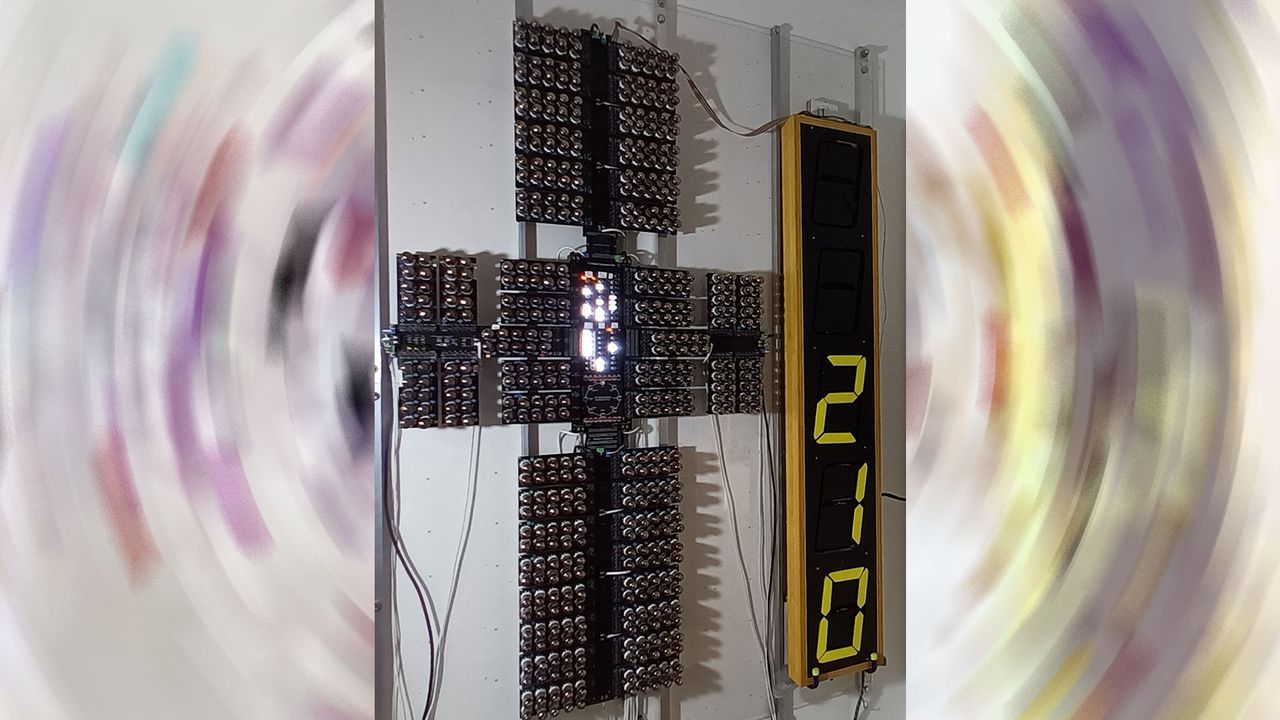
Forget sleek silicon chips and microprocessors. A self-taught electronics enthusiast named Mike is proving that the most captivating computing experiences might be built from the heart of the past: glowing vacuum tubes. Mike recently shared the details of his latest project on Hackaday, a remarkable piece of retro-computing that resurrects the magic of 1950s technology.
His creation is a modern 8-bit design, but built with a deliberately nostalgic aesthetic. Instead of modern components, Mike utilized 460 Soviet-era 6N3P double triode tubes, along with era-appropriate germanium diodes, to bring the age of vacuum tubes into the modern era. This wall-mounted computer is not just a historical curiosity; it’s a testament to the sheer ingenuity of DIY tinkering.
While historically significant machines like ENIAC were built with similar tube arrays, Mike’s project offers a fresh perspective. He embraced the inherent limitations and unique character of the tube technology, turning potential drawbacks into charming realities. Of course, running this machine comes with its own set of quirks. These fragile components require careful management. Mike noted that the 6N3P tubes have a limited operational life of only about 500 hours, meaning a few spares are essential. Accessing the array also requires a stepladder, and the entire setup runs hot, ensuring that the computer room is perpetually toasty—a stark reminder that this is analog computing at its most passionate.
The experience of operating the machine is as unique as its design. There is a necessary ritual before computing can begin: the machine requires 10 to 15 minutes to warm up, followed by a mandatory reset to put the tubes into a unified operational state. This slow, deliberate startup transforms the act of computing into a kind of meditative experience.
Technically, Mike’s architecture employs an arithmetic logic design, performing only the five essential functions needed for its instruction set. Its instruction cycle is non-pipelined, featuring a six-step fetch and single-execute cycle. This simple design highlights how complex functionality can be achieved through clever, constrained engineering.
User interaction is handled through a charmingly tactile interface. Mike has wired the system to allow for engaging simulations, such as piloting an Airship Simulator. Membrane buttons, simply pressing controls on the image of an R80 airship bridge, allow the user to directly control variables like ballast, engine power, and rudder. The physical connection feels wonderfully immediate.
Adding another layer of delightful nostalgia is the audible component: an ex-British Rail flip-digit display. This charming feature provides an entirely different flavor of retro appeal, turning the machine into a piece of living history that invites readers to pause and appreciate the journey from vacuum tubes to digital dreams.
Buy on Amazon
Credit