Seven colors and swappable keycaps on Lenovo IdeaPad Vibe laptops
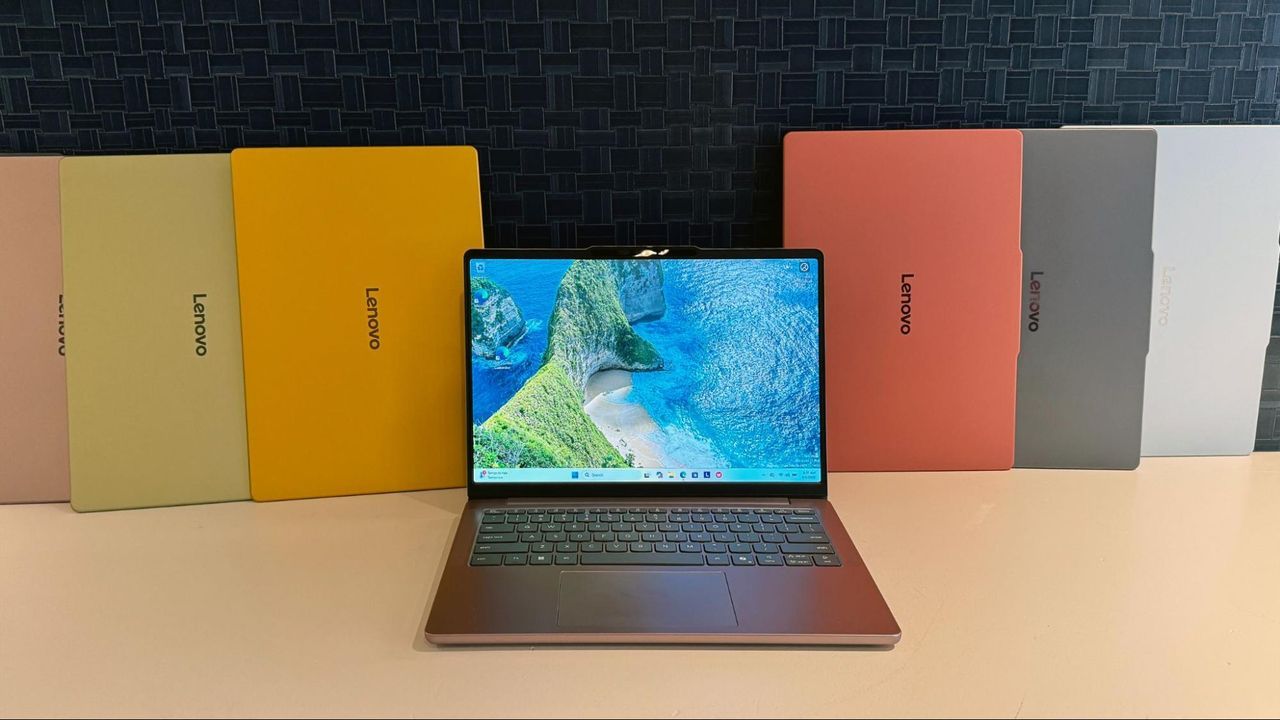
The premium laptop market is officially getting a vibrant facelift, thanks to Lenovo’s new IdeaPad Vibe line. In a bold move that seems designed to capture the attention of consumers who value both aesthetic appeal and affordability, Lenovo is stepping up to challenge the established giants. This new lineup is not just about hardware; it’s about redefining the experience of working and creating with a device.
Inspired by the sleek design of competitors like the MacBook Neo, the Vibe series brings a playful approach to customization. Starting at a highly competitive $699, these laptops arrive in 14- or 15-inch screen sizes, offering seven striking color options. But the customization doesn’t stop there. Users get to personalize their touch experience with the option of either an all-metal chassis or a metal lid and keyboard deck paired with a plastic bottom. The real creative twist lies in the introduction of swappable keycaps, allowing users to perfectly match their laptop’s hue or introduce a stunning, deliberate contrast.
Under the hood, the Vibe laptops are packed with serious potential. Lenovo specifies starting configurations at 1.3kg, boast up to 24GB or 32GB of RAM (with AMD-based models offering even more), and feature powerful processors, whether based on Qualcomm’s Snapdragon X or AMD’s Ryzen AI 400. For those prioritizing visual fidelity, the display options include either 120 Hz IPS panels or OLED screens. Notably, the OLED choice is limited to sophisticated, subdued tones—lowkey gray and moody blue—suggesting a focus on ambient presentation over high-intensity gaming brightness.
Connectivity is handled with efficiency, offering two USB Type-A and two Type-C ports, HDMI, a headphone jack, and a microSD card slot. While the port count doesn’t match some ultra-premium competitors, Lenovo ensures functionality, allowing users to move efficiently between devices. Internally, the machines feature two M.2 SSD slots, providing ample space for storage and future expansion.
Beyond the physical design, Lenovo is heavily integrating artificial intelligence into the core experience through its Qira AI technology. This cross-platform AI system, which also appears in Motorola phones, utilizes Workato-powered connections for email, calendar, and collaboration. The goal is simple: to help users find relevant information and transition seamlessly from intent to action through natural-language requests, significantly reducing the need for constant app switching.
While the AI is powerful, Lenovo keeps the focus on attainable performance. RAM is listed across the lineup as “up to 24GB,” and given the starting price point, it is expected that entry-level configurations will likely ship with 8GB of RAM. However, the emphasis is clearly on accessibility, providing a high-end experience at a mid-range price point.
The rollout schedule is set to test the market’s reaction: the AMD-based models are set to arrive first in October, followed by the Snapdragon models in November. Lenovo also plans to introduce Intel options later, ensuring there is a choice for every user. Furthermore, the Vibe aesthetic extends beyond laptops; Lenovo will also offer the IdeaCentre AIO i, a desktop all-in-one featuring Intel Core Series 3 CPUs and a 27-inch screen in matching colors, starting at $939 in November.
Buy on Amazon
Credit