Sheriff slams GTA 6 collab with Rockstar
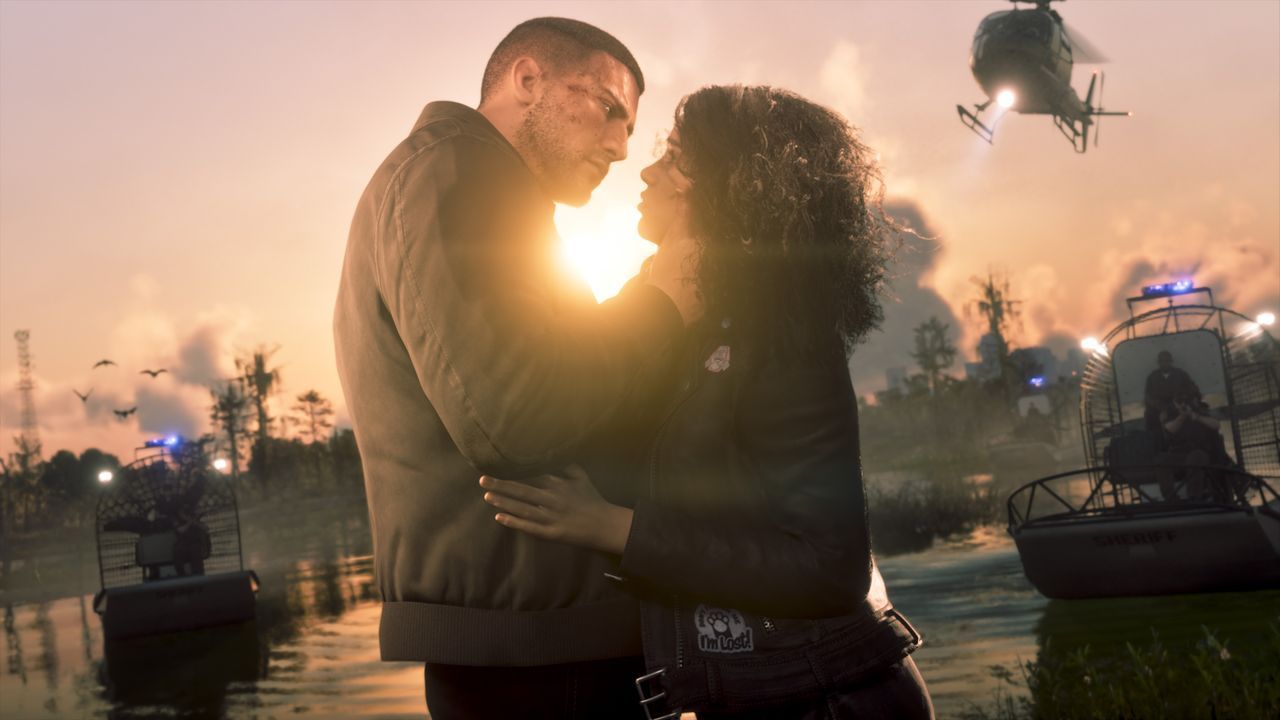
The lure of a massive video game launch often brings extraordinary marketing opportunities, but when those opportunities involve transforming local landmarks into fictional playgrounds, the lines between entertainment and civic pride can get wonderfully blurry. That is the exact tension currently playing out in Miami-Dade County, where officials have explored a bold pitch to Rockstar Games, seeking to weave the fabric of the county into the world of Grand Theft Auto 6.
The proposal, spearheaded by local leaders, is a fascinating blend of commercial ambition and local identity. The idea is to leverage Miami-Dade’s deep connection to Vice City—the inspiration for the entire GTA series—to showcase the county to a massive global audience while simultaneously generating revenue for the local government. The vision isn’t just about slapping logos on buildings; it involves transforming iconic spots into immersive experiences. Imagine Vice City signage adorning the Metromover and Metrorail transit stations, or creating Vice City-inspired public art installations at PortMiami, alongside a family-friendly celebration of Miami car culture at Tropical Park.
The pitch also includes ambitious, infrastructure-focused ideas, suggesting that the partnership could even fund permanent upgrades to county facilities. One particularly creative concept involves establishing a Vice City Radio Lab within the main library, providing access to media equipment to reflect the central role that music and radio play in the GTA experience. It is an attempt to celebrate the real civic culture that inspired the game, making the marketing feel less like a simple promotion and more like a celebration of the community that built it.
However, this dream of localized branding immediately ran up against a serious roadblock. The Miami-Dade Sheriff’s Office and county leadership have voiced strong opposition to the plan, rooted in the fundamental difference between the reality of community safety and the fictional world of Grand Theft Auto. For law enforcement, the GTA universe is built upon themes of crime, murder, and violence—the very conduct the deputies and officers work tirelessly to prevent every single day.
Miami-Dade Commissioner Juan Carlos Bermudez stressed the importance of promoting the community they have worked hard to build, arguing against presenting a fictional version defined by crime and chaos. The Sheriff, Rosie Cordero-Stutz, echoed this sentiment, making it clear that the partnership must align with the values of public safety.
This resistance isn’t born out of stubbornness; it stems from a long-held perspective that remains valid: the GTA franchise has always been steeped in criminal activity. While the video game industry has certainly matured over the past two decades, as evidenced by the mainstream acceptance of titles like GTA 6, the core message remains that the source material is inherently violent. The question becomes whether incorporating fictional criminal elements into public-facing civic projects is appropriate.
Ultimately, the conversation highlights a deeper dynamic: the tension between global entertainment marketing and local institutional responsibility. Whether Miami-Dade chooses to embrace the promotional opportunity or resist it, the resulting campaign will inevitably reflect the complex relationship between mass media, fictional worlds, and the real-life community it seeks to represent.
Buy on Amazon
Credit