Silent Hill: Townfall Remote Scotland’s edge of the internet age
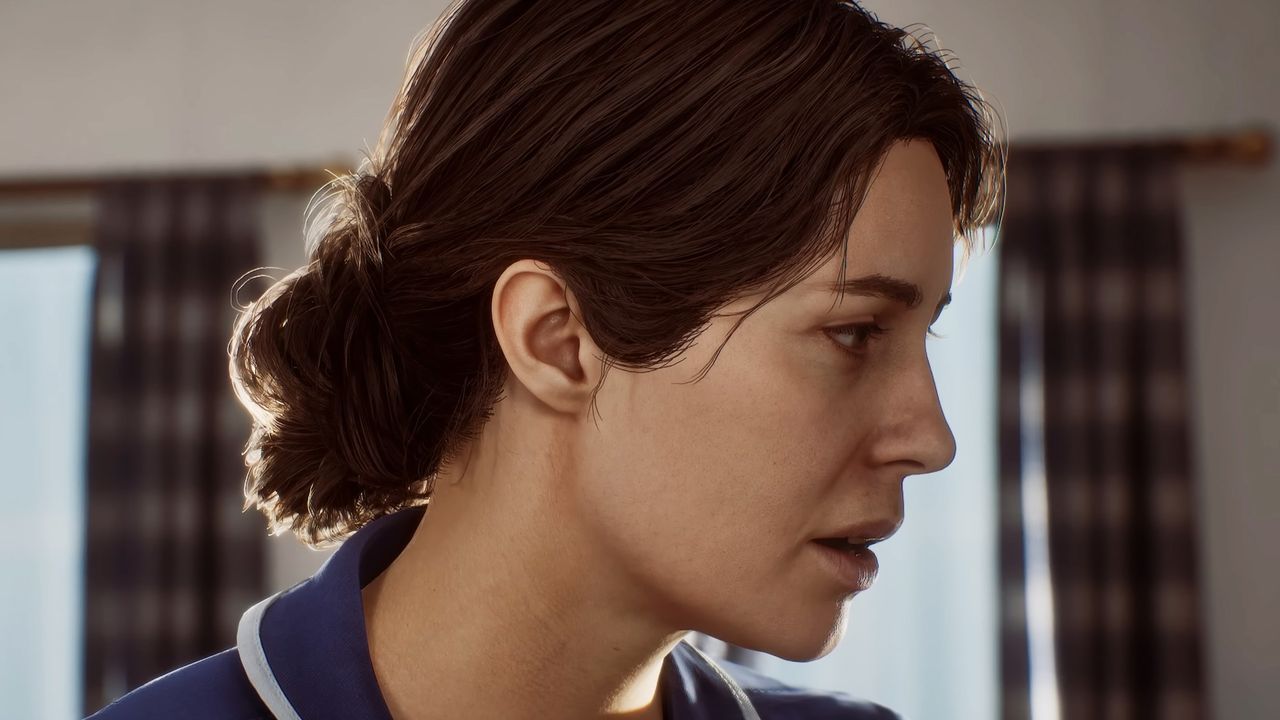
Horror fans are entering a golden age in gaming, fueled by an endless stream of brilliant indie titles and the grand revitalization of classic horror franchises. Leading this charge is the masterful exploration of Silent Hill, a saga that continues to haunt players with its psychological depth.
The franchise’s renewed energy comes through mainline games that cleverly take the core Silent Hill narrative and transport it to entirely new landscapes. This trend has already yielded fascinating results, such as Silent Hill f, which took fans deep into the purgatory between tradition and modernity by setting the story in 1960s rural Japan.
Now, the focus shifts again with the arrival of Silent Hill: Townfall. This latest entry places the grim narrative in 1996 St. Amelia, Scotland. But where does this journey take us, and what thematic territory does director Jon McKellan intend to map out?
McKellan’s vision is rooted in the very fabric of the setting. He suggests that the choice of era is deliberate; it captures a time on the cusp of technological explosion—the nascent age of the internet and rapidly changing communities. This context introduces layers of dread, as players witness not just supernatural horror, but societal shifts.
The game explores a deeper anxiety: the slow decay of small towns and communities as people seek promises of betterment elsewhere. Watching the rise of the internet seep into local life is terrifying enough, yet the true unsettling element lies in observing this abandonment—the loss of authentic places. McKellan emphasizes that for the story to resonate, players must develop empathy for St. Amelia and understand the weight of its history.
“We wanted to build a town that felt extremely authentic,” McKellan explains. “If we were to set it in an American town, somewhere we haven’t experienced, it wouldn’t feel believable. We sought a place that felt real, a community you could care about.”
This commitment to authenticity is precisely what fuels the Silent Hill experience. By grounding the horror in believable, lived-in communities, the game taps directly into the classic emotions of the franchise: guilt, loneliness, and profound regret.
The brilliance of this approach lies in its subjectivity. McKellan notes that the story was designed to be deep enough for meaningful interpretation but open enough to spark endless theory. Players aren’t just witnessing a narrative; they are invited to step into the shoes of those who lived through it, allowing everyone to forge their own unforgettable understanding of what Silent Hill truly means.
Buy on Amazon
Credit
