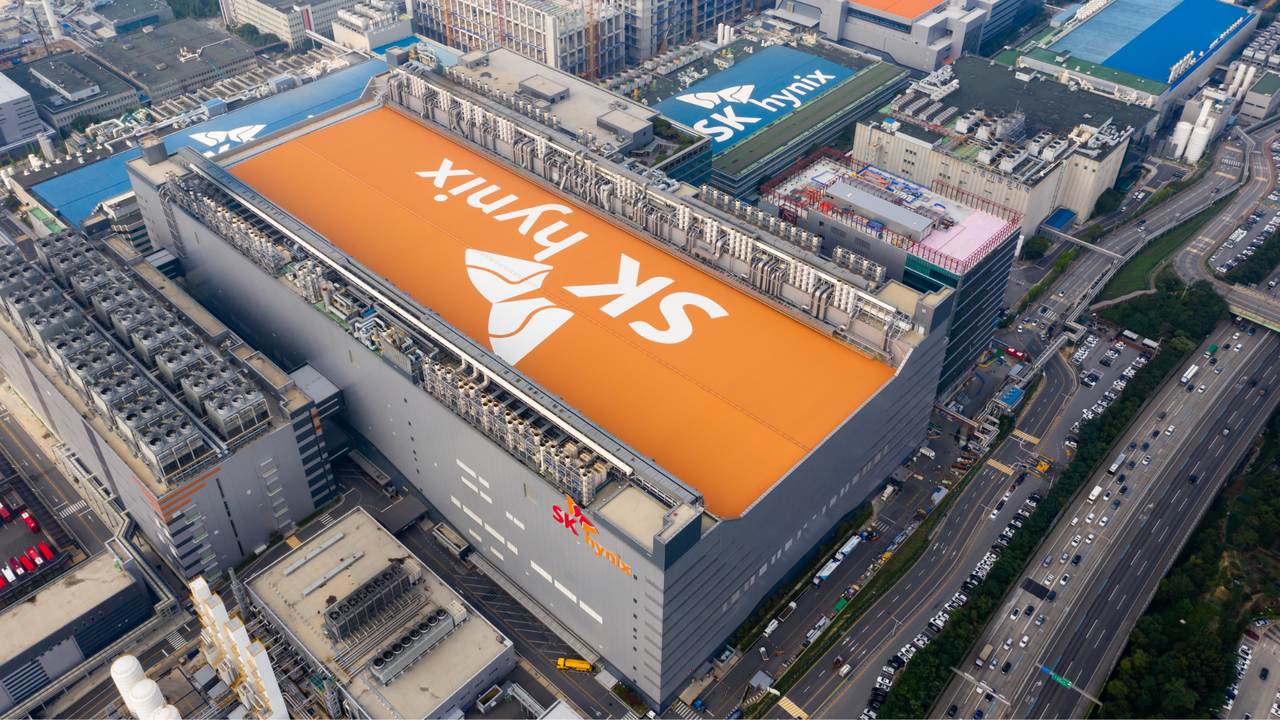
SK hynix and Intel discuss US chip manufacturing options
The Silicon Bridge: How South Korea’s Memory Giants are Seeking a U.S. Manufacturing Home
The global race for artificial intelligence has placed memory chips—the unsung heroes of computing—at the very epicenter of geopolitical competition. Now, the focus is shifting to the physical location of the next generation of memory manufacturing, as South Korean giant SK hynix enters high-level talks with Intel to establish a critical footprint inside the United States.
This potential collaboration is more than just a business transaction; it represents a strategic effort to navigate the intense supply chain demands driven by AI data centers, which are rapidly consuming the world’s memory and storage resources. The core desire is to alleviate the global memory shortage by integrating world-class chip production capabilities within the American ecosystem.
SK hynix is reportedly exploring several avenues to make this happen. These options range from securing space in the under-construction Intel Ohio One site to forming a joint venture with Intel and other major AI hyperscalers desperate for high-bandwidth memory (HBM).
The implications of this move are enormous. It complements SK hynix’s recent physical expansion, including the groundbreaking of an HBM packaging plant in Indiana, demonstrating a commitment to establishing domestic manufacturing capacity. This initiative directly aligns with the broader ambition of the South Korean government, which has unveiled a massive $520 billion investment plan aimed at boosting chipmaking capacity and securing the nation’s competitive edge in the AI race.
The connection to the U.S. is further solidified by ongoing high-level diplomatic efforts, including the South Korean president’s recent visit to Silicon Valley, which was seen as an effort to accelerate negotiations between top Korean tech firms and their American counterparts.
However, the venture operates within a complex geopolitical landscape. While the desire for U.S. manufacturing is strong, the negotiations are complicated by larger economic commitments. South Korea is simultaneously engaged in talks to finalize a $350 billion investment commitment to Washington, a move that is intertwined with discussions about tariff reductions. This puts SK hynix in a delicate balancing act, navigating the demands of both Seoul and Washington, especially as the Commerce Department has signaled potential tariffs if U.S. manufacturing targets are not met.
Despite these powerful undercurrents, official confirmation remains guarded. SK hynix has stated they are reviewing various measures to strengthen their memory business competitiveness, though no specific details about the U.S. manufacturing talks have been disclosed. Similarly, Intel has declined to comment, calling the rumors speculation while continuing its investment in the Ohio project, which is expected to come online between 2030 and 2031.
Ultimately, the potential partnership between SK hynix and Intel serves as a fascinating case study in how global technology leaders are attempting to reshape supply chains—a high-stakes balancing act where chip design, memory capacity, and national security are all intertwined in the future of AI.
Credit