SK hynix defaults on SSD refunds as drive prices double
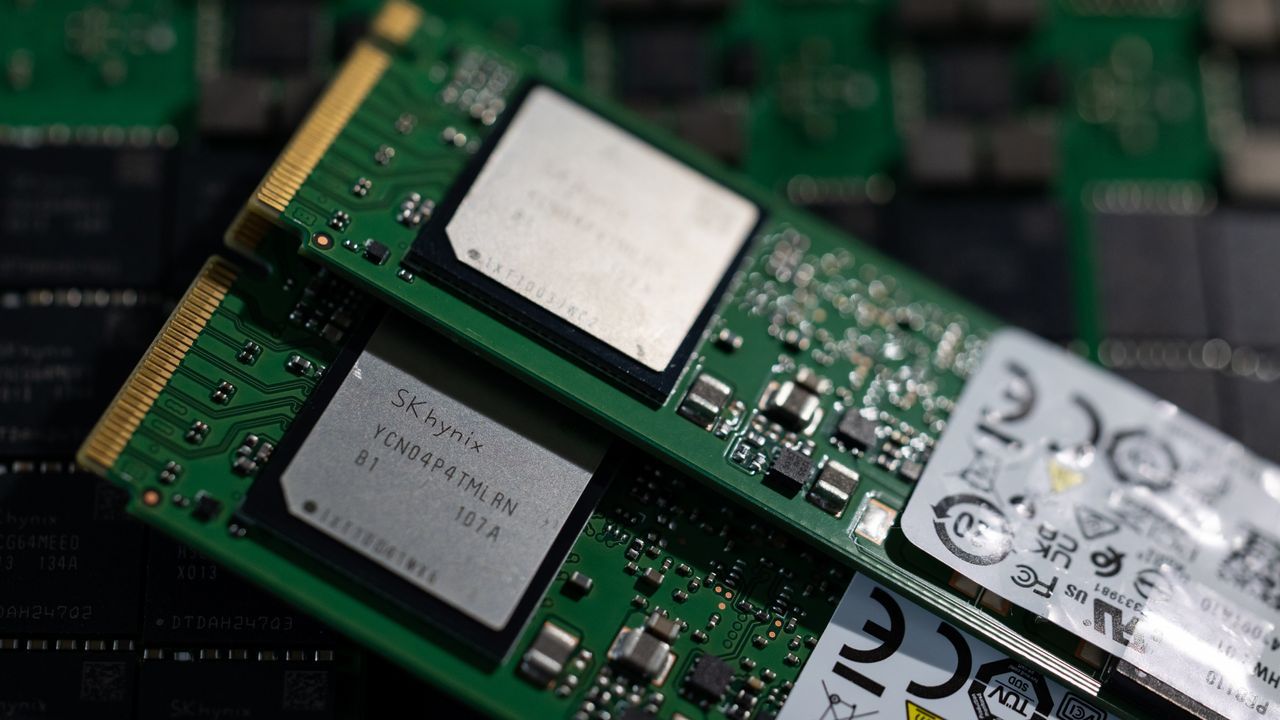
The global technology landscape, especially in the realm of storage, has been defined by a stark reality: soaring prices and supply shortages. While companies like SK hynix are renowned for crafting high-quality memory chips, their consumer SSD line has recently become a microcosm of this larger economic struggle.
When consumers seek peace of mind through warranties, they often encounter a tricky set of fine print. Consider the standard procedure: if a drive malfunctions, manufacturers typically offer repair or replacement. If neither is possible, a refund is offered. The exact amount of that refund, however, can be where the legal and market realities collide.
SK hynix’s warranty policy explicitly states that in lieu of a repair or replacement, the original purchaser may receive a refund of either the original purchase price or the fair market value, whichever is lower. This clause, while seemingly fair on paper, becomes a significant source of frustration when purchasing hardware during periods of intense global scarcity.
The core issue lies in the definition of “fair market value” when prices are skyrocketing due to shortages. For instance, popular models like the Platinum P51 and its predecessor, the Platinum P41, have seen dramatic price increases since storage supply became constrained. A refund based on the original purchase cost simply does not reflect the current market value of that same technology.
This tension is not isolated. Recent disputes involving other memory and storage manufacturers illustrate how these policies play out in practice. In one case, a company initially offered only an amount equivalent to the original purchase price for a memory kit, but eventually stepped up to match capacity with alternative modules after customer pushback.
Similarly, another high-profile spat involving an SSD maker and a consumer demonstrated the shift in practice. When disputes arose over an SSD warranty, the company ultimately refunded the owner at the drive’s current market price, confirming that market value often takes precedence in these volatile situations.
These recent events underscore a critical lesson for consumers: navigating hardware warranties requires more than just reading terms and conditions. In times of market turmoil, understanding how manufacturers define their clauses—especially regarding the fair market value—is essential for ensuring that warranty processes are equitable and reflective of the current economic reality.
Buy on Amazon
Credit