SK hynix missed wild AI expectations despite record quarter
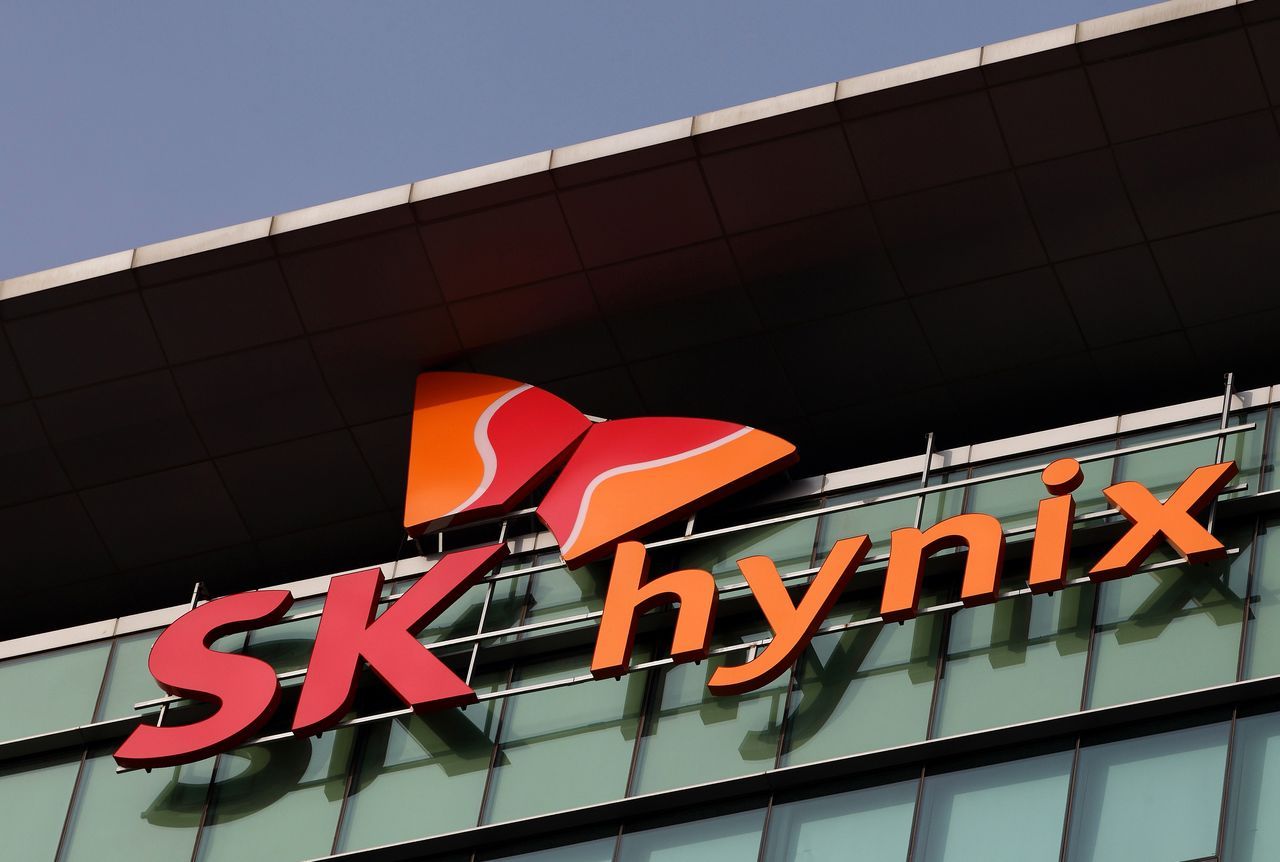
The Memory Paradox: How SK hynix Navigates AI Hype and Supply Crunch
In the fiercely competitive landscape of semiconductor manufacturing, where memory chips are the silent engine driving artificial intelligence, SK hynix has delivered staggering financial results. The company recently announced record revenue of 79.3 trillion won, translating to approximately $55.6 billion, cementing its status among the ‘big three’ memory manufacturers.
However, amidst this impressive top-line figure, a dose of disappointment shadowed the announcement. Despite the booming demand generated by the AI revolution, SK hynix narrowly missed investor expectations for profitability, falling short of the forecasted 84 trillion won threshold by the end of June.
The reason for the miss stemmed from shifting revenue streams, primarily related to the anticipated slow-down in High Bandwidth Memory 4 (HBM4) shipments. Investors were looking for immediate realization of AI chip demand, and the deferral of those revenues led to a noticeable market reaction.
This financial hiccup manifested immediately on the stock exchange. The news triggered a slump in shares, resulting in a decline of about 9.6%. While the company’s overall year-to-date performance remains robust—with the stock still up by 115%—the market was clearly seeking concrete details on how SK hynix would directly capitalize on the massive AI spending spree.
For many investors, the frustration boiled down to a lack of transparency regarding direct benefits from the AI boom. Yet, the company appears determined to steer the narrative back toward growth and stability. SK hynix remains confident that the momentum in memory demand will persist, even if the immediate shipment forecasts shift.
In response to this persistent market tension, the company is taking proactive steps to secure future supply stability. SK hynix is actively pursuing multi-year contract discussions with customers, aiming to lock in mid-to-long-term agreements that guarantee steady demand for its products.
To back up these commitments, the firm plans a significant injection of capital, targeting an increase in capital spending to around 40 trillion won, or $27.6 billion, throughout the year. This aggressive investment signals a commitment to supporting anticipated demand and safeguarding future growth.
Meanwhile, the wider consumer electronics market continues to grapple with the lingering effects of the memory supply crisis. As manufacturers look ahead, it is predicted that further price spikes related to memory suppliers will occur, though the frequency might slow down. This tempering effect comes as industry predictions suggest that supply could plummet by as much as 70% next year.
The story of SK hynix’s Q2 results is a reminder that while the AI boom generates immense potential, navigating the complexities of global supply chains and shifting market expectations requires not just massive production capacity, but also strategic communication and unwavering operational confidence.
Credit