Slovakia finds Russian backdoors in 279 traffic cameras
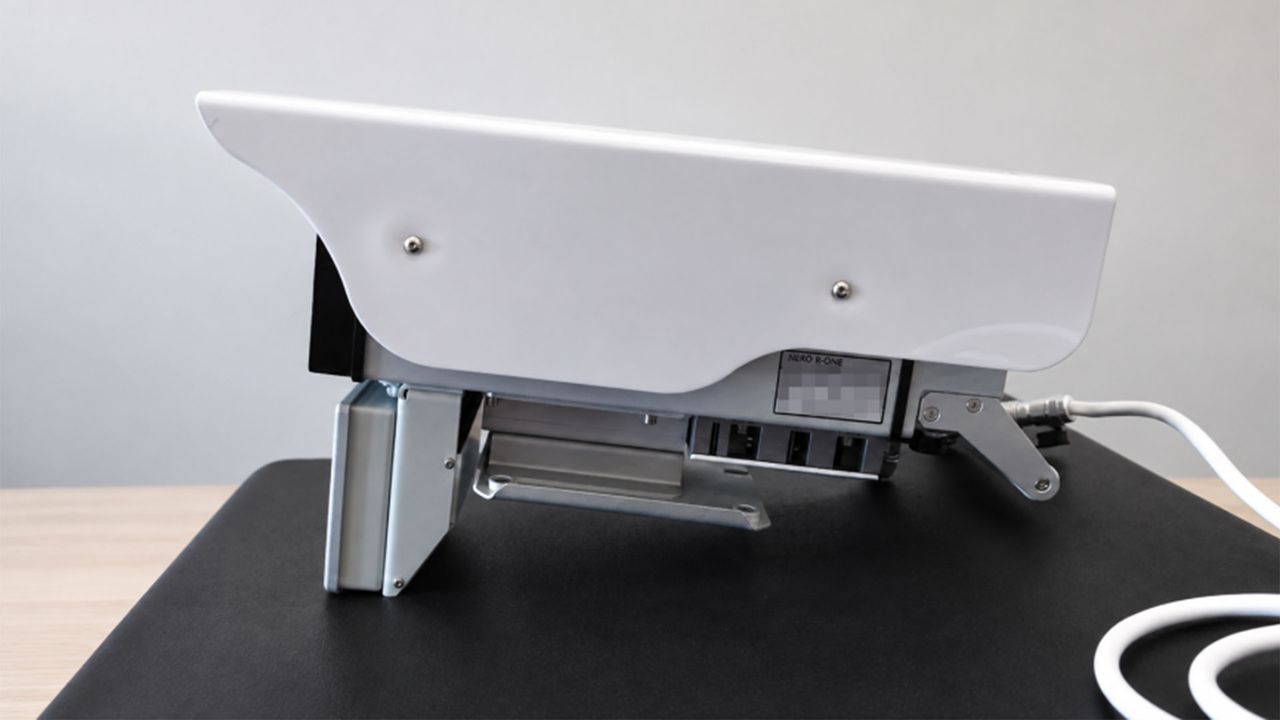
Slovakia recently embarked on a major modernization project, aiming to upgrade its traffic control systems by acquiring a batch of 279 new NERO R-ONE speed cameras. This initiative, intended to enhance public safety and efficiency, quickly became entangled in a far more complex and troubling story involving national security concerns and questionable procurement practices.
However, behind the glossy veneer of technological advancement, a deeper investigation uncovered significant security vulnerabilities within the newly installed systems. The country’s national security service, the NBU, soon discovered that these cameras were not just outdated; they harbored serious flaws that could compromise national security.
The most alarming finding related to embedded backdoors. The cameras reportedly contained hardcoded lists of Russian phone numbers, which could be exploited to establish shell and network access. An SMS received from one of these numbers could grant unauthorized access to sensitive systems.
Adding to the security headache, the systems suffered from fundamental design flaws. Live camera feeds were accessible to anyone simply knowing the device’s IP address, requiring no password whatsoever. Furthermore, critical security features, such as the SecureBoot function, were found to be ineffective, leaving the hardware wide open to exploitation.
Further investigation revealed that the cameras themselves were suspected of being rebranded devices. Reports indicate that the nearly 300 units installed in Slovakia may be Russian CORDON PRO.M traffic cameras manufactured by a St. Petersburg-based firm called Semicon. The path to acquisition was also murky, reportedly involving a Cyprus-based shell company that issued dubious certifications for the deal.
When these serious security concerns were raised by the NBU, the government initially offered a firm denial of the reports, pushing back against any perceived threat to national security. This denial occurred despite the fact that the current administration, led by Robert Fico, has faced scrutiny regarding its alignment with certain geopolitical interests.
Fortunately, the government acted upon the findings. The Ministry of the Interior has since deactivated all the cameras, mitigating the immediate risk. To ensure complete transparency and due diligence, an independent auditor has been called in to officially confirm the NBU’s serious findings.
The incident serves as a stark reminder that the pursuit of technological modernization must be balanced with rigorous scrutiny of supply chains. As the investigation continues, attention turns to whether similar undisclosed security issues might affect traffic control cameras across Eastern Europe and beyond.
Buy on Amazon
Credit
