
Snap the gimbal and fly AI tracking with HoverAir’s modular drone
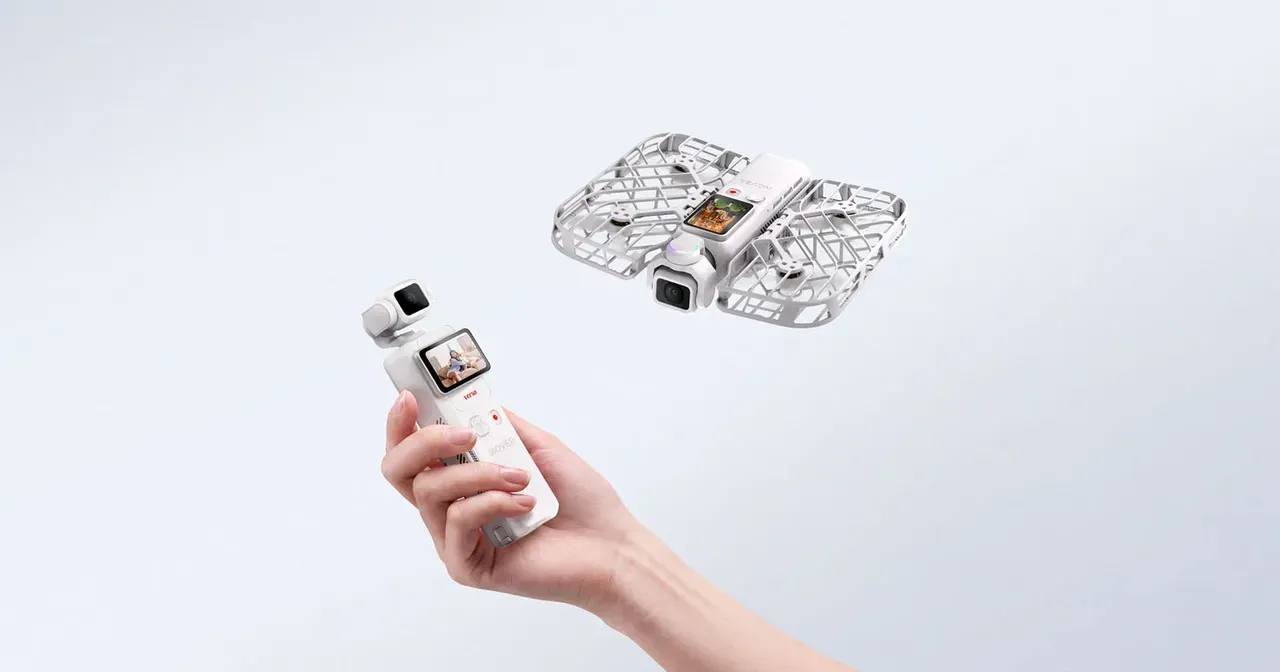
The world of aerial photography just got a serious upgrade, thanks to HoverAir, makers known for their self-flying selfie drones. They have unveiled the HoverAir Versa, a device that doesn’t just bridge two product categories—it merges them into something genuinely magical.
The Versa is fundamentally a high-end stabilized pocket gimbal camera. It boasts a three-axis gimbal for flawless stability, ensuring that every shot you capture is smooth and professional. Think of it as the perfect cinematic accessory: a pocket camera with rotating screens, intuitive controls, and even RGB accent lighting that doubles as a smart status indicator.
But where the Versa truly shines is in its innovative integration with aerial technology. It serves as HoverAir’s very first pocket camera, setting a new benchmark for portability and stability in this category. The real genius lies in how it connects to an existing drone body. Via pogo pins located on the camera unit, a small, foldable drone structure magnetically snaps onto the Versa.
The moment of transformation is pure ingenuity. With a simple tap, the wings unfold, and the device lifts off. The incredible part? No external controller is needed. The system relies on advanced AI to automatically track and follow you, allowing for seamless, hands-free flight directly from your palm.
This setup eliminates the usual complexity of piloting a drone while simultaneously providing unparalleled camera stability. HoverAir has packed this innovation with over ten intelligent modes, enabling filming from any angle using AI-assisted framing, plus an exciting 360° feature that allows users to capture and composite scenes into immersive, explorable worlds.
One of these modes is 3D Worlds, where the drone flies around your subject, capturing multiple angles and blending them into a single, shared 360° scene. While this doesn’t exactly match real-time 360° video recording, it offers a neat trick for creating breathtaking composite footage.
HoverAir is touting class-leading performance in the Versa, with promotional material suggesting capabilities that could include up to 8K video in 10-bit Log or HLG formats. Coupled with potential flying speeds of up to 45 km/h, the hardware signals a commitment to top-tier dynamic range and compact design.
While pricing and release dates remain under wraps, the sheer ingenuity of harmonizing professional camera technology with self-flying drones is undeniable. The Versa doesn’t just offer a new gadget; it promises a future where capturing cinematic moments is as effortless as reaching for your phone.
Buy on Amazon
Credit

