Sombra’s Support switch and player adjustment
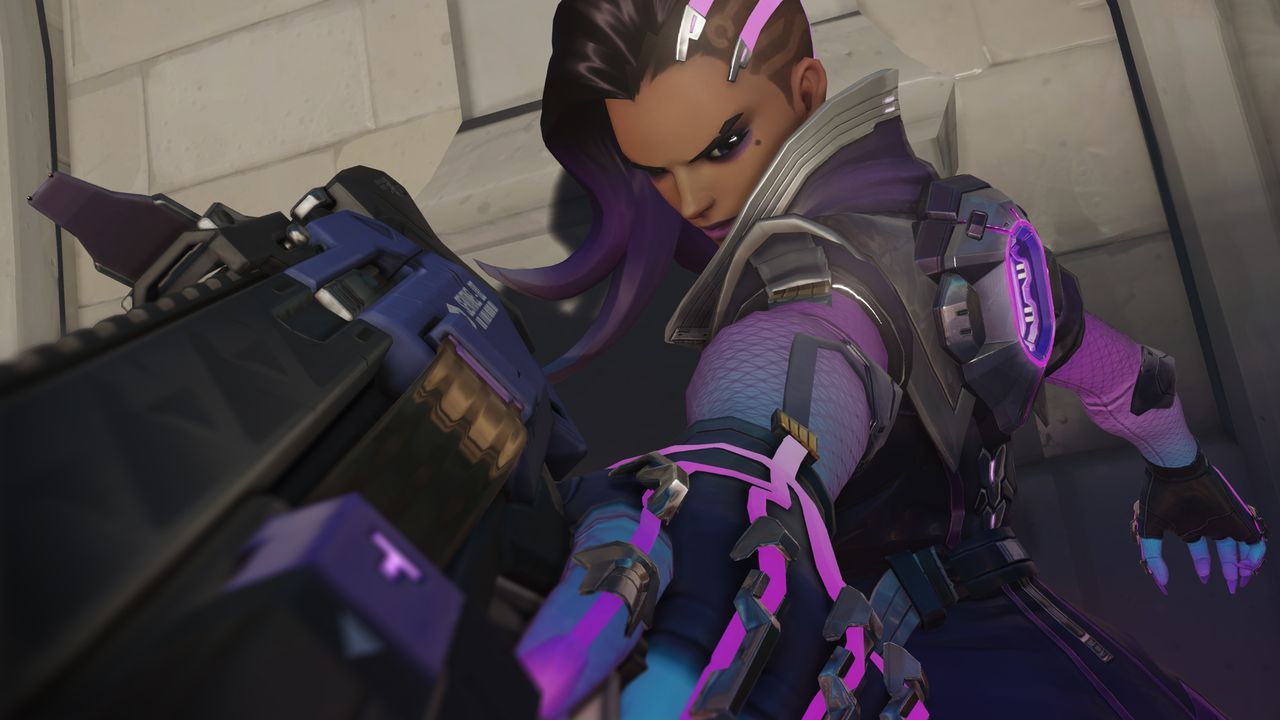
In the fast-paced world of competitive gaming, the heroes who truly capture the imagination are often those who live in a perpetual state of flux. Few characters embody this chaotic cycle better than Overwatch’s misfits, Roadhog and Sombra. When they are at their peak, the game feels exhilarating; when they are balanced, the desire to play them wanes. This constant swing between power and weakness creates a unique, frustrating dynamic for the community, making the design of these characters a battlefield for developer decisions and player expectations.
This tension led to another major redesign at Blizzcon, bringing the dynamic duo Hog and Sombra into the spotlight for a complete overhaul. But balancing these powerhouses isn’t just about tweaking numbers; it requires seismic shifts in their fundamental roles. The changes introduced to Sombra, the notorious hacker and rogue agent, are particularly eye-catching and have stirred significant debate among players.
While Sombra retained her core abilities—her primary fire, the EMP ultimate, and her translocator—the additions repositioned her squarely into a new tactical space. New features like Hotfix, which allows her to heal an alley for sustained health and freely access health packs, fundamentally change her utility. Furthermore, abilities like Cyberspace have been recontextualized as a biotic grenade mimic, and a new passive, The Conspirator, grants her the ability to foresee enemy ultimate charges. Perhaps most impactful is the introduction of The Tactician support subrole, allowing her to store and enhance her ultimate charge.
These modifications are designed to push Sombra into a Support role. This shift naturally invites friction. Some players feel this rebalancing is unfair, especially for those who prefer her established role as a flanking DPS. There is a natural resistance when a character is asked to adapt, particularly when that adaptation challenges ingrained player habits.
The core debate revolves around what a Support role truly means in the game. While healing is a component, the primary function of a Support hero should be to facilitate team engagement and boost ally kill potential, ensuring team sustain. The concern among some is that shifting Sombra’s focus might lead to frustrating gameplay scenarios, such as a Support character camping enemy Mercy while others engage, rather than focusing on essential team recovery.
Despite the community pushback—stemming from established expectations and the ingrained competitive history of Sombra—there is a sense that these changes are growing pains. While initial resistance is inevitable, the potential for this new structure to settle into the muscle memory of the player base is strong. Over time, Sombra has the potential to evolve from a controversial outlier into a highly valued and essential member of the team, much like other iconic characters in the Overwatch universe.
Buy on Amazon
Credit
