Sonic Racing Transformed review gameplay
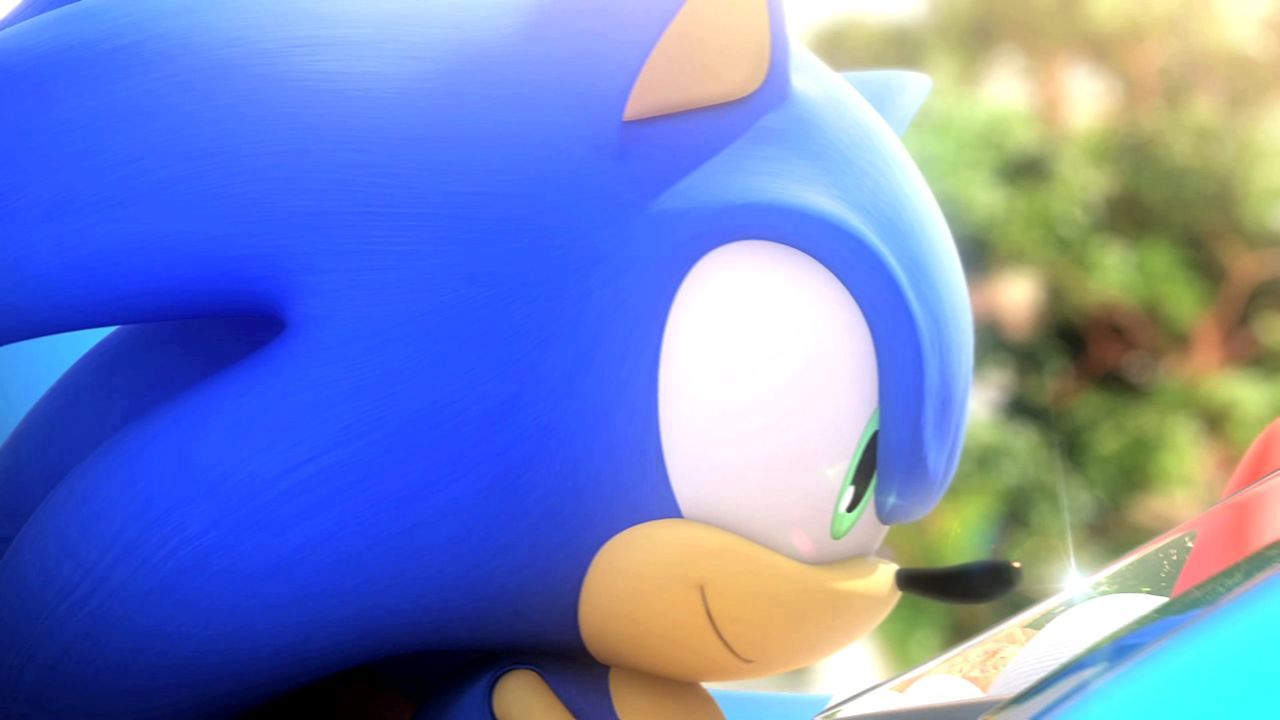
When a publisher asks you to make a copy of a classic hit, the expectation is usually safe: polished, familiar, and agreeable. But when Sega tasked Sumo Digital with creating Sonic & All-Stars Racing TransformedCollection>, they asked for something much bolder—a full-scale, joyful demolition of established console boundaries.
Released on January 31, 2013, this collection was more than just a racer; it was an audacious experiment that used the nostalgia of Sonic as a launchpad to invite a wild and unpredictable cast of characters into the high-speed arena. The result was an experience that proved you don’t need adherence to tradition to create something truly legendary.
The challenge lay in taking a beloved franchise and injecting it with pure, anarchic crossover potential. Instead of simply slapping other intellectual properties onto the surface, the developers decided to shatter the mold entirely. The core gameplay saw Sonic and his crew navigating stages where their vehicles transformed into planes and boats, offering dynamic movement and breathtaking speed.
But the true genius of the collection lay in the crossover lever. This feature allowed players to unleash a torrent of unexpected freedom, pulling in icons from wildly disparate corners of gaming history. Suddenly, you weren’t just racing as Sonic; you could inhabit the persona of the man from Shenmue>, pilot an OutRun cabinet character, or control AiAi from Super Monkey Ball> with a nostalgic gang sign.
This willingness to embrace absurdity was infectious. It wasn’t just about mixing characters; it was about breaking down the perceived barriers between gaming worlds. Imagine blending the high-octane thrills of racing with the unexpected chaos found in games like Crazy Taxi> or the quirky charm of arcade classics. The game dared to be weird, and that is precisely where its impact shone.
The success of the collection hinged on embracing the ridiculous possibilities. Players were given the freedom to engage with gameplay mechanics in entirely new, unexpected ways—from performing sick drifts across aircraft carriers as a tank general from Company of Heroes> to executing bizarre maneuvers involving bees and Roman centurions.
This narrative shift was powerful. It demonstrated that creativity thrives when rules are bent, not merely followed. By dismantling the notion of a fixed console brand and inviting disparate worlds into a unified experience, Sumo Digital achieved something far greater than just a racing game. They successfully took a beloved franchise and used it as an excuse to throw some serious, boundary-shattering fun onto the table.
The memory of this project remains a testament to the power of creative freedom—a reminder that sometimes, the most impactful games are those that choose to break all the rules.
Buy on Amazon
Credit