Space Marine 3 has no generative AI Saber promise
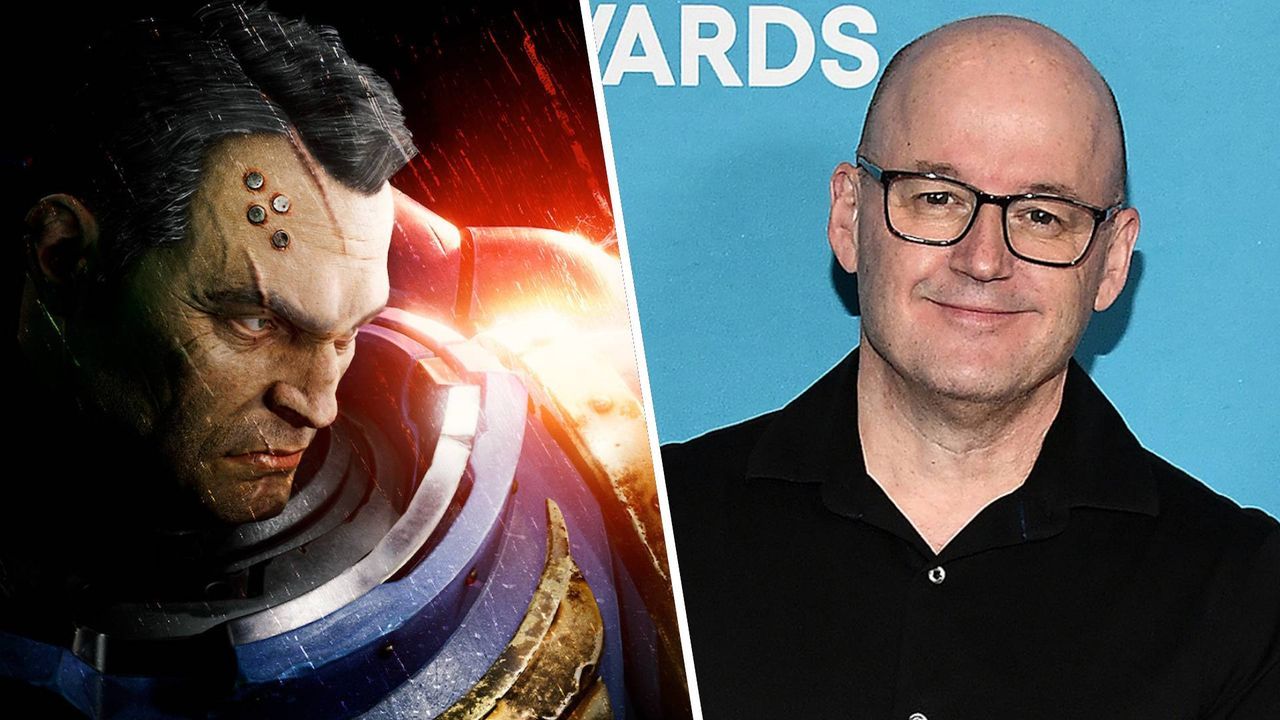
The AI Experiment: How Game Developers Are Navigating the Future of Creation
In an era where generative artificial intelligence is reshaping every corner of the digital landscape, the gaming industry is facing a fascinating dilemma: how to harness powerful new tools without sacrificing creativity or creative control. At the heart of this discussion is the question of where and how AI should be applied to game development, and the answers coming from the studio trenches are proving to be a mix of cautious experimentation and firm boundaries.
Tim Willits, the Chief Creative Officer at Saber Interactive, recently addressed these evolving discussions, drawing a clear line between large-scale commercial projects and smaller, experimental endeavors. He confirmed that for massive titles like the upcoming Space Marine 3, the studio is deliberately steering clear of generative AI in the core development process.
This stance reflects a growing awareness of the complexities involved, especially when dealing with intellectual property and licensing agreements. As development teams navigate the minefield of ownership and legal rights, caution is the default setting for big-ticket releases.
However, that doesn’t mean the studio is sitting on the sidelines. Willits and the wider team are firmly pro-AI, viewing the technology not as a threat but as an incredible tool waiting to be tested. Their approach is one of careful, measured experimentation, focusing on smaller, risk-free projects to gauge public reaction and technological viability.
For instance, they are exploring AI applications in smaller initiatives, such as their Rideshare Stimulator project. This approach allows the studio to “try it out” in a controlled environment, allowing them to see what the public enjoys and where the technology truly shines before committing to a massive overhaul.
This philosophy is a pragmatic response to the broader industry conversation. While giants like Games Workshop maintain strict internal rules against genAI use in their products and advertising, rival entities show a greater willingness to engage with the technology. Yet, for Saber, the focus remains on controlled innovation.
Willits suggests that if you are going to experiment, you might as well dive in. He posits that anyone claiming to have fully figured out AI development is likely mistaken, suggesting that true understanding will come through iterative effort over time.
Beyond specific development tactics, Willits also offered a broader commentary on the state of the gaming business. He connects the current economic challenges—layoffs, hardware price inflation, and industry instability—to the overspecialization of smaller studios. While acknowledging the difficulties, he maintains an upbeat view, arguing that despite the current pressures, the industry remains a great place to be.
Looking back at the history of the industry, Willits believes that if the original innovators of gaming had access to generative AI when they first entered the scene, they would have embraced it aggressively. The future of gaming isn’t about avoiding new technology; it’s about thoughtfully, creatively, and responsibly integrating it into the awesome world we are building.
Buy on Amazon
Credit