SpaceX makes turbine blades in-house to boost AI power and cut delays
The relentless hunger of artificial intelligence is demanding unimaginable amounts of power, and right now, the bottleneck isn’t the chips themselves—it’s the electricity supply. As data centers rush to turn on, the sprawling infrastructure needed to power the next generation of AI is struggling to keep up, turning a seemingly simple energy crisis into a complex global race for resources.
The sheer appetite of AI is straining the U.S. electricity grid, making reliable power a limiting factor in bringing massive data centers online quickly. To circumvent frustrating wait times and connect to the grid faster, tech giants like Meta, XAI, and OpenAI are turning to an unconventional solution: portable natural gas turbine generators. These mobile power units are being deployed to bypass grid constraints and provide immediate energy for critical AI projects.
Elon Musk has been at the forefront of this effort. Demonstrating how quickly energy can be deployed, he successfully used these portable power generators to power the Colossus data center in Memphis, Tennessee, bringing it online in a mere 19 days—a process that normally takes years. This move underscores the urgency of the situation: AI development demands speed, and waiting for traditional power infrastructure simply won’t cut it.
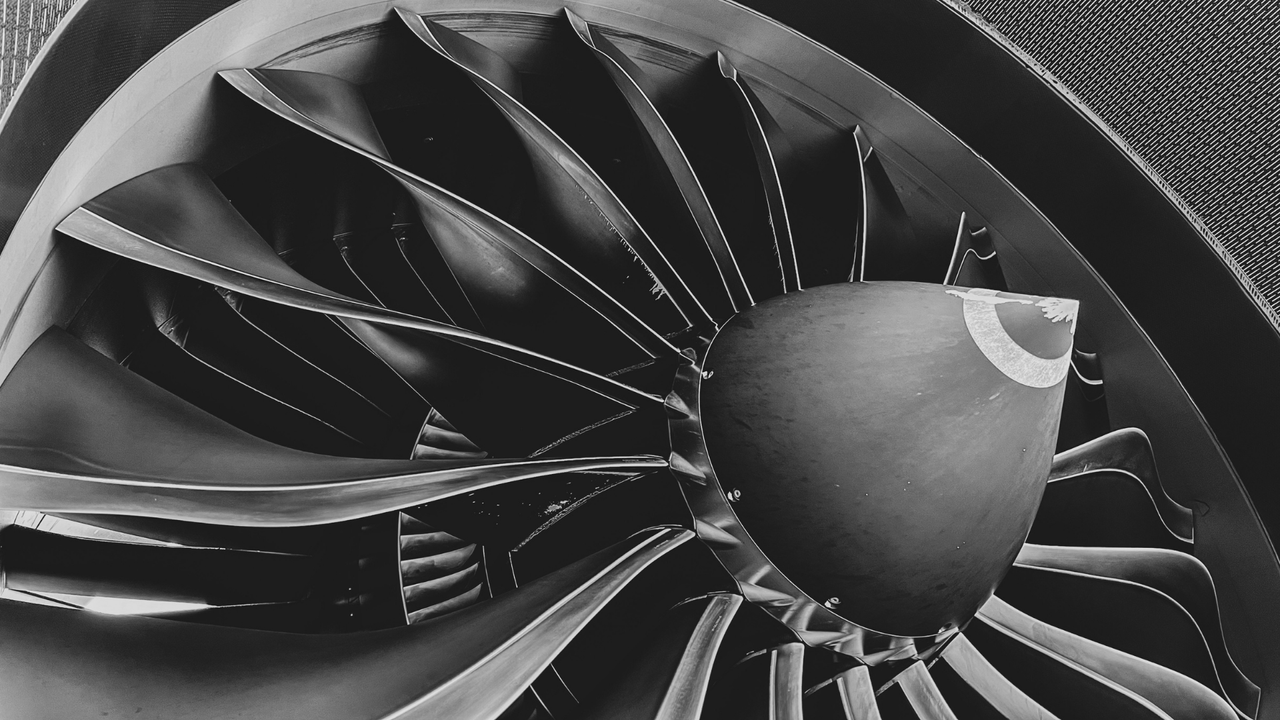
But this rapid expansion of demand has created a startling secondary crisis: a shortage of jet engine components. The manufacturing of turbine blades and vanes—complex parts requiring specialized processes and lengthy production cycles—is now proving to be the most significant bottleneck in the entire jet engine supply chain. Even if these components were for stationary generators, their production time remains incredibly long, often stretching into months.
This manufacturing hurdle presents a massive obstacle for the renewable energy solutions being pursued by companies like SpaceX and Tesla. While these firms are aggressively building solar capacity, the need for natural gas to supplement and bootstrap this energy infrastructure remains critical for several years. The limiting factor for scaling up turbine production is not just energy, but the complex, time-consuming process of manufacturing the physical components.
Recognizing this deep structural challenge, Musk appears intent on solving it by taking control of the supply chain. He reportedly spent an estimated billion dollars acquiring a fleet of portable gas and diesel turbines, potentially to capitalize on the energy boom. Furthermore, he is looking to tackle the most difficult manufacturing problem by pushing SpaceX to develop in-house casting for turbine blades and vanes. This ambition aims to dramatically cut delivery times for essential generators, potentially allowing next-generation AI projects to accelerate far beyond the current grid limitations.
Buy on Amazon
Credit