SpaceX replaces illegal turbine generators with 1.2GW power plant
The Cost of Speed: How Elon Musk’s AI Power Plants Are Facing the Environmental Reckoning
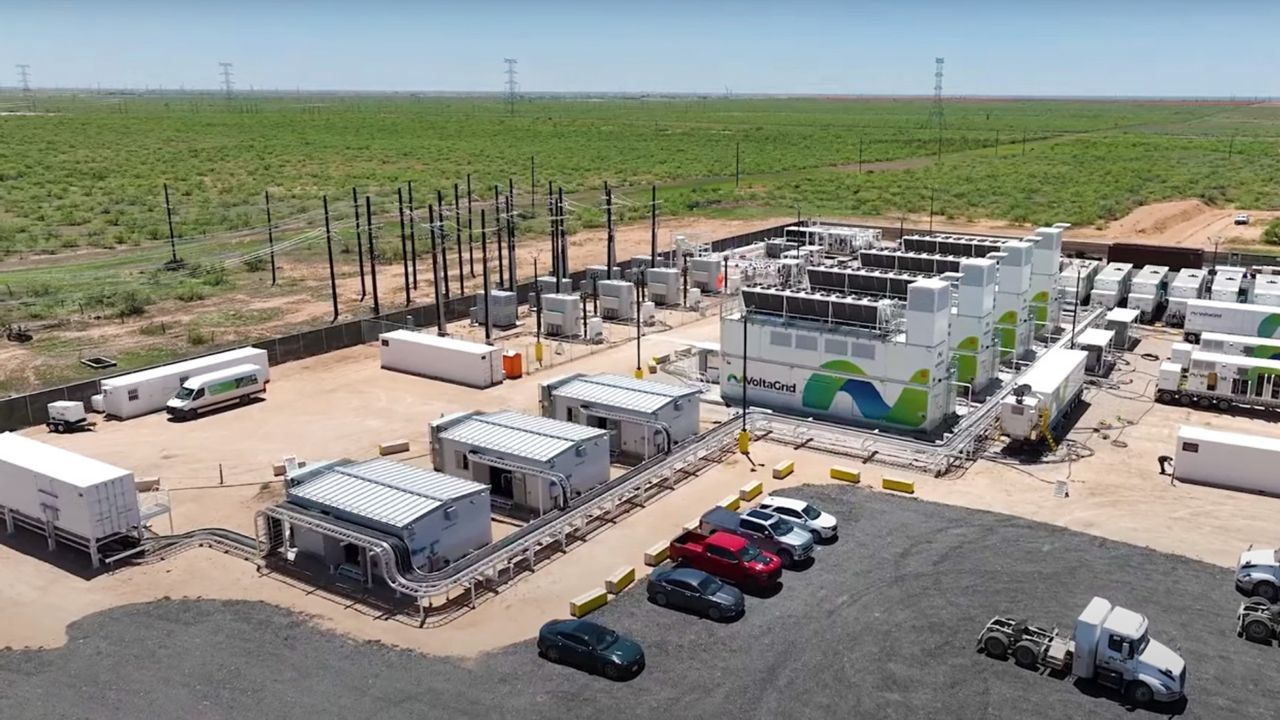
The race for artificial intelligence has always been defined by raw speed, and recently, that ambition has spilled over into a high-stakes battle over power sources. When Elon Musk sought to power his massive Colossus data centers—some of the fastest AI deployments in history—he opted for a novel solution: deploying thousands of mobile, trailer-mounted natural gas turbines to sidestep traditional electricity constraints.
This strategy allowed SpaceXAI to achieve staggering feats, such as setting up 100,000 Nvidia H200 GPUs in just 19 days—a feat that typically takes much longer. By bringing their own power, the company bypassed reliance on the grid and demonstrated how portable power could accelerate the development of next-generation AI infrastructure.
However, as these massive data centers grew, so did the scrutiny over the environmental and legal implications of this rapid deployment. The temporary mobile turbines, while innovative in concept, quickly became a focal point for local communities concerned about pollution and operating without necessary permits.
The controversy deepened when lawsuits were filed against the operation, alleging that these unpermitted units caused significant pollution. While the company argued that their temporary nature exempted them, regulatory bodies disagreed. The Environmental Protection Agency (EPA) stated that these units are not exempt from required permits, creating a friction point between cutting-edge technology and environmental compliance.
The conflict escalated into legal battles involving groups like the NAACP, which pursued action over the lack of proper permissions for the turbines. The Department of Justice weighed in, suggesting that removing the equipment could risk national security by impacting mission-critical operations housed at Colossus 2.
Despite these legal hurdles, a resolution began to emerge. It appears SpaceXAI has reached an agreement with the Mississippi Department of Environmental Quality. The focus shifted toward the long-term solution: replacing the mobile units with a centralized, approved power plant. This replacement facility is now being developed under a Clean Air Act permit.
Furthermore, the company committed to mitigating environmental concerns by equipping all future mobile turbines with advanced emission control technologies. This move signals a shift from merely operating infrastructure to actively managing its impact, aiming to ensure that the pursuit of AI speed doesn’t come at the expense of environmental responsibility.
Buy on Amazon
Credit