SpaceXAI deploys Nvidia Vera CPUs for Grok in space
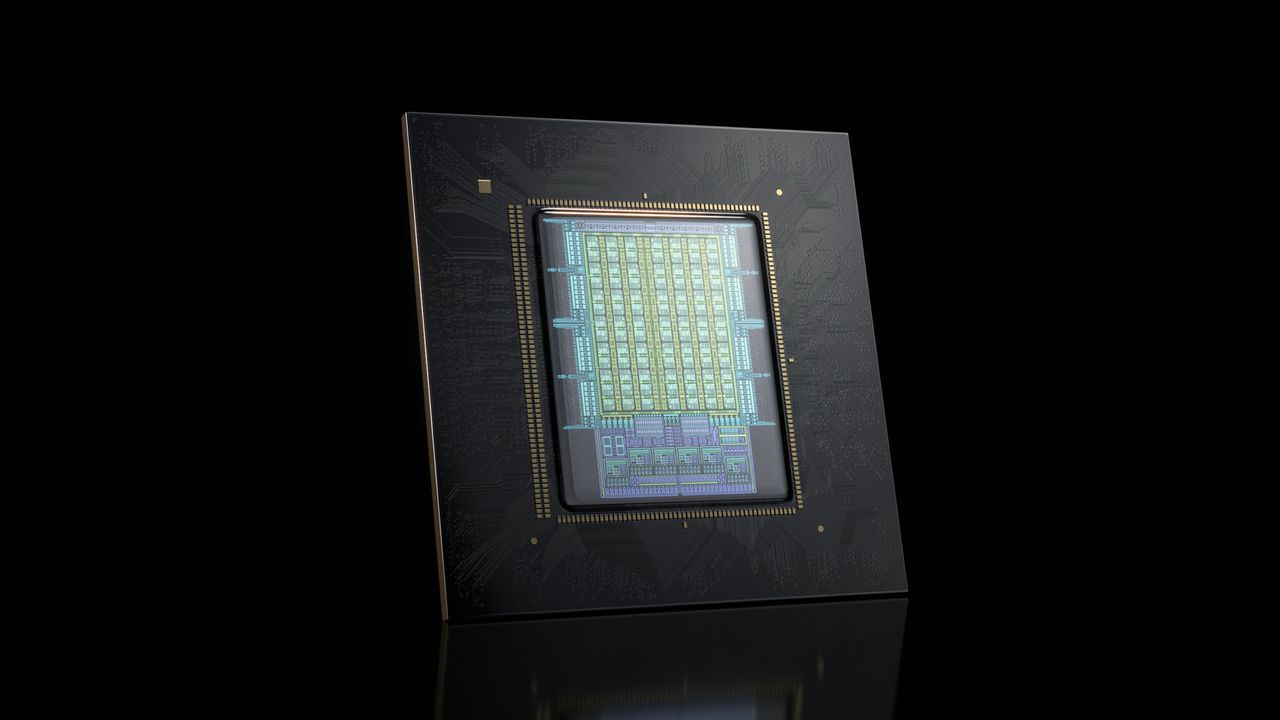
Nvidia’s Vera Chip Powers the Next Frontier of Agentic AI in Space
The race for the next generation of artificial intelligence compute is taking place at the intersection of hyperscale data centers and orbital mechanics. Nvidia is leading this charge, deploying its specialized 88-core Vera chip to underpin some of the most ambitious projects in the tech world, setting the stage for a revolutionary shift in how AI agents operate at massive scale.
This powerful chip isn’t just another piece of silicon; it’s designed to handle the intricate orchestration required for truly agentic AI. In a partnership with SpaceXAI, the Vera chip is being used as the standalone CPU, managing Grok’s AI agents within SpaceXAI’s vast data centers. This move addresses a fundamental bottleneck in AI processing: the need for powerful CPU performance to manage data flows and execute complex tasks without bogging down the dedicated GPUs that handle the heavy computational lifting.
The genius of the Vera architecture lies in its focus on orchestration. As experts note, AI agents spend much of their runtime coordinating actions—writing code, querying databases, and parsing results. This process relies heavily on the host CPU, making it the critical nexus for every inference pass. By providing the necessary CPU performance and memory bandwidth, the Vera chip ensures that GPUs remain focused on their core strength: massive parallel processing.
Nvidia claims that this specialized design allows Vera to complete agentic, reinforcement learning, and data processing tasks up to 1.8 times faster than traditional x86 processors. While this figure remains a highlight, the focus is on the system-level benefit: maximizing the efficiency of the entire AI workflow.
The scope of this collaboration extends far beyond terrestrial data centers. The deployment targets include the future of space. Starting in the fourth quarter of 2027, the Vera chip will be integrated into SpaceX’s first Starmind satellite, bringing cutting-edge compute into orbit. This vision involves a space-optimized Vera Rubin NVL72 system, which combines 72 Rubin GPUs and 36 Vera CPUs in a fully liquid-cooled rack designed for the harsh environment of space.
This ambitious plan demonstrates how compute is evolving from a static, rack-based deployment to a dynamic, multi-environment system. The ultimate goal is to push the boundaries of what is possible, whether that means accelerating complex AI decisions on Earth or enabling advanced computing in the vacuum of space.
Buy on Amazon
Credit
