Spector bitter studio ignored Oswald’s comeback
The Right to Be Remembered: Why Creators Fight to Save Their Legends
When major studios unveil new content, excitement is inevitable. Yet, when that content involves beloved characters, excitement often gets complicated by a nagging sense of history and ownership. This tension was recently highlighted by Warren Spector, a creator known for landmark works like Epic Mickey, as Disney prepares to bring Oswald the Lucky Rabbit back to the spotlight through an upcoming miniseries.
While Spector expressed genuine anticipation for the upcoming project, he also voiced a significant frustration: the feeling that the history surrounding Oswald has been overlooked. This is a common, yet fiercely felt, concern among creators who strive to ensure that the foundational works and original creative efforts are properly credited.
The context for this frustration is rooted in the complex history of Oswald himself. The character, created in the 1920s, was lost by Walt Disney shortly after its creation, leaving him in a state of obscurity. Though Disney eventually reacquired the rights in 2006, the journey between the character’s origin and its modern cinematic and gaming presence is full of competing narratives.
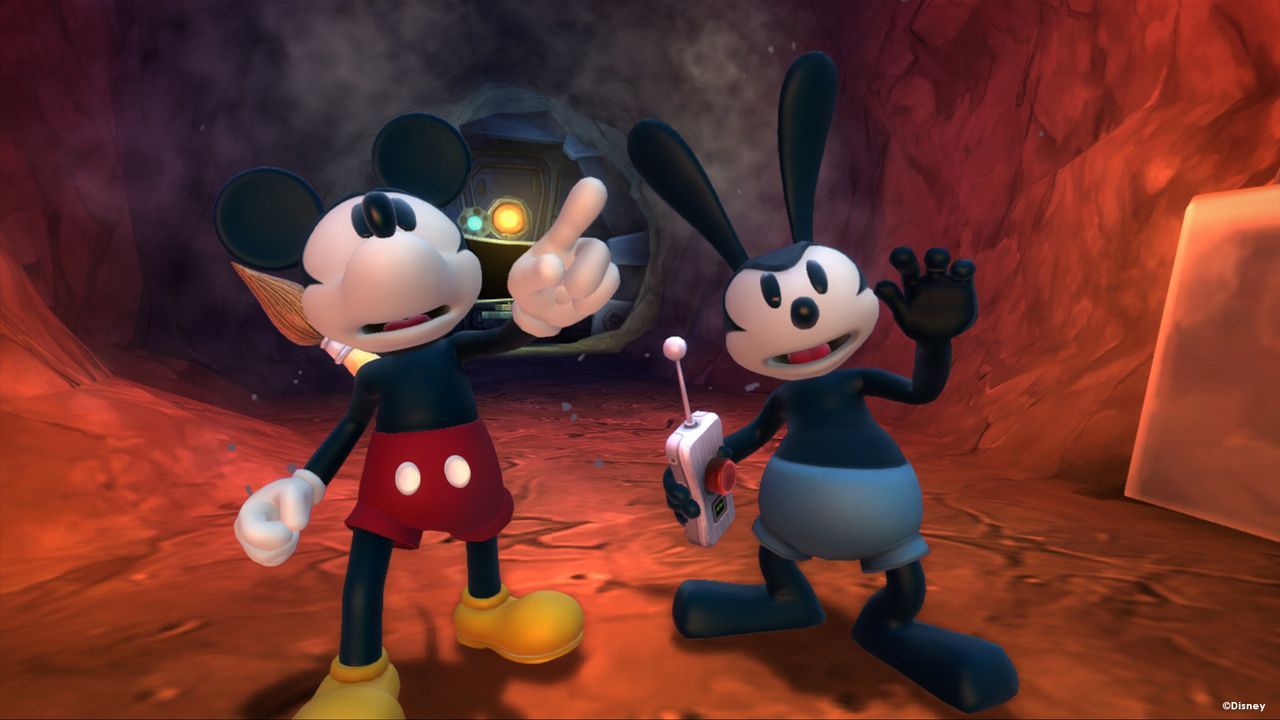
Spector argues that the retrospective focus on Oswald risks overlooking the vital role that game developers played in bringing the character back into the public consciousness. In the world of video games, the team behind Epic Mickey didn’t just feature Oswald; they gave him depth and life.
The developers at Junction Point used Oswald as a major component in their games. In Epic Mickey (2010), Oswald was featured in his first role as a Disney character since 1928. Two years later, in Epic Mickey: The Power of Two, the team brought the character a voice, thanks to Frank Welker, and gave his paramour, Ortensia, a distinct personality and role. These creative additions, which added layers of complexity, date from the creators, not the studio.
Despite the quality of the concept art, the original Epic Mickey games did not achieve the commercial success their visual appeal suggested. Nevertheless, the narrative Spector champions is one of recognition: the team deserves credit for the foundational work they performed in reviving this classic figure.
The challenge now is ensuring that as the Oswald series moves toward fruition—with a debut anticipated around 2027—Disney makes a genuine effort to recognize the creative lineage. Spector’s plea is clear: it is crucial that the history of the character is accurately reflected, ensuring that the legacy of the creators is celebrated alongside the studio’s endeavors.
Buy on Amazon
Credit
