SSD makers claim empty stock as record profits roll in
The AI Scramble: Why Your Dead Tech is Being Played With
When you invest in high-end computer components, you expect peace of mind, especially when things inevitably go wrong. But lately, the promise of extended warranties and reliable replacements feels less like a guarantee and more like a corporate illusion. The recent chaos surrounding memory and storage has exposed a frustrating reality: in the scramble for AI-fueled profits, major manufacturers are actively working to minimize customer recourse, turning broken hardware into expensive headaches.
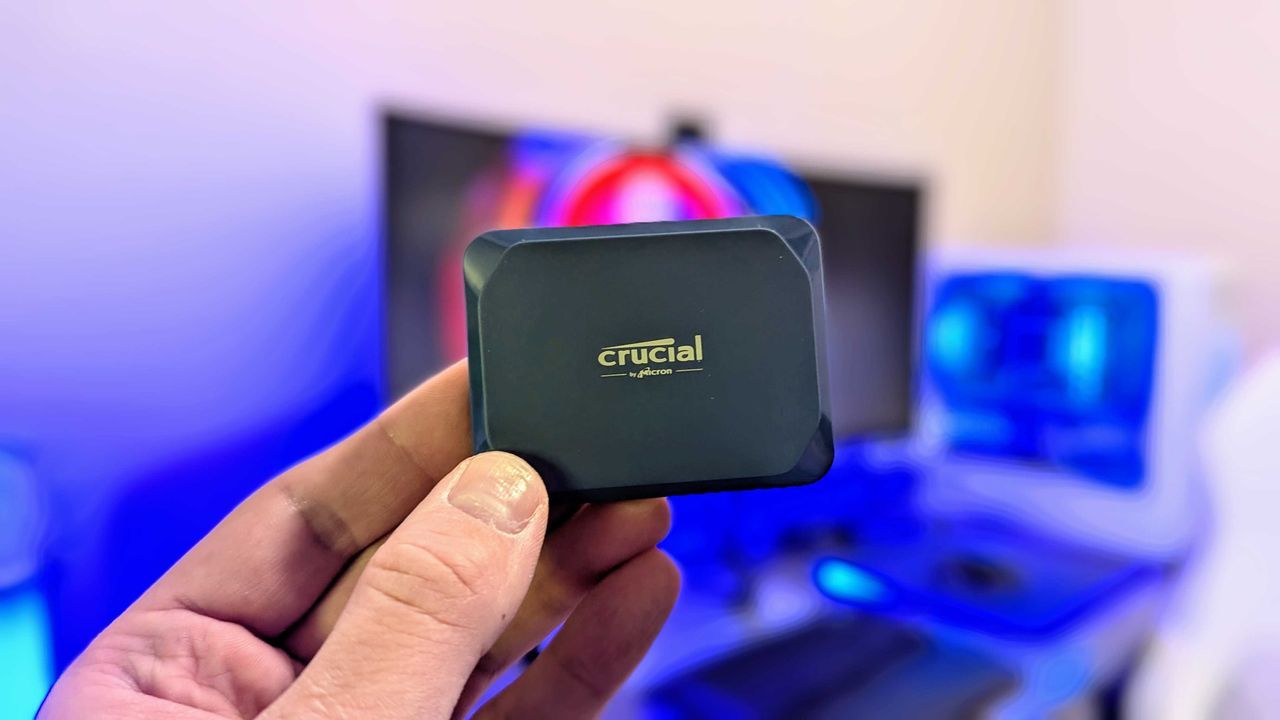
The story begins with storage. We’ve seen reports of customers with external solid-state drives simply failing at a fraction of their advertised lifespan. One user reported that a high-capacity drive died at just one percent of its expected life, not from wear, but seemingly from a deliberate refusal by the company to honor its promises. When these failures occur, the typical path to resolution is blocked. In one instance, a customer seeking a replacement drive was met with an absurd refusal, with the manufacturer citing that production of M.2 NVMe drives had ceased entirely, leaving the consumer with only a refund—a figure far short of the market value for the faulty component.
This pattern extended to memory. The same manufacturers have been caught pulling warranty tricks on RAM, offering customers a pittance for faulty kits. Instead of receiving fair compensation for a defective DDR5 kit, some were offered only a fraction of the market value—less than twenty percent—even when only a single stick was faulty. This isn’t just a random glitch; it suggests a systemic strategy where warranty obligations are treated as obstacles to maximizing AI-era profits.
The situation is not isolated to one company. Competing giants in the memory and storage sector, such as SK hynix, have also faced scrutiny for similar practices, withholding replacements and lowballing warranty claims. This collective action highlights a larger systemic issue: the massive financial gains from the AI buildout seem to be prioritized over supporting the consumer base that fuels the industry.
When these corporate moves become untenable, pressure eventually forces change. A high-profile legal battle involving a customer and a major player demonstrated that public outcry can indeed shift corporate behavior. For example, a customer pressing a manufacturer resulted in a settlement where the company agreed to pay the current market value for faulty hardware, ensuring the consumer could secure a replacement without financial loss.
This narrative is a stark reminder that while technology races forward, consumers must remain vigilant. As component shortages persist and the market is flooded with speculative AI pricing, it is crucial to bypass manufacturer warranties when necessary. Exploring third-party retailers offers an alternative path to ensuring you get the hardware you need, regardless of what the original warranty promises.
Buy on Amazon
Credit