
Standardized ISS chargers reduce weight and failures
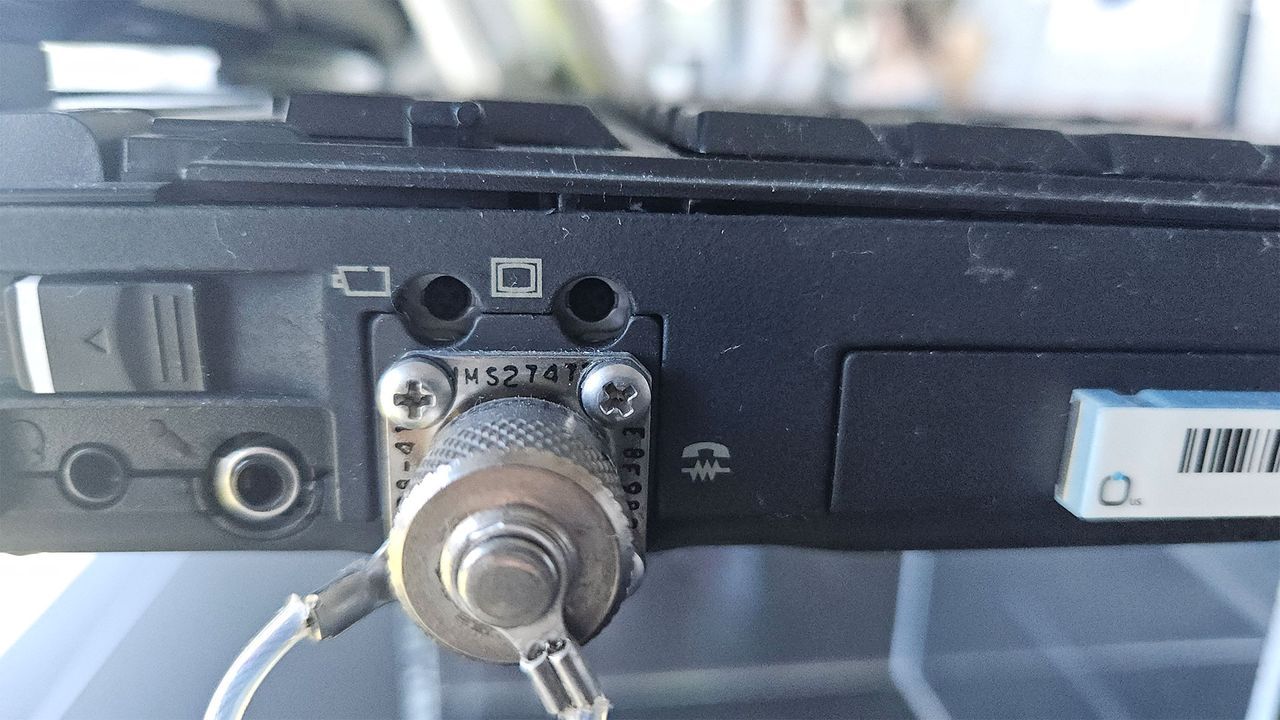
Operating in orbit demands absolute precision, which is why engineering for space isn’t just about weight and aerodynamics—it’s about every single connector. When it comes to the International Space Station (ISS), NASA made a crucial decision to ensure that all laptops destined for flight shared a single standard: a universal power connector.
This move eliminated the headache of managing a multitude of different chargers, streamlining operations immensely. Instead of juggling various power adapters, astronauts could plug their equipment directly into the onboard DC power outlets in a standardized fashion. This standardization isn’t just a convenience; it reflects the meticulous requirement that in space, every gram and every component failure mode must be accounted for.
The modification involved removing obsolete ports. Laptops intended for use on the ISS featured built-in telephony modem ports, which were entirely unnecessary for mission operations. NASA replaced these ports with the standardized power connection you see today—a practical solution that prioritizes function over legacy hardware.
This necessary alteration was a smart move dictated by the realities of space travel. While historical context exists—the ISS began docking in 2000, when modems were still essential for early PCs—the environment demands efficiency. The focus shifted away from outdated networking protocols, such as Ethernet, and toward robust communication systems like the MIL-STD-1553 system.
The work of specialized contractors, including Lockheed Martin, was key to implementing these changes across various machines taken into orbit, ensuring that the hardware could withstand the rigorous demands of the space environment.
Beyond the technical specifications, this story touches on a fascinating paradox: while we strive for eternal digital memory, the history of the internet itself is increasingly fragile. As technological booms and storage pressures intensify, even our archived digital records risk vanishing. Engineers and enthusiasts are now grappling with the challenge of preserving vast amounts of online history in an era defined by soaring storage costs.
Meanwhile, the hardware used on the ISS continues to evolve. In April 2026, the crew sees the arrival of newer technology, with HP sending over more than 100 workstations featuring cutting-edge components like Core Ultra 9 processors and RTX Pro Blackwell graphics. These new systems are designed not only for the ISS but also for seamless operation back on Earth.
These modern space-grade laptops are equipped with universal AC/DC power adapters, designed to function reliably across both the demands of orbital flight and terrestrial use. The evolution of technology in space is a powerful reminder that innovation requires finding universal standards, whether you are connecting data or delivering power.
Buy on Amazon
Credit