Star Wars Zero Company’s permadeath beats most RPGs
The Cost of Living: Why Permanent Loss Makes Star Wars Zero Company a Masterpiece
When a game manages to successfully merge the sprawling narrative ambition of a role-playing game with the tight, unforgiving mechanics of a strategy title, it achieves something truly special. Star Wars Zero Company is one such achievement. It doesn’t just offer the familiar setting of the Star Wars galaxy; it offers a radically different philosophy on character, consequence, and the sheer brutal reality of survival.
It’s easy to see the lineage here, as the game borrows heavily from the structure of tactical games, evoking the methodical, calculated approach of titles like Mass Effect. Yet, what sets Zero Company apart is its refusal to stick to established RPG norms. Instead of relying on branching dialogue and minute reactivity, the game embraces a stark, personal form of consequence: permanent loss. This is where the true genius of the design shines.
In Zero Company, every tactical decision carries an immense weight. If an operator is knocked down three times without immediate medical attention, they are gone. There are no do-overs, no stay-at-the-medbay options—just an undeniable, irreversible end. This system transforms combat from a series of skirmishes into a high-stakes calculation, forcing players to engage with loss in a way that is far more visceral than simple health bars.
This focus on permanent consequence fundamentally shifts the dynamic of the experience. Unlike many narrative-heavy RPGs where choices feel somewhat flexible, Zero Company ensures that the bonds you form and the companions you rely on are truly at risk. Losing a squadmate isn’t just a loss of an NPC; it’s a genuine, personal defeat that colors every subsequent tactical move.
While many love the agency offered by moral dilemmas—like the grim choices in Cyberpunk 2077 or the complex morality of Disco Elysium—Zero Company offers a different kind of depth. It trades the uncertainty of dialogue for the certainty of physical stakes. The consequence here is immediate, tangible, and entirely tied to the battlefield.
The game’s success lies in this unique melding of systems. It demonstrates that a focus on tactical combat, rather than endless moral choice, can result in a more profound form of narrative impact. The player is not just making decisions; they are managing a finite resource—their crew—and the stakes feel intensely personal.
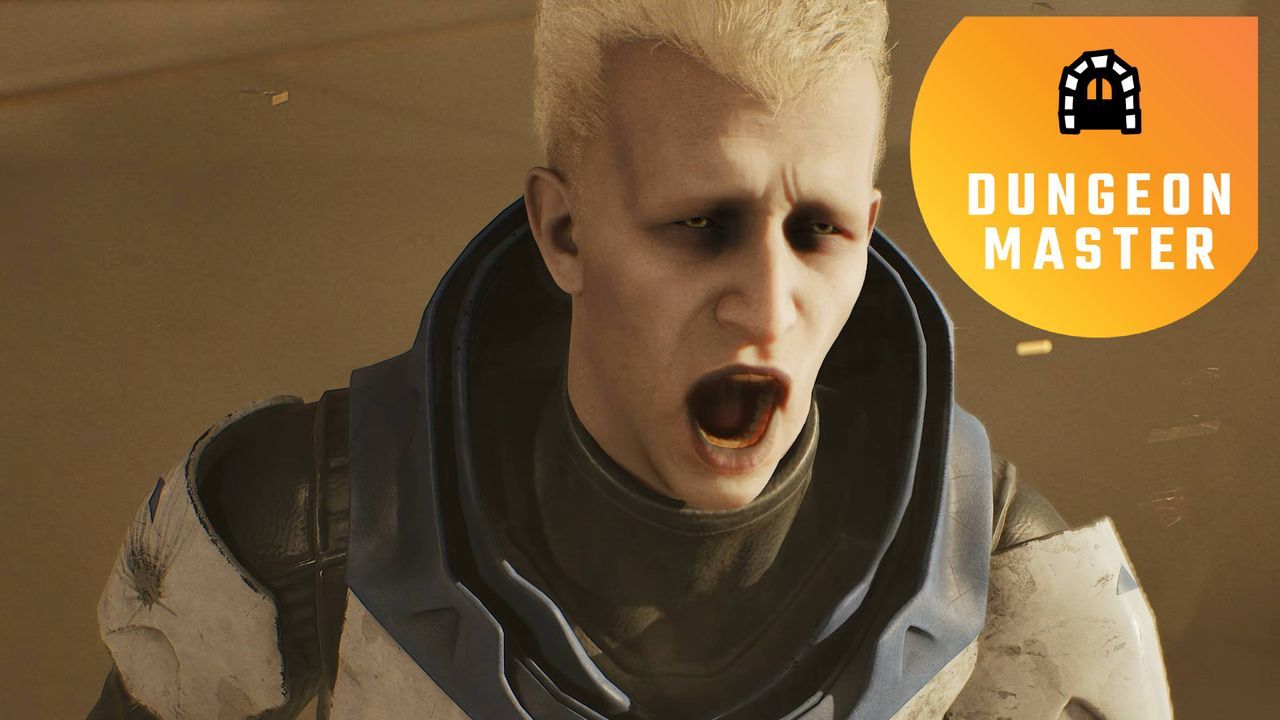
The companion storylines, particularly those involving characters like Clone Trooper Trick, are masterfully interwoven with these high-stakes mechanics. The challenge becomes not just winning the battle, but managing the delicate, terrifying reality of keeping your team alive. This systemic approach to storytelling, where the gameplay actively reinforces the narrative, is rare and incredibly compelling.
Ultimately, Zero Company stands as a phenomenal first outing in a field hungry for deeper interaction. It proves that by tightly fusing strategy with devastating consequence, developers can create experiences that are not only brilliantly designed but also profoundly memorable. The question now is whether the next evolution of this blend will push the boundaries even further.
Buy on Amazon
Credit