Steam Deck 2 performance update and memory focus
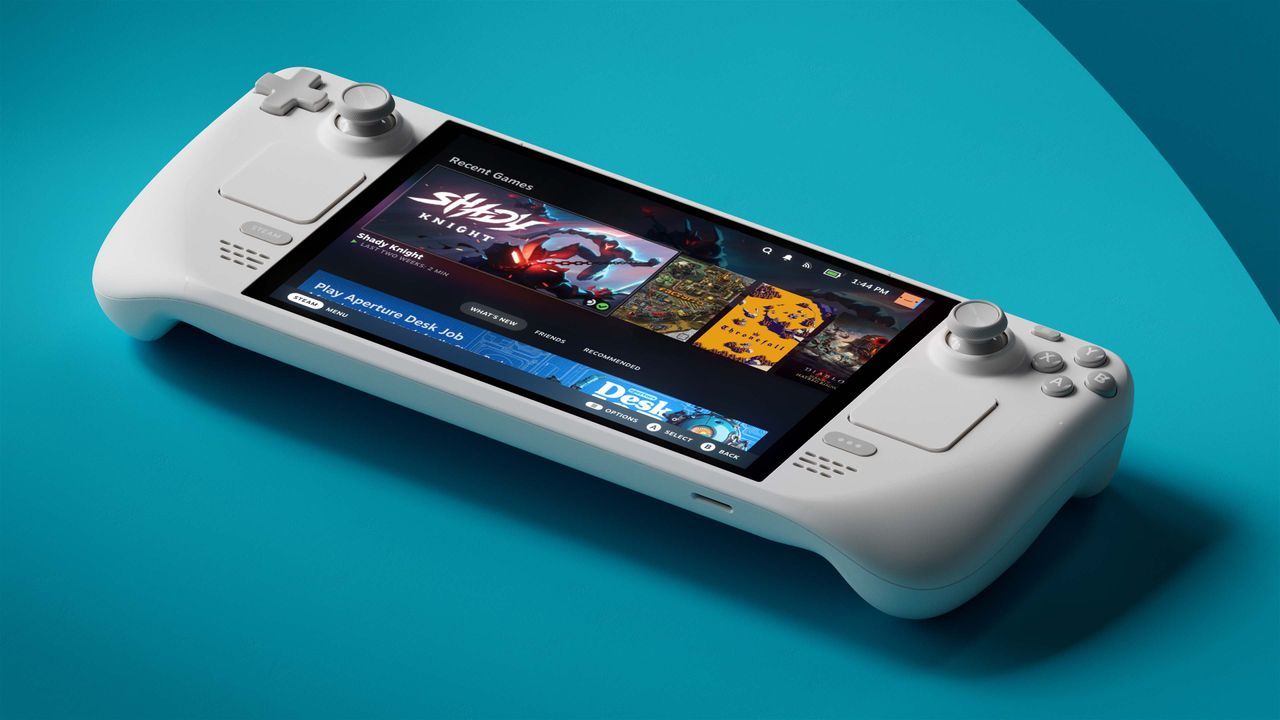
With the recent wave of innovation from Valve, gaming hardware has been buzzing. We’ve seen the launch of the Steam Controller, the full Steam Machine, and the striking Steam Frame VR headset, marking a year chock-full of new peripherals and experiences. But with this hardware explosion, the inevitable question looms: what is Valve cooking up next—the Steam Deck 2?
Valve has been diligently working on its next handheld gaming PC, a project that has been underway for years. While the anticipation is high, the timeline for a launch remains elusive. It’s a fascinating paradox: even amidst a massive technological push, Valve seems to be deliberately avoiding a rush, prioritizing what they call a “generational leap in performance” for its successor.
This measured approach is perhaps a direct response to the global economic backdrop. While Valve is focused on the next generation of gaming, the broader tech world is grappling with a far more immediate, and perhaps more frustrating, bottleneck: the relentless memory supply crisis. The RAMpocalypse is real, and prices have soared, creating significant pressure on manufacturers and developers alike.
Despite the soaring costs, the memory shortage hasn’t derailed Valve’s ambitious plans for the Steam Deck 2. Valve engineer Pierre-Loup Griffais noted that the memory supply crunch has “not really” affected the company’s strategy. This suggests a firm belief that while the environment is challenging, the team is focusing on how and when they can deliver a superior user experience rather than being sidelined by supply chain woes.
The strategy appears to be one of patient engineering. Valve aims to ensure that the Steam Deck 2 delivers a genuine performance upgrade, setting a high bar that justifies any delay. This strategy is further underscored by the reality of the market: the cost of the original Steam Deck has seen a dramatic jump, now retailing for $949 for the 1TB model.
As the future of memory supply remains uncertain, the timeline for the Steam Deck 2 is inextricably linked to the semiconductor industry’s recovery. While Valve is focusing on the next device, the broader memory market is still predicting prolonged supply constraints. Some industry forecasts suggest that even with surging Chinese capacity, the memory crisis might not be fully resolved until late 2027 or even 2030, given that consumer demand is expected to continue outstripping supply.
So, while the hardware world is rapidly evolving with Valve’s latest releases, the path to the Steam Deck 2 looks less like a sprint and more like a marathon. It seems Valve is betting that a significant performance jump will eventually triumph over supply chain complexities, leaving us to wait, perhaps, until the next generation of hardware is truly ready to roll.
Credit