Steam Deck sales plummet 80% after price hikes
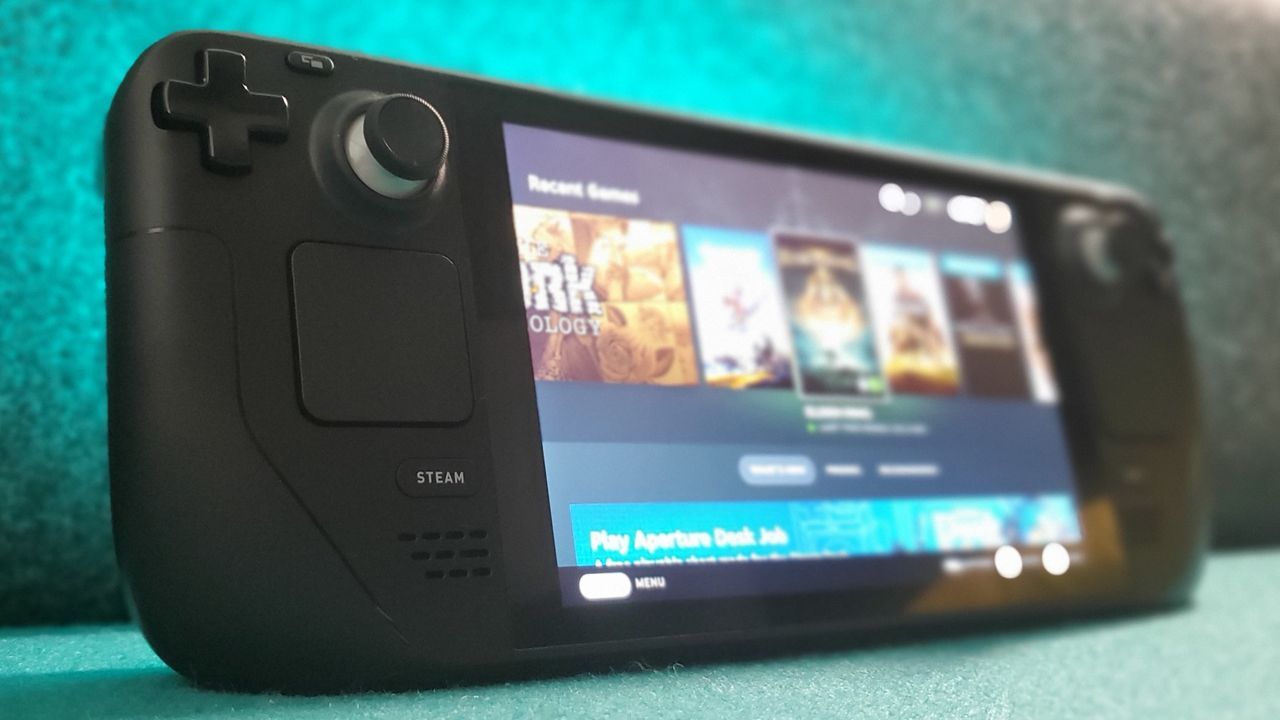
The Steam Deck, once heralded as a budget champion and a revolutionary entry point into PC gaming on the go, is now facing a stark reality: its status as a market leader has evaporated. What began as an exciting piece of hardware has become a case study in how rapidly market conditions and pricing can redefine a product’s value proposition.
Earlier this year, Valve adjusted the price for the handheld device, pushing it into a new tier of cost. For example, models now command prices reaching up to $949 for a 1TB configuration. This significant increase immediately triggered serious concerns about consumer demand and market viability.
When analysts looked at the resulting sales data, the picture became stark. Estimates suggest that following the price adjustments, weekly units sold plummeted by approximately 80 to 82 percent. This rapid decline signaled a substantial erosion of consumer interest in the device.
The figures paint a troubling picture for revenue as well. One analysis suggests a drop in gross revenue of about 72% following the price hike, characterizing it as a complete collapse in total sales. If pre-increase weekly sales were estimated between 11,000 and 18,000 units, projections suggest that by mid-2026, weekly sales could drop to just 1,400 to 3,000 units.
This contraction of demand, combined with the price increases, led some observers to conclude that the market for the Steam Deck had effectively shut down. The combination of a 54 percent price increase and massive sales contraction demonstrated that the initial appeal of the device was not enough to sustain its presence in the current economic landscape.
Beyond the specific concerns about the Steam Deck, this downturn reflects broader challenges facing the handheld gaming sector. While hardware innovations continue—such as Intel’s Arc G3 offerings and MSI’s Claw 8 EX AI+—the larger economic forces of the time have tarnished what was once an excellent entry point for mobile gaming.
The underlying issues stem from systemic pressures, including the ongoing memory crisis and soaring component prices, exacerbated by global shipping uncertainty and surging costs for raw materials like copper. This environment is making it challenging for manufacturers to sustain high-end hardware pricing.
Other handheld contenders are also grappling with similar realities. For instance, some competitors have been forced to suspend pre-orders or hike prices to cover the escalating costs of memory and storage, indicating that holding onto a premium form factor requires constantly adjusting to market inflation.
Ultimately, while fans who invested in the Steam Deck early on may feel justified in their purchase, the overall trajectory suggests that Valve and other hardware providers are navigating a difficult path. The question remains whether this new reality—where high prices meet diminished demand—makes the handheld form factor a sustainable category, or if it will remain strictly a niche for the well-heeled.
Buy on Amazon
Credit