Steam Frame faces delay as Qualcomm raises chip prices
The Price of Progress: How a Chip Hike is Changing the VR and PC Landscape
A major shift is reportedly coming from Qualcomm, the powerhouse behind the Snapdragon chips that power everything from smartphones to Windows on Arm laptops and virtual reality headsets. Starting September 1st, the company is raising prices by double digits, sending ripples of concern through the hardware world, particularly for ambitious projects like virtual reality and emerging operating systems.
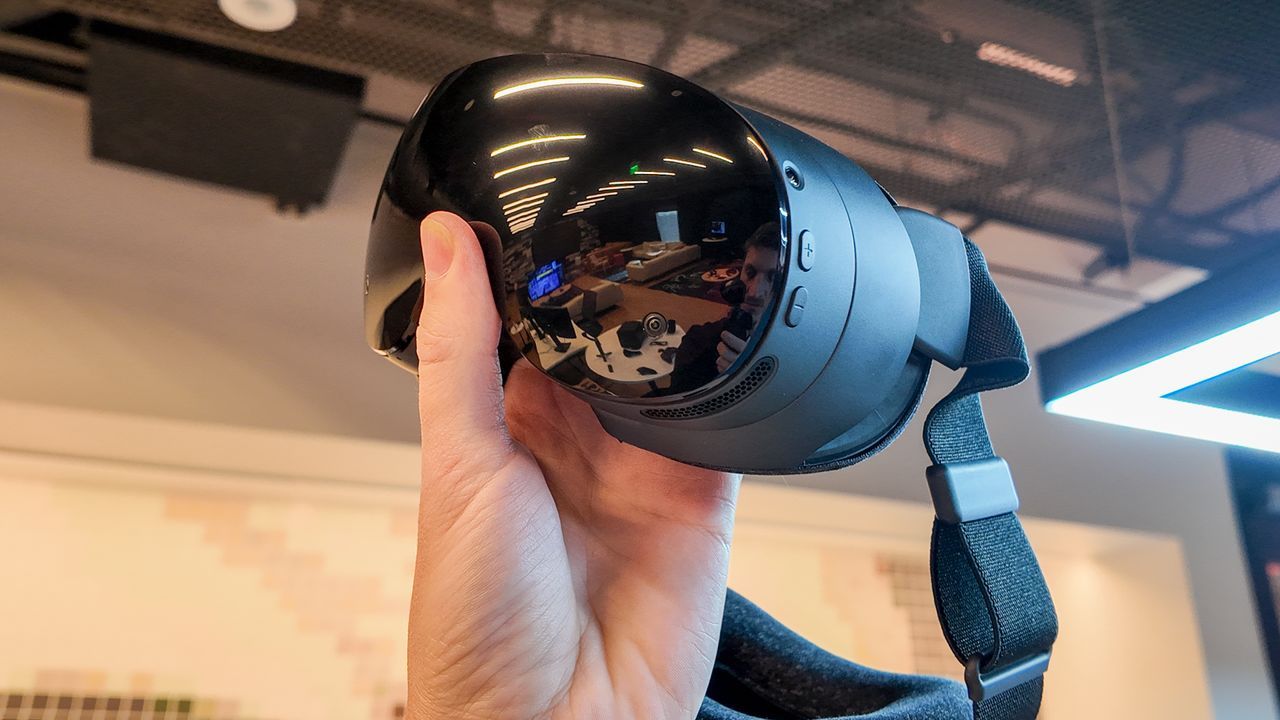
This strategic move immediately casts a shadow over innovative hardware plans, especially those reliant on Qualcomm’s silicon. Consider the exciting realm of VR, exemplified by Valve’s Steam Frame, which is set to launch soon using a Snapdragon 8 Gen 3. This device promises seamless game streaming via special foveated technology, pushing the boundaries of immersive experiences. However, rising component costs threaten the viability of these cutting-edge systems.
The potential impact is significant. While Valve maintains a stockpile of headsets and aims for efficiency, the reality of hardware inflation means that any price increase puts pressure on the entire ecosystem. This financial squeeze affects all parties involved in developing high-end computing solutions.
Beyond VR, this cost adjustment hits broader trends like Windows on Arm. The operating system is currently gaining traction as a viable path for powerful mobile chips, and its future hinges not just on technological prowess but also on maintaining competitive pricing. With the memory crisis continuing to plague the industry, ensuring that these new architectures remain accessible is paramount.
The underlying tension stems from a wider global supply chain struggle. Qualcomm operates within a market increasingly defined by the scarcity of memory and storage chips—a shortage exacerbated by the demands of Artificial Intelligence. This systemic bottleneck forces companies like Qualcomm to navigate difficult choices, often resorting to complex sourcing and making financial adjustments to manage costs.
This situation is further contextualized by the competitive landscape. While Qualcomm faces challenges in the hardware market, it operates alongside giants like TSMC, who are also managing their own price hikes while navigating similar supply chain pressures. The memory crisis makes it incredibly difficult for manufacturers to source components at reasonable quantities and prices.
Despite these headwinds, the narrative around mobile computing processors is vibrant. Qualcomm has recently demonstrated impressive capability in gaming with its X2 Elite chips and continues to push forward with Windows on Arm, positioning these chips as fierce contenders against traditional x86 processors. There is genuine potential for these ARM-based designs to take the lead in the next generation of hardware.
Ultimately, the story of rising chip prices is a reminder that technological leaps must be balanced by economic reality. For the visionary worlds of VR and mobile computing to fully flourish, the industry must resolve the memory crisis so that innovation is not stifled by escalating hardware costs.
Buy on Amazon
Credit