Steam Frame reignites PCVR excitement during slow VR period
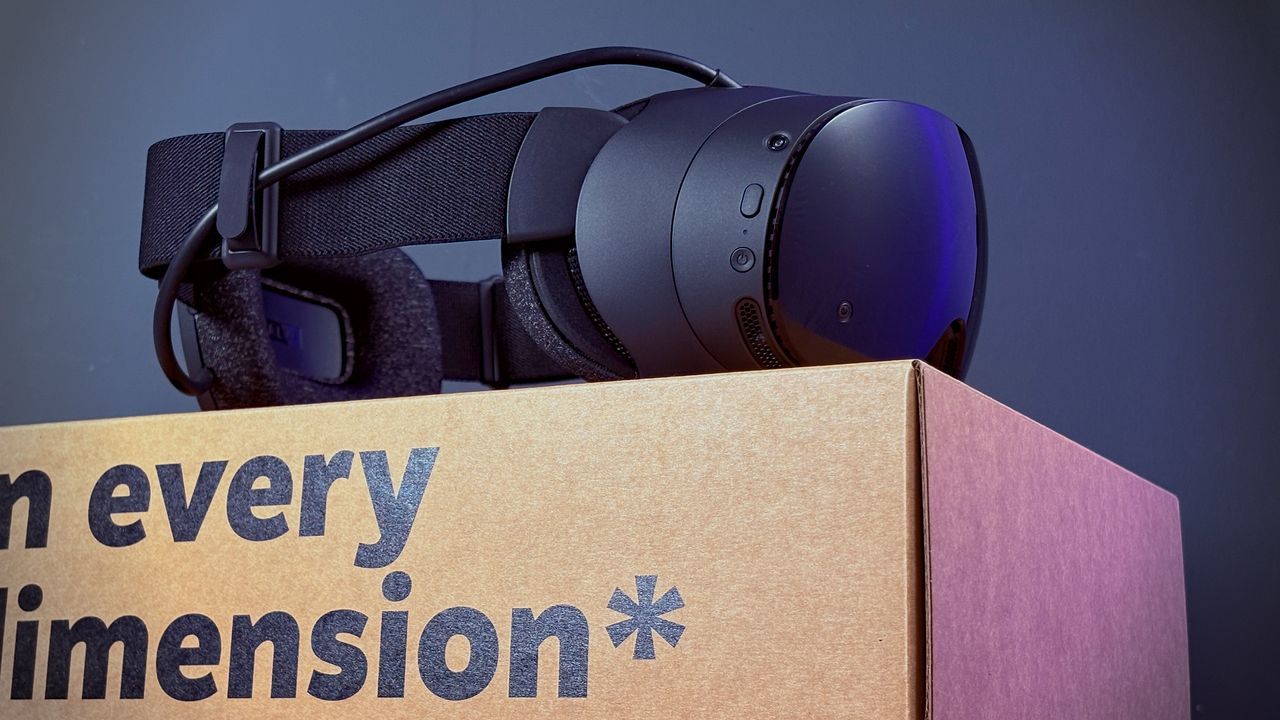
The world of virtual reality has undergone a seismic shift. Once confined to the power of a gaming PC, it was a realm defined by tethered ambition. We remember the early days of VR, when headsets like the HTC Vive and Oculus Rift represented the pinnacle of technology, locking users into an exclusive, high-fidelity experience powered entirely by dedicated hardware. This era was defined by experimentation and the unique potential only a powerful PC could unlock.
Then came the revolution of mobility. Devices like the Oculus Quest introduced standalone VR, shattering the tether and making virtual reality accessible to a much wider audience. This shift democratized the experience, proving that VR didn’t need a massive gaming rig to be immersive. Yet, even as mobile VR gained traction, the deep, unique content that demanded PC power remained a powerful draw for enthusiasts.
Despite the ongoing innovation, the market attention has begun to pivot. When looking at the Steam platform, the trend for VR game releases hasn’t been uniformly positive. The number of VR titles on Steam peaked around 2017 and has since struggled to maintain momentum, dropping significantly in recent years. This suggests that while hardware is advancing rapidly, the ecosystem is still finding its footing.
This narrative of struggle, however, is not without a powerful counter-movement. Valve has introduced new hardware designed not just to chase market share, but to bridge divides and foster a healthier ecosystem. Enter the Steam Frame, a project that aims to redefine how PCVR interacts with the broader gaming landscape.
The Steam Frame is more than just a new display; it’s an integration of technologies that seek to unify the PCVR community with the growing world of mobile VR. By leveraging emulation layers such as Proton, FEX, and Lepton, the system allows games designed for PCVR to run seamlessly on new hardware. This means that the power and creativity of PCVR are no longer confined to expensive setups.
This technological bridge is designed to bring more access and more potential gamers into the fold. The goal is to create a maturing market, opening the tent to more potential customers by allowing diverse game types to coexist and interact. It’s about expanding the horizons for both developers and consumers.
Valve’s vision is rooted in the community. Software engineer Joy Lyons emphasizes that the Steam Frame is about giving the PCVR community a boost by leveraging the large compute power of the PC while offering a wireless experience. It seeks to rekindle the excitement of PCVR by ensuring that unique, high-fidelity experiences remain accessible and enjoyable.
By integrating mobile game formats into the Steam ecosystem, Valve is working to grow the catalog. While some might argue this is less about pure PCVR and more about injecting mobile VR titles, the underlying intent is clear: to build a robust and expansive environment where both PC and mobile VR can thrive. The future of VR is not just about the hardware; it’s about the open, integrated ecosystem that connects us all.
Buy on Amazon
Credit