Steam Frame VR: Standalone Play or Wireless Streaming Focus
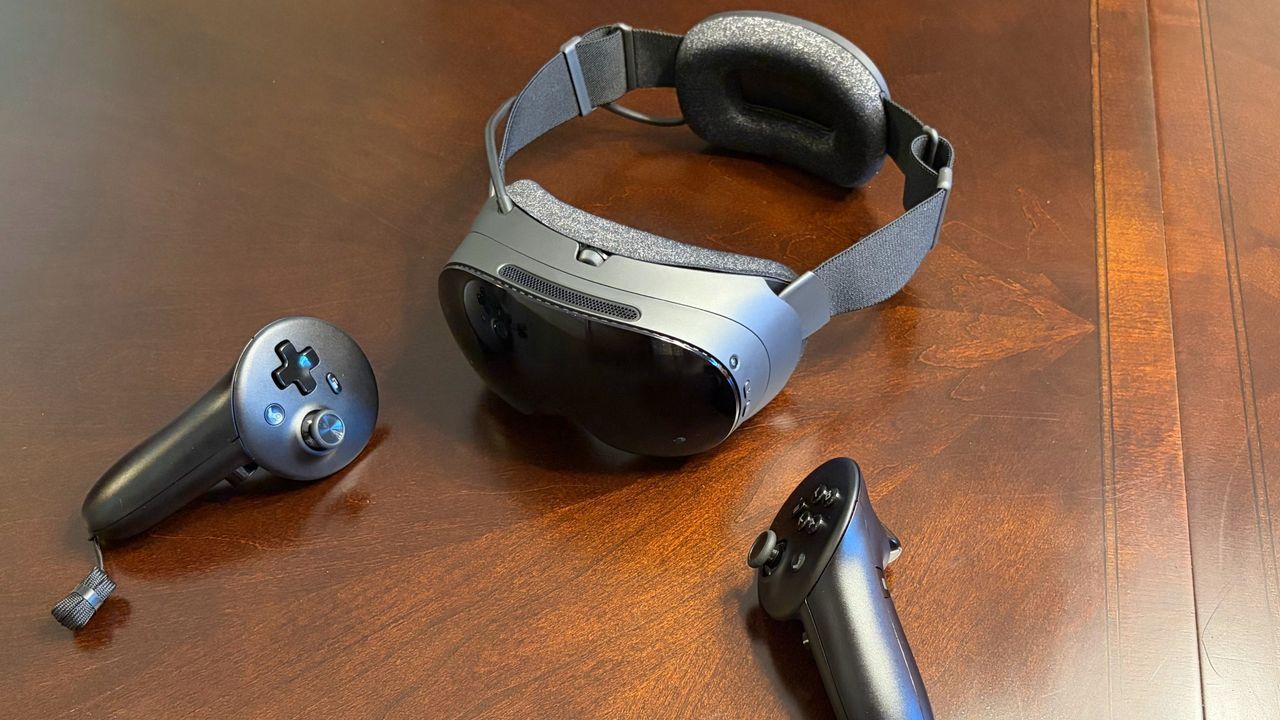
Valve has been dropping hardware like a relentless tide, culminating in some truly ambitious releases. While the Steam Controller and Steam Machine set the stage, the newest marvel is the Steam Frame headset, aiming to redefine how we interact with gaming, blurring the lines between high-end PC streaming and fully standalone virtual reality.
This isn’t just another gadget; it’s an attempt to create a versatile gaming hub. Unlike previous streaming-focused devices, the Steam Frame packs a powerful Qualcomm Snapdragon 8 Gen 3 processor and 16 GB of memory, allowing it to run demanding games natively. This ambitious package comes with an equally ambitious price tag, starting at over $1,000.
From a design perspective, Valve has focused on making the headset feel less like heavy tech and more like wearable gear. By utilizing thin plastic and soft curves, the Steam Frame manages to be surprisingly lightweight, weighing in at just 440 grams. This reduction in weight is noticeable, especially when compared to earlier models, making extended gaming sessions feel far more comfortable.
The engineering is packed into the design. The headset features dual LCD displays offering a stunning 2160 x 2160 resolution per eye. To handle the intense visual demands, Valve opted for pancake lenses, which provide a wide horizontal field of view of up to 110 degrees. Beyond the visual experience, the design incorporates sophisticated elements like forward-facing cameras for environmental passthrough, providing a monochrome view of your surroundings, and internal eye-tracking technology for further immersion.
The clever integration of hardware and software is perhaps where the Steam Frame truly shines. It functions both as a sophisticated streaming device, leveraging a direct, low-latency link via Wi-Fi 7 and a standalone unit. This dual capability enables “foveated streaming”—a brilliant technique where internal eye-tracking determines what you are directly looking at, prioritizing that data for maximum quality while reducing the bandwidth needed for the periphery. It’s an elegant solution for optimizing data transfer.
When operating in standalone mode, the Steam Frame offers a compelling, if slightly emulated, experience. Games like Half-Life: Alyx run on the device using ARM64 emulation, though users should anticipate some performance trade-offs. Other standalone titles, such as Stellar Café, offer fun, engaging conversational experiences, demonstrating the potential of the hardware beyond high-fidelity VR.
The control experience is equally refined. The headset is paired with custom wireless controllers featuring haptic feedback and capacitive finger sensing, mirroring the intuitive design philosophy of the Steam ecosystem. These controllers connect directly and wirelessly, adding to the feeling of seamless interaction. Power management is handled efficiently, offering runtime that varies based on whether the device is streaming from a powerful desktop or running natively on the onboard processor.
Ultimately, the Steam Frame is a versatile piece of hardware. While the cost remains a significant hurdle in the current market, the device successfully marries cutting-edge processing, smart networking, and comfortable design. For those willing to weigh the price against the innovative possibilities—especially the unique pathway it opens for optimized streaming and hybrid gaming—it stands as a truly compelling, if expensive, platform for the future of immersive entertainment.
Buy on Amazon
Credit