Steam spoiled gamers miss the MegaPak joy
It is easy to be cynical about the modern gaming landscape, especially when you consider the constant cycle of layoffs and the soaring prices of hardware fueled by AI datacentres. Yet, amidst the doom, there is a strangely comforting truth: we are utterly spoiled for choice.
Games are more abundant than ever before. Developers release a staggering volume of content daily, covering every conceivable genre and experience. If you can dream up a game, chances are, someone is working to make it real. This endless stream means that if you want to play something, it probably exists in some form.
But abundance is only half the story. Games are also, surprisingly, cheaper than they have ever been. While the £70 price point is a modern benchmark, relative to inflation, the sheer volume of content available across digital platforms, bundles, and giveaways means that the financial barrier to entry has never been lower. We have access to almost anything, frequently and cheaply.
This is a stark contrast to the gaming scene of just a few decades ago. Back then, games were significantly less numerous, and financial accessibility meant that acquiring a new title often required saving up for a specific holiday or birthday. The experience was more deliberate, and perhaps, felt more special.
That feeling of scarcity created a different kind of value. In the earlier era, if you were buying a new game every month, it often indicated a certain level of success. People discovered games through shareware demos or those coveted copies burned onto a CD by friends, lending an element of genuine discovery to the experience.
This appreciation for curated value found its most tangible form in the age of the MegaPak. This big-box compilation was the closest we had to a digital treasure chest before modern bundles existed. MegaPak was a massive collection of games, typically released a year or two prior, and it offered a snapshot of PC gaming history.
The first MegaPak, released in 1994, proudly featured eleven games. While the numbering was confusing, the pack showcased a mix of titles, including spinoffs like World of Ultima, flight simulators such as F-14 Tomcat, and oddball adventure games like Dinosaur Safari. It was a collection of fair to middling quality, designed primarily to showcase the sheer quantity of content.
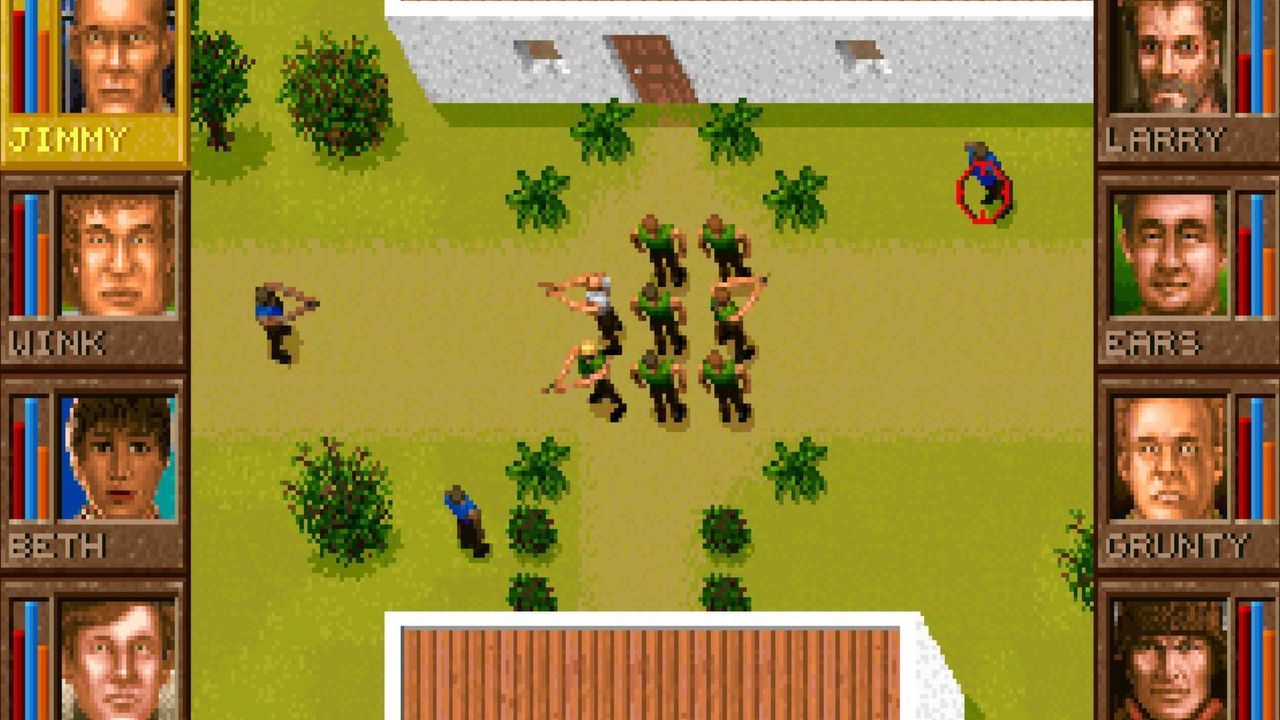
As the series evolved, so did the content. Later volumes included true PC heavyweights like Jagged Alliance and Terminal Velocity, alongside forgotten gems. MegaPak 5, in particular, remains a landmark—a genuine expression of what a large-scale compilation could be. It wasn’t just about the games; it was about the feeling of holding something substantial and discovered.
The enduring appeal of the MegaPak lay in the element of chance. You were diving into a grab-bag of titles, encouraging discovery. It was through these compilations that many gamers, including myself, first stumbled upon bizarre gems like Entomorph: Plague of the Darkfall, broadening our horizons into complex roleplaying games.
Ultimately, what I miss most from that era is the ease with which we could judge a game on its own terms. Before the relentless noise of algorithms pushing what they deem worthwhile and the constant barrage of user reviews, the MegaPak offered something pure: cheap games that you knew you would love. It was a time when the value was in the discovery, not the endless, overwhelming stream.
Buy on Amazon
Credit