SteamOS to Arm pivot: Valve engineers discuss Steam Frame pricing
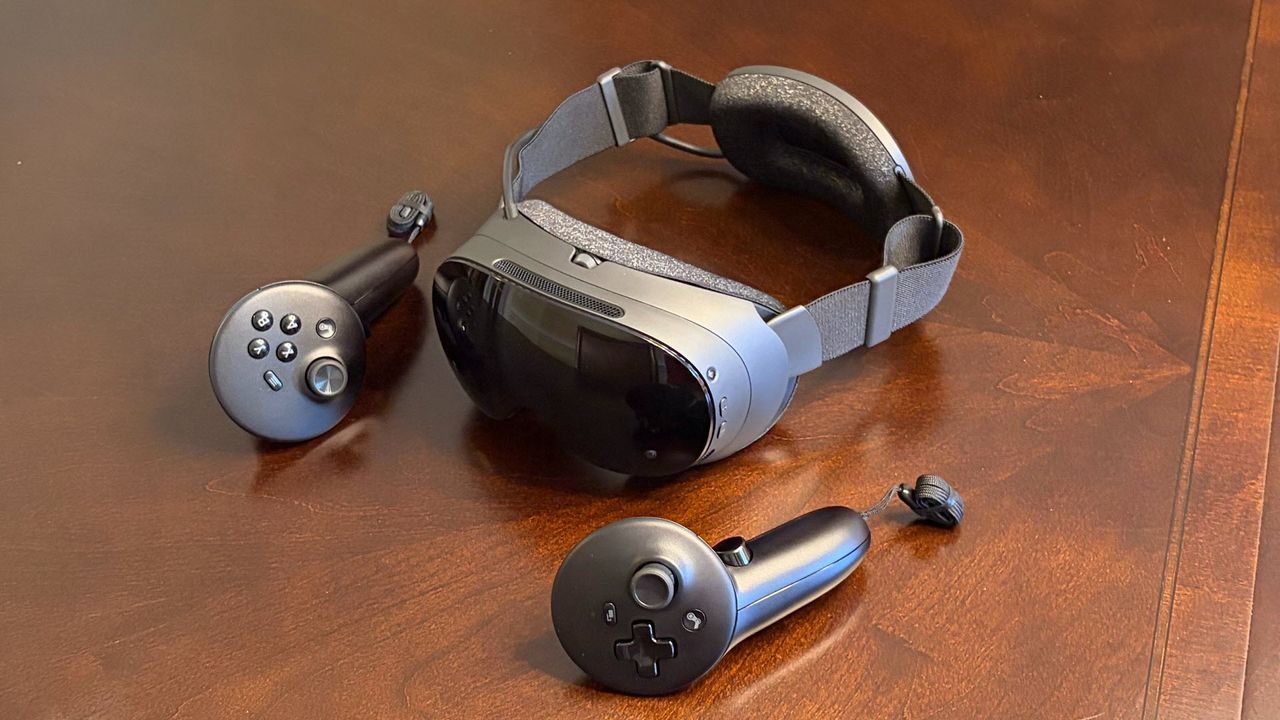
Bridging the Gap: How Valve is Redefining VR with the Steam Frame
The world of virtual reality has been evolving rapidly, but for many, the immersive experience remains tethered to powerful, high-end PCs. Valve is now ready to bridge that gap, launching the Steam Frame VR headset—a device designed not just for gaming, but for seamless, accessible digital immersion. This new hardware is the result of a thoughtful, two-pronged strategy aimed at making VR both highly accessible and deeply integrated into the modern gaming ecosystem.
Valve’s journey to creating the Steam Frame began with a clear objective: to make virtual reality lighter, more comfortable, and easier to use than ever before. While previous iterations focused intensely on pure VR experience, the team recognized the need for a paradigm shift. The answer lay in integrating cutting-edge streaming technology, allowing users to effortlessly browse their Steam library and jump into a game without complicated setup.
This vision led to a brilliant dual approach: offering both a standalone gaming experience and a robust streaming capability. The Steam Frame can function independently using onboard mobile processing, yet it maintains a powerful wireless link to a PC, allowing for high-fidelity streaming. This flexibility is key to Valve’s goal of giving users access to their entire gaming catalog in an intuitive way.
The Engineering Challenge
Achieving this flexible architecture presented significant engineering hurdles. Developers had to solve complex problems related to thermal management, power delivery, and computing capacity to ensure the headset could seamlessly switch between operating modes. To handle the demanding streaming requirements, Valve opted for a powerful Qualcomm Snapdragon 8 Gen 3 System on a Chip, treating the mobile hardware like a highly capable miniature PC.
While the device shines in its flexibility, the on-device capabilities are balanced. Because the hardware is inherently mobile-centric, running the most graphically demanding AAA titles directly on the headset remains challenging. However, the platform excels in offering a fantastic experience for a vast library of games—from beloved indie titles to older, classic AAA back-catalog games—allowing users to engage with their entire Steam library, even if performance dictates a choice between standalone or streamed play.
Foveated Streaming: Seeing the Details
The true innovation lies in how Valve tackles the streaming aspect. Recognizing that sending the full stream of video data across a network is inefficient, the headset incorporates internal eye-tracking cameras. This technology powers a system called foveated streaming, which intelligently optimizes performance and image quality.
By knowing precisely where the user is looking, the system can allocate the most precious bandwidth and encoding resources to the area the user is actively focusing on. This means that the parts of the image the user is looking at are rendered with maximum quality, while the periphery receives less data. This ingenious approach allows the system to treat the central focal point as a “first-class bit,” dramatically reducing the bandwidth needed while delivering a visually rich and smooth streaming experience.
The headset communicates with the PC wirelessly via a dedicated Wi-Fi 6E USB dongle, utilizing the high-speed 6 GHz channel for optimal performance. Furthermore, the system includes fail-safes, ensuring that wireless interference or dropped links are handled smoothly, preventing disruptions during gameplay.
Pricing and Availability
As with any new high-end hardware, pricing remains a consideration. The Steam Frame starts at $1,069 for the 256GB storage option and $1,299 for the 1TB option. This pricing reflects the cost of specialized components, including memory and storage, which are currently experiencing a global crunch across the entire tech industry.
Despite the market pressures affecting hardware costs, Valve emphasized that they worked diligently to secure components at the most competitive prices possible. The Steam Frame will become available to paying customers starting September 14th, utilizing a reservation system designed to manage demand and reduce issues with scalpers.
Buy on Amazon
Credit