
Stop settling for eurojank get your Game of Thrones CRPG
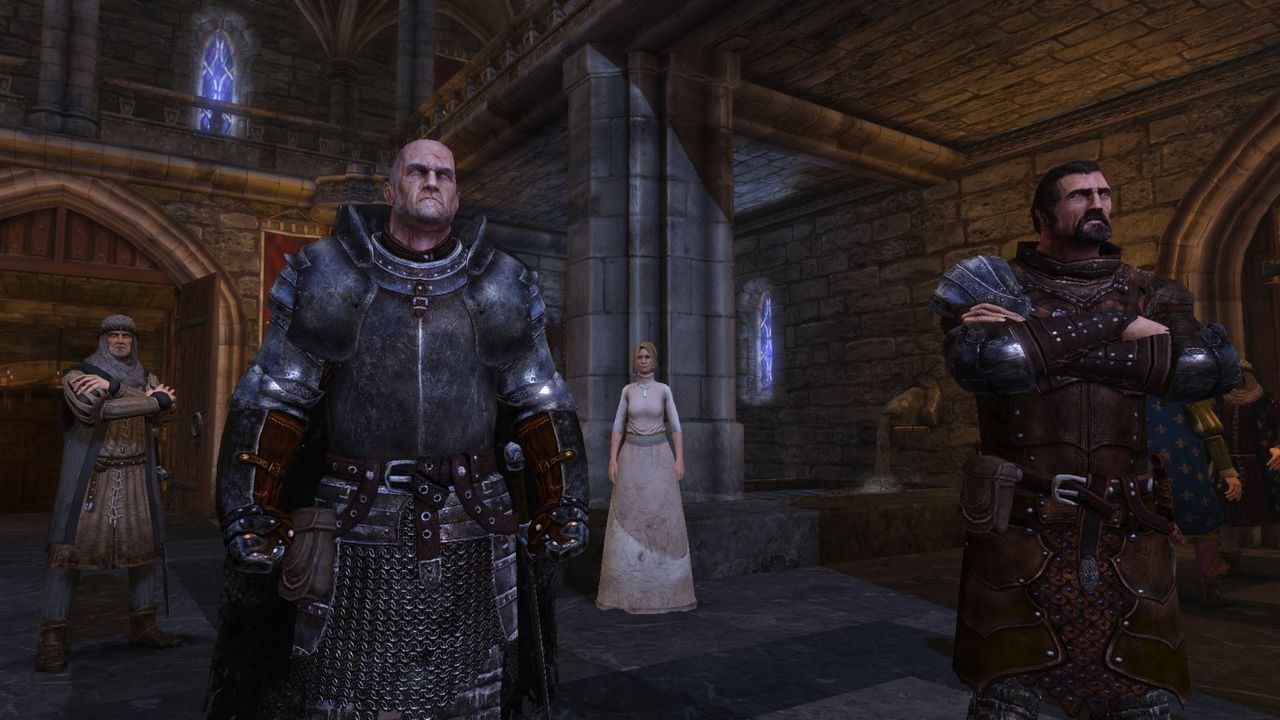
Every weekend, we celebrate the peculiar corners of the PC gaming universe—the odd games, the strange trivia, and the forgotten histories that make the medium uniquely fascinating. This time, we turn our attention to a classic tension: the gap between creative ambition and corporate reality.
Take, for instance, the behemoth that is Game of Thrones. It’s a licensing fit on paper, yet culturally and corporately, it always feels like something is just slightly off-kilter. This tension often surfaces when massive intellectual properties are adapted into interactive experiences.
The journey from novel to game highlights this perfectly. The development team, Cyanide, chose to immerse themselves deep within the source material, exploring early fantasy concepts alongside their other projects like Football Manager and the sprawling world of Thief. This background in intricate world-building clearly informs how the Game of Thrones RPG was structured.
The game’s structure, which shifts perspective chapter by chapter, is a masterful nod to fantasy literature but yields a unique experience in the interactive medium. Players embody dual protagonists—a priest searching for faith and a brother dedicated to the Night’s Watch—forcing them to navigate conflicting loyalties within the dense fabric of Westeros.
This narrative split enhances the tension, showing how different moral choices impact the journey. One protagonist might seek power through religious devotion, while the other struggles with pragmatic survival, learning that sometimes, a handful of gold can be more valuable than titles or oaths. This setup allows the world to unfold organically, preceding the grand spectacle of the television series.
While the environments and voice acting faced their share of criticism—some finding the aesthetic tricks fuzzy and dialogue sometimes strained—the underlying mechanical design managed to shine. The combat system, for example, excels at squeezing real tension out of action. Players are thrust into chaotic, sweaty scenarios where tag-team stunts and instinctual reactions matter more than polished smoothness.
This willingness to embrace imperfection is a hallmark of great CRPGs. Unlike other adaptations that strive for slick perfection, games like Game of Thrones encourage the world to shudder and clunk into place, mirroring the tectonic events of Westeros rather than presenting an overly smooth surface. It allows the complexity of history to feel gritty and earned.
Ultimately, the success of the adaptation lies in its commitment to agency. By allowing players to experience these complex moral and physical struggles, Cyanide managed to expand the scope of George R.R. Martin’s universe rather than simply reduce it for television. It proved that layered history and chaotic mechanics can deliver a powerful and unforgettable fantasy adventure.
Buy on Amazon
Credit

