AI shortage reverses 20 years of falling memory prices
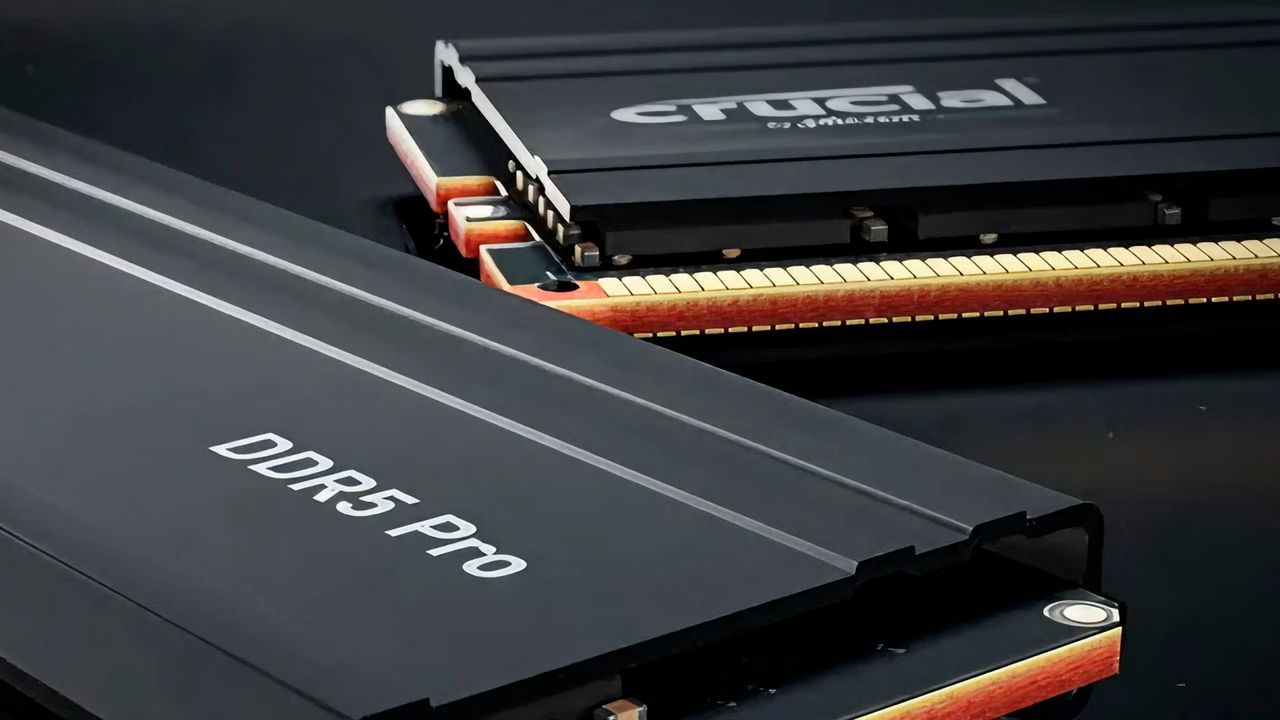
For decades, the world watched computer memory prices plummet at an exponential rate. Yet, just recently, that carefully laid progress seemed to reverse course entirely. Software performance expert and scientist Daniel Lemire recently revealed a startling reality: this price reversal was not a simple market fluctuation, but a direct consequence of unprecedented demand for a specific type of high-speed memory.
Lemire compared historical trends in computer memory and found that the decades of falling prices were undone in just a matter of months. He noted that on a per-unit basis, current RAM is about as expensive as it was back in 2007, suggesting this event is a profound historical anomaly.
The story is one of technological evolution versus market hunger. While advances in manufacturing and miniaturization naturally drive costs down over time—as seen with the incredible leap from ENIAC to modern processors—the recent memory crisis points toward an entirely different force pushing prices skyward.
The driving engine behind the current surge is the massive demand for HBM, or High Bandwidth Memory, fueled by the relentless pace of the artificial intelligence race. Experts point out that while normal industry growth sees a modest 20% annual increase in demand, AI-driven memory requirements are accelerating far beyond that. One estimate suggests demand is increasing by up to 200% per year.
This extraordinary appetite for memory has created an unsustainable situation across the entire technology ecosystem. Industry leaders recognize the strain; the chairman of SK Group, which owns major memory chip manufacturers, acknowledged that RAM prices are “abnormally high” and stressed the urgent need to increase supply and lower costs.
The pressure is not confined to the computer sector. This memory famine has sent shockwaves through various industries. Graphics card vendors have been compelled to re-release older models, smartphone sales have faced significant drops, gaming consoles are affected, and even the automotive sector is seeing cost increases as manufacturers grapple with component shortages.
From sophisticated AI chips to everyday smartphones and cars, memory scarcity demonstrates how deeply interconnected our digital world has become. It highlights that fundamental technological advancement must now be balanced against logistical reality.
Ultimately, this situation forces a reckoning: either the industry finds a way to build advanced AI systems without requiring such massive amounts of memory, or engineers must discover radically clever ways to make existing memory much faster and more efficient. The unknown is what truly matters—how we navigate this new landscape where demand has rewritten the rules of supply.
Buy on Amazon
Credit