Strapping AIO and fans to RTX 3080: Temp drops, minimal FPS boost
The Quest for Cooler Glory: A Deep Dive into GPU Hacking
For some tech enthusiasts, the pursuit of peak performance often involves a little rebellion. Recently, a team known as TrashBench embarked on an audacious experiment: to see if simply piling on more fans—and some liberal use of duct tape and cable ties—could actually improve the performance of a high-end graphics card.
The target was the GeForce RTX 3080, a titan of gaming hardware. The hypothesis was simple: boosted airflow would lead to lower temperatures, which in turn would translate into higher frame rates. But whether raw cooling improvements could overcome the physical limitations of a solid-state drive and silicon ultimately proved to be a complex equation.
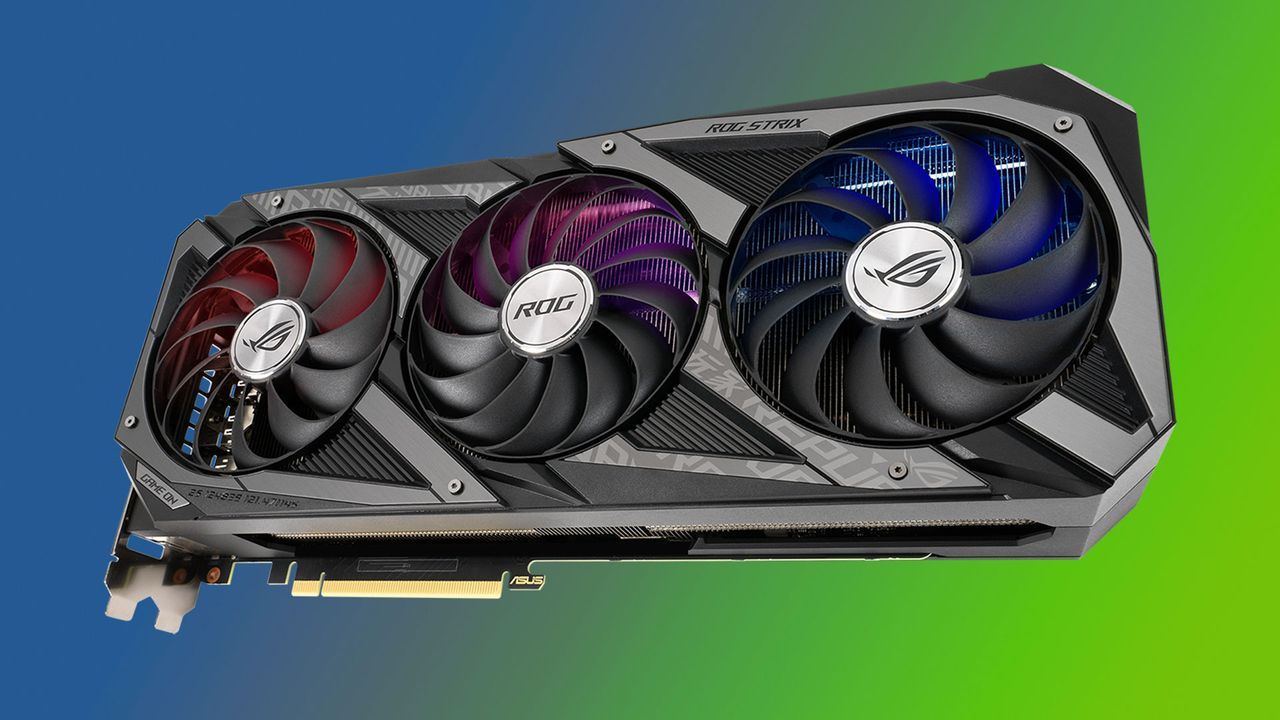
Before the chaos began, the team established a baseline. Running the RTX 3080 with its original Asus ROG cooler provided a stable temperature of 63°C during stress testing, demonstrating that even before modifications, the cooling was already doing a respectable job.
The experimentation started with removing the stock cooling shroud and replacing it with trio of Arctic case fans. This initial change delivered noticeable results, dropping the GPU temperatures to a stable 52 degrees Celsius—a solid win for thermal management.
As the tinkering continued, the team experimented with further airflow adjustments. Swapping the case fans for thicker server-grade fans managed to shave another two degrees off the temperature, bringing the GPU down to an impressive 50°C. However, when they attempted to block side vents using duct tape to further restrict air flow, the temperature actually climbed slightly to 54°C, proving that simple restriction often creates more headaches than heat relief.
The next phase involved extreme modification: adding a quintet of high-RPM Arctic server fans directly onto the top of the card. While this setup certainly delivered an impressive, jet-engine-like sound and an undeniably punk aesthetic, it failed to significantly shift the temperature needle below 50°C.
The ultimate breakthrough came when the team decided to upgrade the backplate fan to a massive AiO 360mm cooler. This final, heavy-duty modification yielded the most spectacular result yet: the GPU reported a top stable temperature of just 41°C during testing. It was a phenomenal achievement in thermal management.
Though this setup achieved incredible temperatures—and certainly looked and sounded awesome—the performance gains were modest. While some benchmark runs showed small uplifts, the final analysis concluded that the hardware hacking didn’t deliver the promised reward. The team ultimately noted a marginal gain of just two FPS from the entire process, suggesting that sometimes, leaving things to the factory settings provides the best balance of performance and sanity.
Credit
