Supermicro fires staff on $2.5B China chip smuggling case
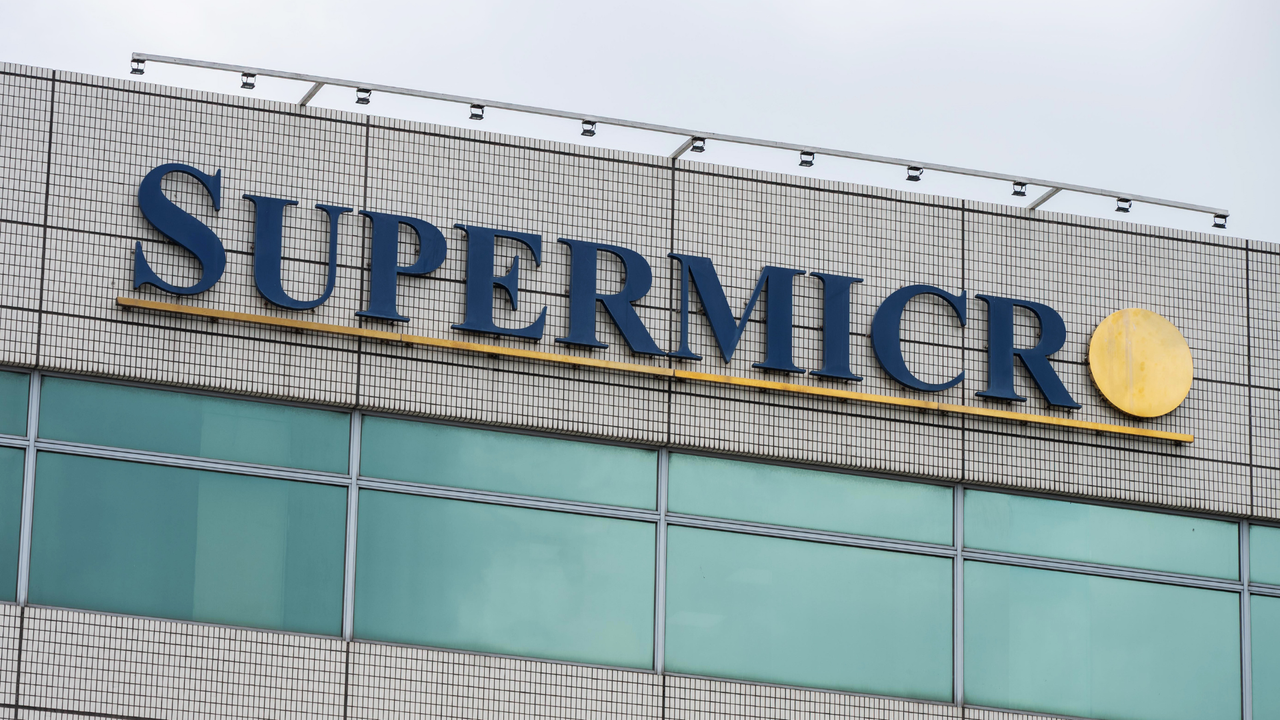
The global race for artificial intelligence has created an unprecedented demand for high-end semiconductor technology, turning the supply chain into a high-stakes geopolitical battleground. Amid this intense competition, a major corporate scandal involving the alleged smuggling of billions of dollars in cutting-edge AI hardware into China has rocked the tech industry.
Five months after the arrest of Supermicro co-founder “Wally” Liaw and two associates for allegedly diverting usd2.5 billion worth of Nvidia hardware, the company announced the completion of its independent investigation. The findings, released publicly, concluded that neither Supermicro nor its senior executives were involved in the alleged smuggling scheme. The company stated that its compliance personnel had acted in good faith, working with management to mitigate the risk of products being diverted.
Despite the exoneration of the company leadership, the fallout from the investigation was significant. The process resulted in the termination of several employees across sales, technical support, and business development departments, who were dismissed for violating company policies and code of conduct during the inquiry. This internal action underscored the serious commitment to maintaining operational integrity, even when dealing with complex international trade issues.
The scale of the alleged diversion has drawn scrutiny from investors, leading to lawsuits against the company for securities fraud, which reportedly claimed that Supermicro concealed its dependence on these illicit sales. However, independent advisors reviewing the situation found no evidence that the company’s previously issued financial statements could not be relied upon based on the potential diversion of restricted products.
This episode highlights the immense pressure faced by companies operating in the highly regulated semiconductor space. While the investigation cleared the senior management, it prompted Supermicro to commit to enhancing its export compliance programs. This commitment aligns with calls from industry leaders, including Nvidia CEO Jensen Huang, to tighten global controls on AI hardware supply.
The situation is further complicated by the geopolitical dynamics surrounding the chip market. As the United States tightens its export controls on AI hardware, China is simultaneously driving a massive domestic push to localize its semiconductor supply chain, seeking to reduce reliance on foreign technology and secure its position as a global manufacturing hub. This tension between global export restrictions and national self-sufficiency defines the current landscape for advanced chipmaking tools and resources.
Ultimately, the story of the smuggled hardware serves as a stark reminder that even with robust compliance structures in place, the complexities of international trade and the demands of the AI revolution continue to pose immense challenges for corporate governance and ethical operations across the globe.
Buy on Amazon
Credit