Taiwan cracks down on tech with illegal Chinese ownership 36 convictions
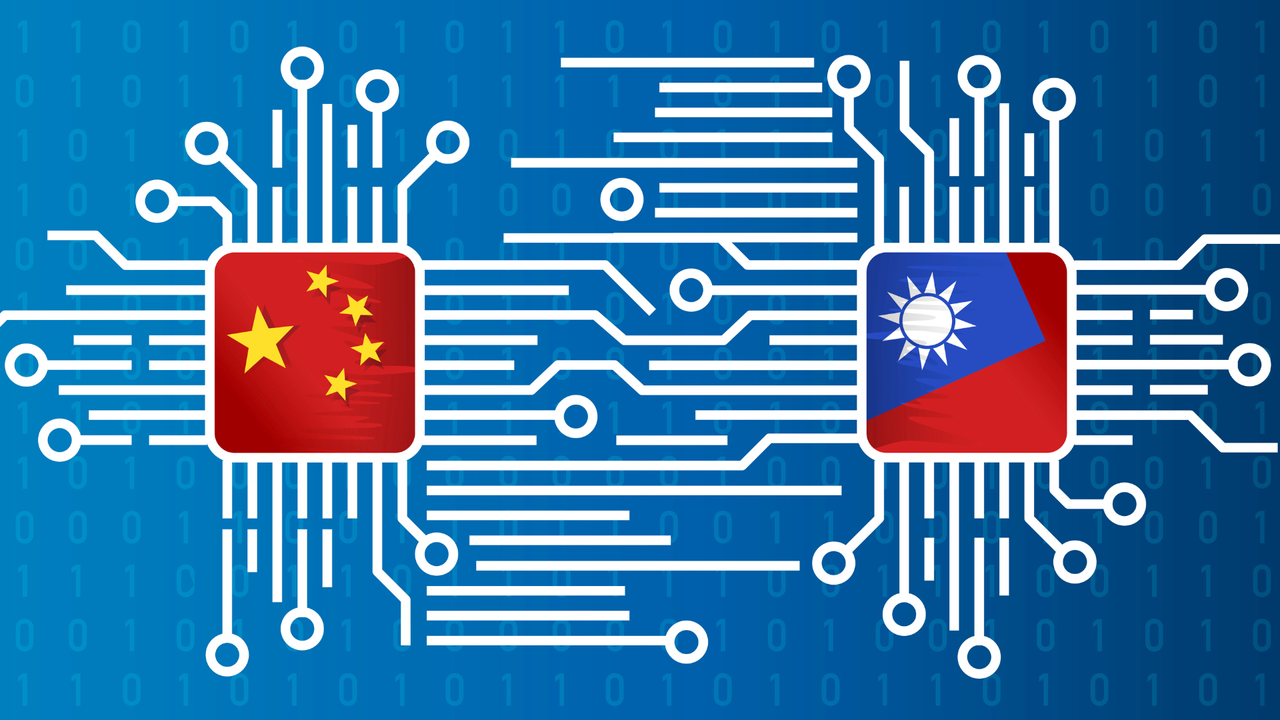
The Silicon Shield: Taiwan’s Fight to Protect its Tech Monopoly
In an era defined by technological rivalry, the global competition for advanced semiconductors has escalated into a high-stakes geopolitical battle. At the heart of this conflict is Taiwan, which has initiated a robust crackdown aimed at defending its technological crown and safeguarding its vital supply chain from external pressures.
Taiwan is actively pursuing measures to curb the illegal operations of Chinese businesses operating on the island. This initiative stems from the need to enforce the nation’s Cross-Strait Act and related investment regulations, which mandate government permits for businesses seeking to operate. However, as political tensions flare between the island nation and its larger neighbor, enforcing these rules has become a critical component of national security strategy.
The stakes are incredibly high, given Taiwan’s pivotal role in the global technology landscape. As the world’s epicenter for semiconductor production, Taiwan manages over 60% of global chip manufacturing and produces nearly 90% of the most advanced processors. Any disruption to this delicate balance could send worldwide systems into chaos.
This strategic importance has made Taiwan’s stance on protecting its technological advantage particularly fierce. The government has implemented policies, such as the “silicon shield” strategy, relying on its technological supremacy to ensure the defense of its interests against potential threats.
Simultaneously, Beijing is intensely focused on achieving self-sufficiency in advanced chips, a drive amplified by international trade restrictions. This ambition fuels a race to build a competitive domestic semiconductor market, often by leveraging talent and technology from across the strait.
This pursuit of autonomy has led to troubling allegations of economic espionage. Investigations have revealed that some of these competitive moves involve Chinese entities attempting to poach expertise and steal proprietary information from Taiwanese firms. The Ministry of Justice Investigation Bureau (MJIB), Taiwan’s equivalent to the FBI, has been on the case, investigating 166 cases involving illegal Chinese ownership since 2020.
Court records indicate that these efforts have resulted in significant action. At least 36 companies found guilty of violating the Cross-Strait Act have been penalized, with some convictions involving severe fines and prison sentences. Notably, 33 of these violators were focused directly on semiconductor research, development, and design.
The scope of the accused organizations demonstrates the breadth of the challenge. Some of the entities investigated and raided have deep connections to major global technology brands, including Xiaomi, OnePlus, Oppo, and the powerhouse foundry, Semiconductor Manufacturing International Corporation (SMIC), which directly competes with Taiwan Semiconductor Manufacturing Corporation (TSMC).
While some observers suggest these moves were purely driven by business necessity, the underlying tension remains palpable. Experts caution that the line between legitimate economic competition and strategic espionage is often blurry, particularly when national security is at stake. The ongoing battle for technological dominance is not just about chips; it is a profound test of sovereignty in the digital age.
Credit
