Taiwan workers reject Micron bonus demand profit share
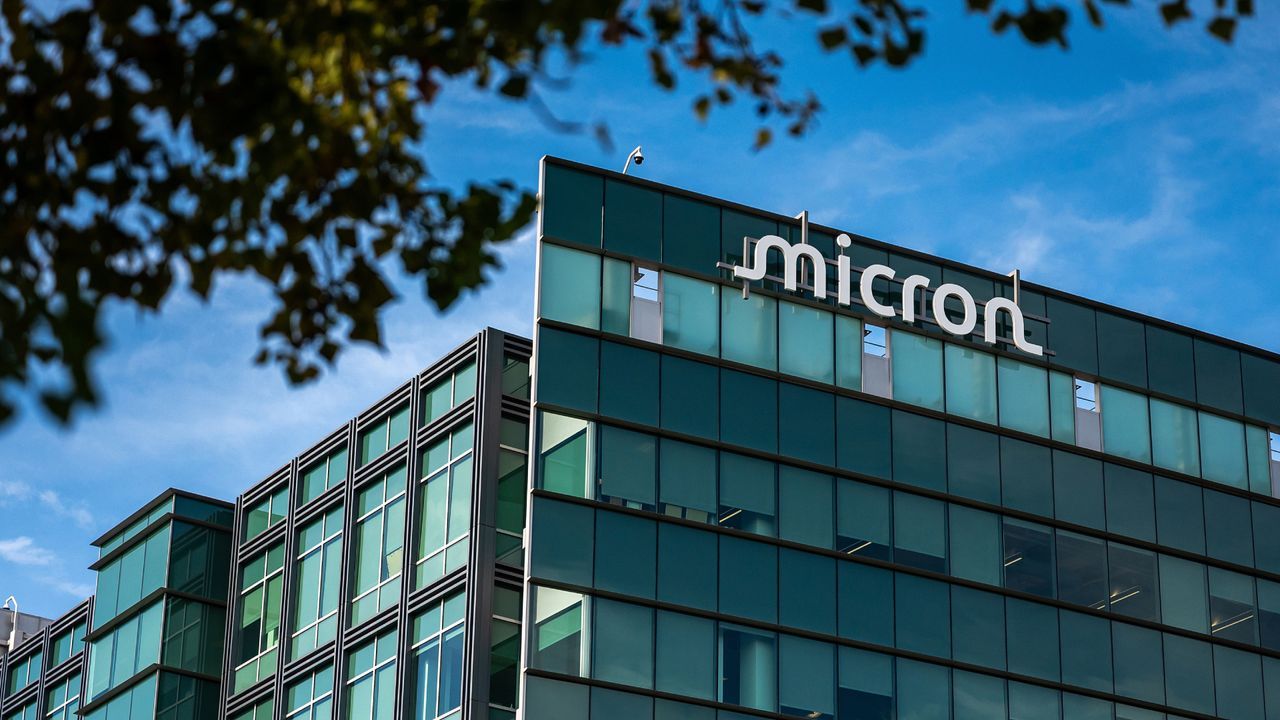
In a move that highlights the intense tension between soaring corporate profits and the demands of the workforce, Micron has announced a significant one-time cash appreciation bonus for its employees in Taiwan. This substantial reward package, totaling NT$1 million (approximately US$31,650), arrives against a backdrop of ongoing disputes between the U.S. memory giant and its Taiwanese staff.
The company framed the payout as the largest rewards package in its history, citing an “extraordinary year” for the firm. This initiative comes as Micron‘s financial performance has been staggering: cumulative net income from high-demand memory chips has surpassed $50.47 billion, and Q3 earnings reflected a massive 346% year-over-year increase. For direct manufacturing and production-line workers, the rewards are substantial, offering an equivalent of 35 to 68 months of basic salary.
The compensation details reveal a commitment to major payouts: direct labor employees are eligible for a minimum total cash compensation of NT$1.7 million (US$53,809), while junior engineers are projected to receive an average total compensation of NT$3.4 million (roughly US$106,250), combining cash and equity grants.
However, this celebratory announcement was met with immediate pushback. The union representing workers at Micron‘s Taoyuan plant officially rejected the bonus proposal, deeming it a distraction from the deeper issues at hand. The union is pushing for structural changes, demanding a permanent profit-sharing model where 15% of operating profits are distributed quarterly to workers, alongside a larger one-off payment equivalent to roughly 83 months of salary.
This conflict is not unique to Micron. The move mirrors recent developments across the semiconductor industry, where companies are pulling in unprecedented profits from the AI boom while workers seek a fairer share. This dynamic is clearly playing out elsewhere, with local unions in Taoyuan and Taichung threatening strikes to demand similar packages. This situation brings to light a broader labor movement demanding concrete institutional safeguards to ensure workers are fairly compensated during periods of high-profit growth.
The situation gained further context as other major players, like Samsung and SK Hynix, have also distributed significant bonuses amid their record profits from the AI surge. This has fueled serious labor action. While some negotiations, including those involving government mediation, have stalled, the threat of a strike remains potent. Micron is now facing a critical second round of mediation scheduled for September 21, 2026. If this meeting fails, union members are poised to vote on a strike, with internal surveys indicating that 80% of union members favor industrial action.
Credit