Teacher’s clapping arrest dismissed in Kansas data center case
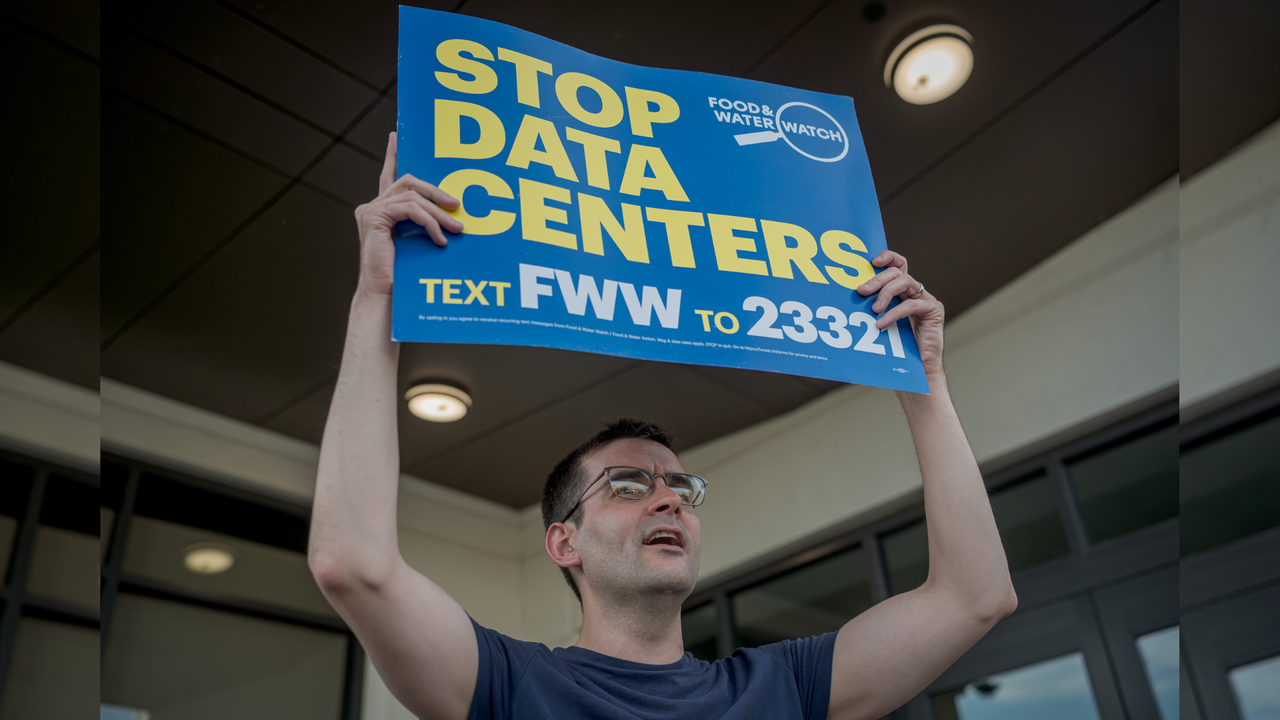
The Clap That Sparked a Firestorm: How a Teacher’s Reaction Unlocked a Debate Over AI Data Centers
In Emporia, Kansas, a moment of polite applause turned into a legal saga that underscored the simmering tensions surrounding massive infrastructure projects. Lux Claridge, a teacher, found himself in the spotlight after being arrested during a meeting concerning a gigawatt-scale AI data center project.
The incident began with a simple act: Claridge politely clapped five times after a speaker presented comments against the proposed data center. What started as a gesture of support quickly spiraled into a confrontation with law enforcement. City officials had previously warned attendees against disruptive reactions, suggesting that such actions were unnecessary.
When the clapping occurred, an authority figure in the crowd reportedly asked a police officer to take the next person who clapped outside the venue. This escalation led to several officers approaching Claridge, who asserted his right to speak, before being physically detained and taken to the Lyon County Jail.
The immediate aftermath saw the city cancel scheduled public meetings, taking emergency measures to protect officials and the public from external threats. While the legal proceedings took a turn, the public conversation about the data center ban intensified.
Eventually, the city pursued the charges, but the legal path was complicated. The Emporia assistant city attorney informed Claridge’s legal team that the case was dismissed without prejudice due to conflicts in the matter, though the case was subsequently transferred to the County Attorney’s office for further review. Claridge expressed cautious relief, suggesting he was in the clear, though the legal path was far from settled.
Despite the legal ambiguities, the dispute over the data center ban remains active. The city is now moving toward a public ballot vote in November regarding the proposed ordinance. This process is poised to determine whether the community’s concerns about large-scale development will ultimately shape the future of the region.
Ultimately, the episode highlights the delicate balance between public expression, law enforcement, and the complex, high-stakes decisions surrounding technology and community development.
Buy on Amazon
Credit