Techie tracks coil whine parts needs community reports
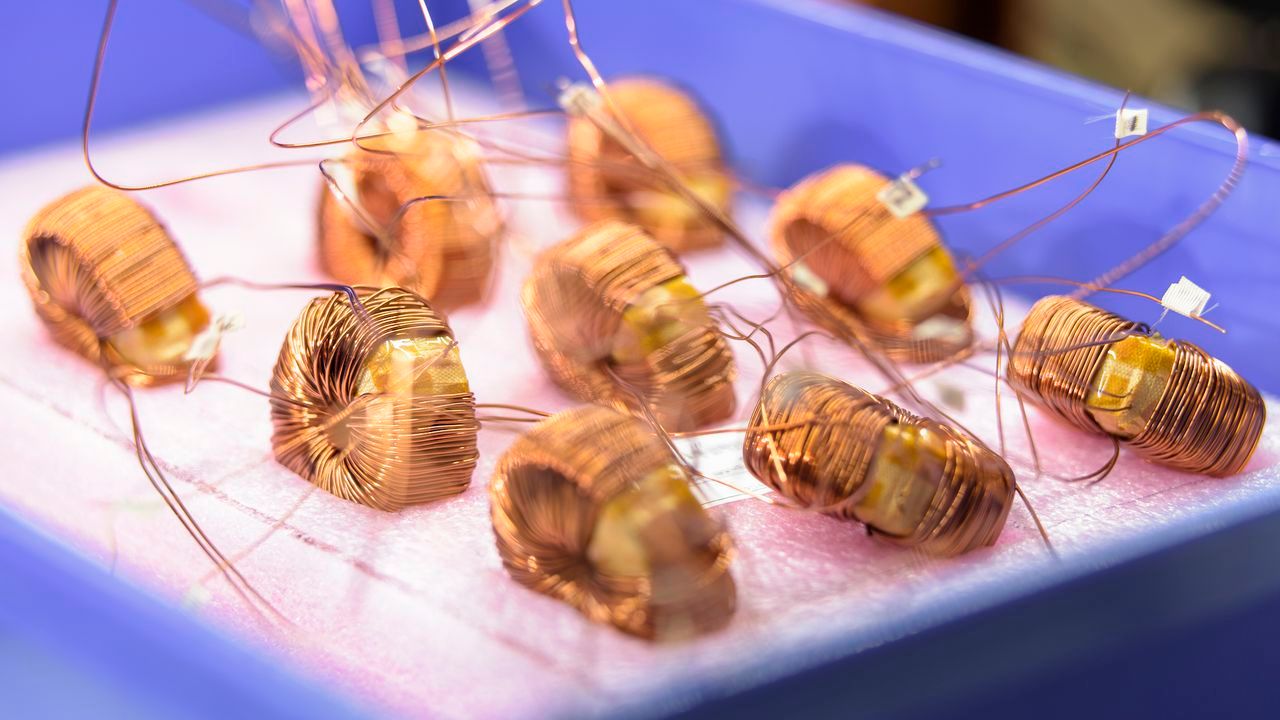
There is a certain ritual shared by many PC builders: installing a new graphics card, launching a favorite game, and being immediately greeted by a faint, irritating buzz. This phantom noise, known as coil whine, is a common source of frustration, particularly when investing in high-end components. While often associated with graphics cards, this phenomenon is far from limited to video hardware; it can affect power supplies, AIO cooler pumps, and various other electronic components.
The core problem lies in the physics of electrical components. Coil whine is essentially a vibration-induced noise generated when components switch states at extremely high frequencies. Although low rumbles travel further, the human ear and brain are naturally tuned to perceive mid-range frequencies, meaning a subtle whine, even at low decibel levels, can feel incredibly grating.
The term itself originates from the physical structure of inductors—where wire is coiled around a core material. However, the concept has expanded far beyond these specific components. Today, coil whine is a colloquial term used to describe any part of a system, such as transformers, chokes, and ceramic capacitors, that exhibits similar high-frequency noise.
Because the issue is often subjective, quantifying it is a challenge. As the creator of the iBlessi project, Lowell K. Wood IV recognized a disconnect: annoyed owners tend to over-report noise, while silent units rarely report anything at all. To tackle this, Wood created a community-powered database designed to provide objective data.
This database allows anyone to submit reports detailing their experiences with coil whine. Users can specify the precise brand, product version, SKU, and year of the component, as well as the context in which the noise occurs—whether at idle, under load, in a game menu, or while running stress tests like Furmark.
To grade the noise, reporters can rate the level from 0 for “silent” to 4 for “audible at idle,” a scale that is much more descriptive than simple yes/no answers. This structured approach helps move the conversation from anecdotal complaint to measurable data.
The goal of the Coil Whine Database is to establish a collective reality. The published coil-whine percentage for any single piece of gear is intended to be a ceiling, not an absolute estimate. A component will only show a definitive verdict once a significant number of reports—at least five—have been collected, ensuring the data reflects a true sample of user experience.
Beyond noise, the creator has also focused on other areas of PC building, developing other useful open-source tools. These include a GPU Undervolt Settings Database and a comprehensive PC Builder tool that verifies component compatibility, aiming to make the complex world of hardware configuration a little less daunting for everyone.
Credit