Testing CS control pads for 4 months I found my fave
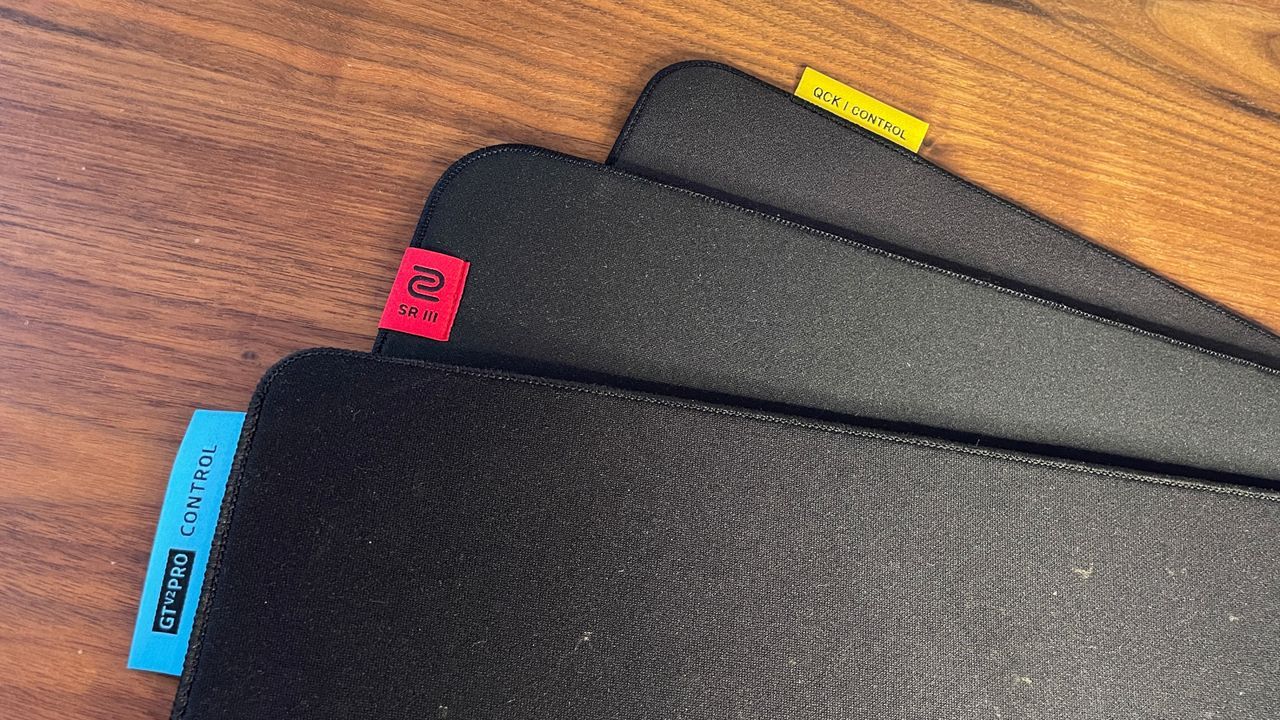
The Friction Wars: Finding the Perfect Control Pad for Tactical Shooters
For many gamers, the ideal mousepad is a canvas for speed and freedom. But for those who thrive in tactical shooters, where precise, steady aim is paramount, the conversation shifts entirely. The goal isn’t just speed; it’s stopping power—the ability to halt your mouse exactly where you want it, especially when snapping a crosshair onto an enemy’s head. This focus on control pads, and the friction that dictates their performance, has become a fascinating topic for competitive gamers.
After months of testing various options for Counter-Strike 2, I’ve concluded that the quality of a mousepad isn’t just about surface material; it’s about the subtle physics of static and dynamic friction. The combination of these forces is what separates a mediocre pad from a champion tool. Some pads are designed for raw speed, while others prioritize the deliberate, controlled movement necessary for those critical clutch moments.
The Cloth Contenders
When evaluating traditional cloth pads, the dynamic between static friction (how hard it is to start the mouse moving) and dynamic friction (how hard it is to keep it moving) reveals distinct personalities. Generally, softer pads tend to be slower, offering a degree of intentional delay that some players crave, while harder pads allow for quicker, more responsive flicks.
Consider the established favorites. The Zowie H-SR III is often cited as a benchmark. It strikes a balance, offering strong static friction that helps keep the crosshair steady during critical angles, paired with dynamic friction that provides subtle texture feedback. It’s hard cloth, meaning less drag inconsistency when players push down hard, making it a reliable baseline.
In contrast, pads like the Razer Gigantus V2 Pro lean heavily into the slow side. This pad is noticeably softer, offering a slower, muddier feel. While this slowness is excellent for maintaining control, it can sometimes feel a little too sluggish for players who prefer quick, agile movements. The softness, coupled with the material, makes it a choice for those who prioritize absolute control above all else.
Other options offer different angles. The Corsair MM Pro utilizes a medium cloth and a rubber-like PU base. It provides a moderate level of friction, feeling closer to a regular cloth pad, which some found less distinctive than the high-end cloth options, though it does offer a controlled experience.
The Steelseries QcK Performance Control is highly divisive. It features a unique, rough texture and a neoprene base. While this texture allows for excellent muscle memory feedback, it introduces a level of roughness that can feel abrasive during long gaming sessions, especially for low-sensitivity players. Its stopping power is decent, but the unique texture is a double-edged sword.
The Glass Revolution
Moving beyond cloth, a new contender has emerged: glass. The Wallhack CR-005 is a glass mousepad featuring microscopic concave formations designed to inherently slow movement. While glass is inherently further from ‘controlled’ than fabric, this specific design offers remarkable consistency.
Testing the CR-005 revealed a unique friction profile. Its static friction is notably strong for a glass surface, and it offers consistent glide regardless of how hard you press. The main appeal lies in its longevity; unlike cloth, glass doesn’t wear out, and the consistent friction means there are no surprises when you are attempting those pinpoint, headshot adjustments. While it doesn’t entirely match the texture of a top-tier cloth pad, its ability to maintain consistent friction across the board makes it impressive for tac FPS players looking for durability and stability.
Buy on Amazon
Credit
