The $5.4B deal that reinvented GPU innovation
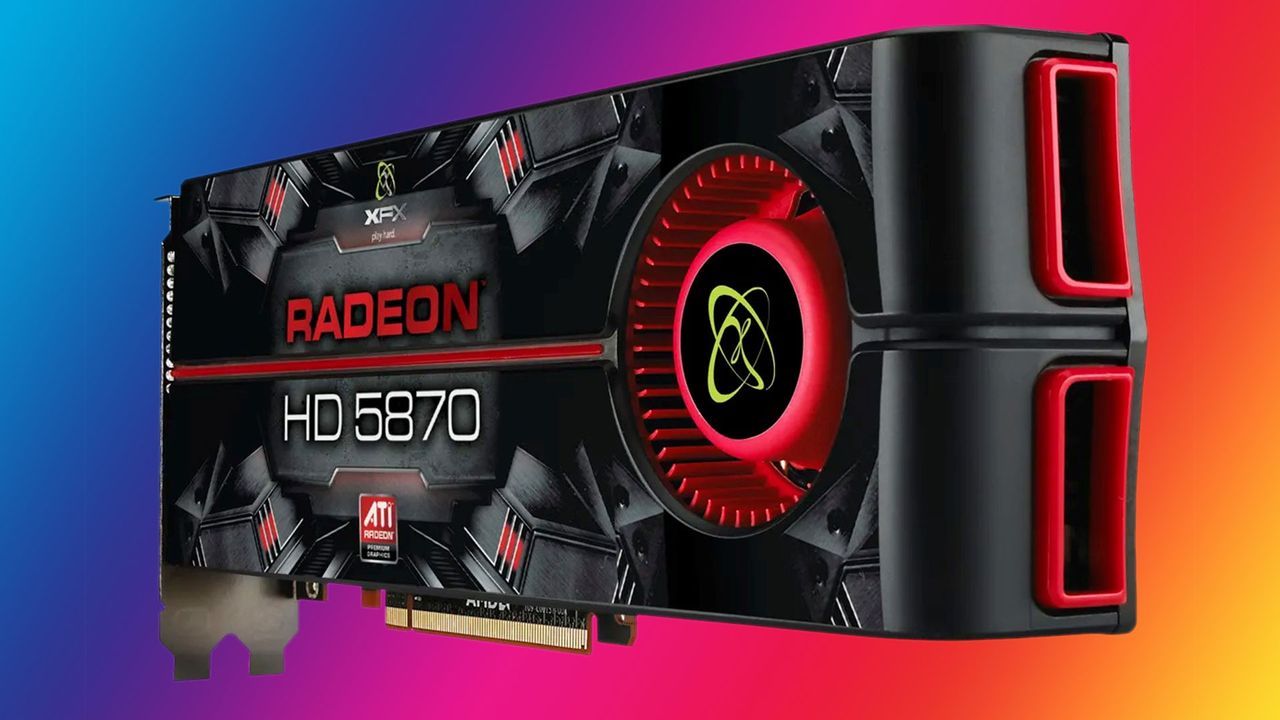
In 2006, the world of graphics chips experienced a seismic shift when AMD completed its acquisition of ATI. For a staggering $5.4 billion cash and stock deal, AMD absorbed the Canadian innovators, setting the stage for a new era in hardware design. This was more than just a transaction; it was a strategic move poised to redefine the landscape of PC gaming and computing.
The vision behind the merger was clear: to reinvent the industry. At the announcement, AMD CEO Hector Ruiz and ATI CEO Dave Orton shared a powerful message, emphasizing that the union would drive growth and innovation for everyone involved, empowering partners and customers alike to create differentiated solutions.
Orton added that joining forces with AMD would allow them to innovate aggressively on the PC platform, signaling a commitment to pushing hardware boundaries.
The integration immediately began reshaping the graphics market. While the names were soon merged, the history of ATI in graphics development remains a fascinating footnote. For example, key technologies developed under ATI, such as the R600 GPU, would eventually evolve into the Radeon HD 2900 series under AMD branding.
Over time, this transition was subtle but profound. Even years later, remnants of ATI’s influence could be seen in physical designs, with cooling solutions and components retaining traces of their former identity as they were integrated into AMD systems.
The true synergy, however, emerged through the integration of Radeon intellectual property with AMD’s CPU cores. This focus led to the rise of the Accelerated Processing Unit (APU), a concept that transformed how processors handled graphics and computation.
The journey toward unified memory began with initiatives like the AMD Fusion line in 2011, laying the groundwork for the sophisticated APUs we see today. This vision has evolved dramatically; modern processors, such as the Ryzen AI Max / Max+ series, integrate powerful graphics that can rival dedicated desktop GPUs. These chips leverage RDNA architecture and unified memory, allowing users to configure vast amounts of VRAM, offering unprecedented flexibility.
This evolution in integrated graphics created a new competitive arena. While competition continued across the industry, AMD’s focus on APUs carved out a strong position in the console market, where processors became highly attractive solutions for console developers and even portable handheld devices.
The race for hardware dominance continued fiercely. Rivals like Intel sought to expand their presence in the APU space with chips like Panther Lake and B390 iGPUs, while Nvidia explored new avenues, including Arm-based SoCs, to compete effectively against AMD’s integrated graphics ambitions.
Ultimately, the acquisition of ATI was not just a business deal; it was a powerful accelerant that steered AMD into areas of innovation—from advanced graphics architecture to unified memory computing—that continue to shape the trajectory of modern technology.
Buy on Amazon
Credit
